


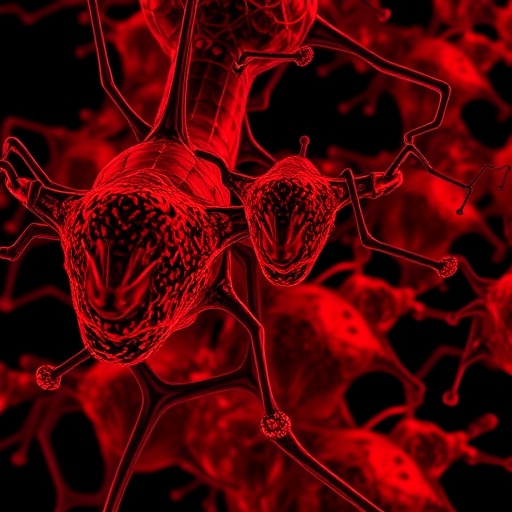
The dynamic interplay between regulated cell death and inflammatory liver diseases is garnering increased attention within the realms of hepatology and oncology. Recent studies have shed light on how the mechanisms underpinning cell death not only serve as a means of maintaining cellular homeostasis but also significantly influence the progression and severity of liver pathologies. The intricate processes involved in regulated necrosis, encompassing forms such as necroptosis, pyroptosis, and ferroptosis, have emerged as critical players in the pathophysiology of liver injury, highlighting a shift from traditional apoptosis-centric views.
In the context of liver inflammation and disease, the differential roles of regulated necrosis pathways are becoming clearer. As opposed to apoptosis, which is often a programmed form of cell death serving to eliminate damaged or unwanted cells quietly, necrotic pathways typically result in lytic cell death—inducing inflammation and exacerbating tissue damage. This lytic nature is particularly concerning in the setting of liver diseases, where inflammatory responses play a pivotal role in disease evolution, including acute liver injury and chronic liver conditions that can culminate in hepatocellular carcinoma.
At the cornerstone of these necrotic pathways lies a variety of key regulatory molecules that orchestrate cell death signaling. Among these, receptor-interacting protein kinase 1 (RIPK1) is pivotal in necroptosis, acting as a central switch that determines whether a cell will undergo programmed necrosis or apoptosis in response to specific stimuli. This kinase, along with additional factors such as MLKL (mixed lineage kinase domain-like pseudokinase), has been demonstrated to control cell fate decisions in various models of liver disease, accentuating the necessity of exploring these interactions further.
Pyroptosis, another form of regulated necrosis, is characterized by its inflammasome-mediated activation and subsequent cellular swelling, membrane rupture, and the release of pro-inflammatory cytokines. In liver diseases, particularly those associated with viral infections or bacterial insults, pyroptosis has been shown to amplify the inflammatory milieu, contributing to tissue damage and fibrosis. The specific roles played by NLRP3 and IL-1β in this context underscore the potential therapeutic targets for interventions aimed at modulating inflammatory responses in liver diseases.
Ferroptosis, the most recently identified pathway, distinguishes itself through its dependence on iron and lipid peroxidation. In liver injury, particularly during conditions of oxidative stress, ferroptosis can engender cell death that accelerates liver damage. Studies focusing on the contribution of ferritin and glutathione to the regulation of this pathway present a burgeoning area of research, suggesting that manipulating iron metabolism may afford protection against hepatocellular injury.
Despite the growing body of literature surrounding these regulated necrosis pathways, significant controversies and knowledge gaps remain, particularly concerning the relevance of these cell death modalities across different liver cell types. A notable area of uncertainty revolves around the specific contributions of hepatocytes versus non-parenchymal liver cells, such as Kupffer cells and hepatic stellate cells, to the overall pathophysiological landscape of liver disease. The divergent responses to cell death stimuli in these diverse cell populations warrant further investigation to elucidate their unique and combined contributions to liver pathology.
Moreover, the emerging mechanisms controlling these necrotic pathways are an essential focus for future research. The intersection of signaling cascades involving autophagy, inflammation, and metabolic regulation can provide insight into how hepatocellular resilience or vulnerability to injury is orchestrated at the molecular level. Investigating the integration of these pathways could reveal novel insights into potential therapeutic interventions aimed at modulating cell death in the context of liver disease.
Current efforts to modulate these regulated cell death pathways offer hope for innovative treatment approaches. For instance, targeting RIPK1 with specific inhibitors has demonstrated promise in preclinical models, aiming to selectively disrupt necroptosis while preserving beneficial apoptotic processes. Similarly, agents that inhibit pyroptosis or ferroptosis are under investigation, potentially leading to novel strategies for limiting hepatic inflammation and damage associated with various liver diseases.
Additionally, the potential of these approaches to elicit more potent antitumor immune responses further underscores their significance in the context of hepatocellular carcinoma. With the increasing prevalence of liver cancer worldwide, understanding how to manipulate necrosis pathways could not only slow disease progression but also enhance the efficacy of existing immunotherapeutic strategies.
As we continue to explore the complex biological ramifications of regulated necrosis in liver disease, it becomes imperative to address outstanding issues and methodological challenges in translating preclinical findings into therapeutic applications. Rigorous validation of results in clinical settings will be paramount to ensure that novel interventions achieve their desired outcomes without unintended consequences. Collaborative efforts among researchers, clinicians, and therapeutic developers will be crucial for bridging the gap between experimental discoveries and practical treatments in liver disease.
In sum, the evolving understanding of regulated cell death and its implications in inflammatory liver disease presents both challenges and opportunities. As we enhance our understanding of necroptosis, pyroptosis, and ferroptosis, the potential to design precise and effective therapeutic interventions to combat liver diseases—including cirrhosis and liver cancer—grows increasingly feasible. The time is ripe for further exploration into these pathways, promising the potential to revolutionize our approach to liver disease management in the coming years.
Cite Scienmag News
Nathaniel Bowman. (January 20, 2026). Necrosis: Linking Liver Inflammation to Cancer Progression. Scienmag. https://scienmag.com/necrosis-linking-liver-inflammation-to-cancer-progression/
Nathaniel Bowman. "Necrosis: Linking Liver Inflammation to Cancer Progression." Scienmag, 20 January 2026, https://scienmag.com/necrosis-linking-liver-inflammation-to-cancer-progression/. Accessed 3 September 2026.
Nathaniel Bowman. "Necrosis: Linking Liver Inflammation to Cancer Progression." Scienmag. January 20, 2026. https://scienmag.com/necrosis-linking-liver-inflammation-to-cancer-progression/


