


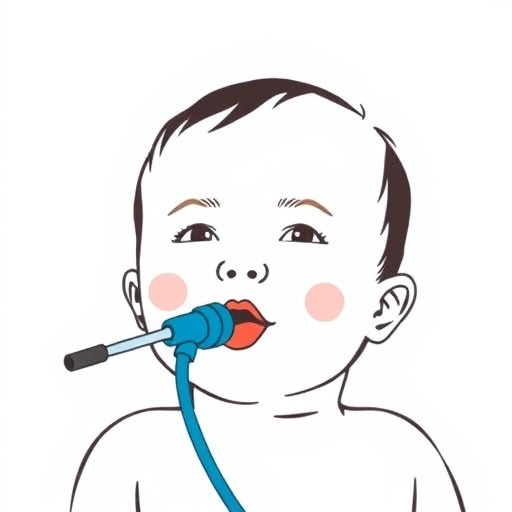
The field of gene therapy has seen significant advancements in recent years, particularly in the treatment of genetic disorders. Among these disorders, spinal muscular atrophy (SMA) stands out due to its devastating effects on young children. Research continues to explore the challenges and potential solutions associated with the treatment of SMA, especially in cases where children require tracheostomy. Early interventions have transformed the outlook for many affected children, but the complexities of treatment remain a focal point for researchers and clinicians alike.
Spinal muscular atrophy is characterized by the degeneration of motor neurons in the spinal cord, leading to progressive muscle weakness and atrophy. This condition can severely impact respiratory function, making tracheostomy a necessary intervention for some patients. The tracheostomy procedure allows for ventilatory support and oxygenation, enabling children with severe forms of SMA to survive and experience a semblance of normalcy. However, this life-saving measure also introduces a myriad of challenges, particularly in the context of ongoing treatment.
Researchers are increasingly focusing on the underlying mechanisms of SMA, specifically the role of the SMN1 gene, which is crucial for motor neuron survival. Advances in gene therapy, particularly the use of adeno-associated viruses (AAVs) to deliver functional copies of the SMN1 gene, have opened new avenues for treatment. These innovations are a beacon of hope; however, the variability in genetic mutations and individual responses to treatment complicate the landscape. Each child’s unique genetic profile necessitates a personalized approach to therapy, which can be both time-consuming and resource-intensive.
Additionally, the administration of gene therapy often encounters systemic barriers. For instance, access to cutting-edge treatments can be limited by healthcare policies, insurance coverage, and geographical disparities. Children who require tracheostomy frequently necessitate a coordinated care approach, involving multiple specialists. This not only amplifies the logistics of treatment but can also impede timely intervention, ultimately impacting the overall prognosis for these children.
As research progresses, the implementation of multidisciplinary care models is proving vital. Such models encourage collaboration among neurologists, pulmonologists, nutritionists, and rehabilitation specialists to provide comprehensive care tailored to the complex needs of children with SMA. Effective communication between healthcare providers and families enhances decision-making and ensures that patients receive the best possible care.
Current clinical trials are expanding the frontiers of therapy for SMA, testing the efficacy of new treatment modalities that do not solely hinge on genetic correction. For instance, innovative approaches that focus on enhancing the residual function of the SMN2 gene have demonstrated promise in preliminary studies. Such alternatives could ultimately provide treatment options for those who do not respond adequately to traditional gene therapy, thereby widening the pool of eligible patients.
Moreover, the psychological and emotional implications of living with SMA and the associated healthcare journeys cannot be overstated. Families often face the emotional strain of navigating a complex healthcare system while hoping for effective treatment options. Providing psychological support as part of the treatment process has emerged as a critical component of care, recognizing the biopsychosocial model of health that underscores the interplay between biology, psychology, and social context.
In summary, while the horizon looks promising for children with spinal muscular atrophy, particularly those with complex needs like tracheostomy, significant hurdles remain. The convergence of advanced gene therapies, the need for multidisciplinary approaches, and the commitment to ongoing research are crucial elements that will shape the future of treatment. The scientific community remains adamant that, despite the challenges, innovative solutions will continue to emerge, fostering hope and improving outcomes for these vulnerable patients.
Although immense progress has been achieved in the fight against SMA, the journey is far from over. Continuous dialogue between industry stakeholders, regulatory bodies, and patient advocacy groups is paramount to ensure that advancements in science translate into accessible and effective treatments for all affected families. It is vital to maintain momentum, investing in research and facilitating collaboration across disciplines to navigate the complexities of SMA and its treatment landscape.
Finally, the hope remains that future therapies will not only enhance quality of life but also provide a cure for this debilitating disease, allowing children to thrive and reach their maximum potential—a testament to the relentless spirit of scientific inquiry and human resilience.
Erbas, Y., Finkel, R.S. Ad astra per aspera: treatment challenges and opportunities for children with spinal muscular atrophy and tracheostomy.
Gene Ther (2025). https://doi.org/10.1038/s41434-025-00581-2
Cite Scienmag News
Ophelia Keating. (November 25, 2025). Navigating SMA and Tracheostomy: Challenges and Solutions. Scienmag. https://scienmag.com/navigating-sma-and-tracheostomy-challenges-and-solutions/
Ophelia Keating. "Navigating SMA and Tracheostomy: Challenges and Solutions." Scienmag, 25 November 2025, https://scienmag.com/navigating-sma-and-tracheostomy-challenges-and-solutions/. Accessed 4 September 2026.
Ophelia Keating. "Navigating SMA and Tracheostomy: Challenges and Solutions." Scienmag. November 25, 2025. https://scienmag.com/navigating-sma-and-tracheostomy-challenges-and-solutions/


