


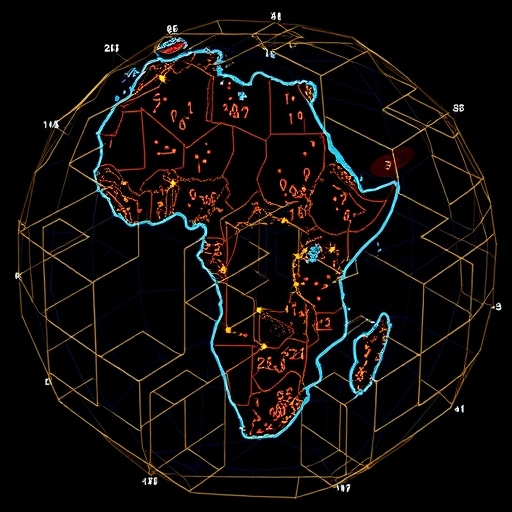
Motor neuron disease (MND) comprises a complex group of neurodegenerative conditions marked by the progressive breakdown and eventual death of motor neurons—cells critical for muscle control. Among these disorders, amyotrophic lateral sclerosis (ALS) stands as the most prevalent, distinctively featuring the deterioration of both upper and lower motor neurons. Clinically, ALS can manifest with symptoms localized to the bulbar region, impacting speech and swallowing, or present asymmetrically in a limb, affecting motor function unilaterally at onset. The disease trajectory evolves relentlessly over several months, culminating typically in respiratory failure that causes death within an average span of two to five years after symptoms first appear.
Despite this devastating prognosis, the body of knowledge around MND, particularly within the African continent, remains remarkably sparse. This gap represents a significant challenge, given the region’s unique demographic and epidemiological profile. Africa’s population experiences a relatively low average life expectancy, which might influence observed patterns of disease presentation and incidence. Intriguingly, reports indicate an apparent earlier onset of MND symptoms in African cohorts compared to global data, coupled with a noticeably reduced incidence rate. These observations raise questions about the true epidemiology of MND in Africa and the potential influence of environmental and genetic factors that might differ from those in better-studied populations.
A critical point of focus in African MND research is the intersection with the region’s ongoing HIV epidemic. Given the known neurological complications associated with HIV infection, scientists have explored potential associations between HIV and ALS. Although isolated reports have suggested overlaps, comprehensive evidence supporting a definitive link remains elusive. Differentiating true ALS cases from HIV-related motor neuron complications is complicated by the presence of ALS mimics—disorders that resemble ALS clinically but stem from different underlying pathologies. Such mimics may include conditions like tropical spastic paraparesis or nutritional neuropathies, which are more prevalent or uniquely observed in the African context.
Genetic studies into MND in Africa are significantly underrepresented in the scientific literature. Investigations into well-established genetic mutations known to cause familial ALS in non-African populations have been limited, if undertaken at all, by resource constraints and logistical challenges. This lack of data impedes understanding whether unique genetic variants exist in African populations that could influence disease susceptibility, progression, or response to treatments. It also hinders the application of emerging precision medicine approaches that rely on genetic profiling to tailor interventions.
Another layer of complexity faced by people living with MND in Africa is the scarcity of cognitive and behavioral studies. While it is recognized that ALS can involve cognitive impairment and frontotemporal dementia in other parts of the world, these neuropsychological features are barely documented in African patients. This gap may result from limited diagnostic infrastructure, lack of awareness among clinicians, or socio-cultural factors affecting the recognition and reporting of such symptoms. Understanding the full spectrum of ALS manifestations is vital for holistic patient care and to guide family counseling and anticipatory management.
Healthcare access remains a formidable barrier to effective MND management in Africa. Most patients have limited entry to multidisciplinary clinics that integrate neurology, physiotherapy, speech therapy, nutrition, and psychological support—the gold-standard approach internationally. Advanced therapies, including riluzole and edaravone, which modestly slow disease progression, are often unavailable or prohibitively expensive in many parts of the continent. Furthermore, respiratory support technologies such as non-invasive ventilation, crucial for extending survival and quality of life, are scarcely accessible.
Palliative care services geared towards symptom relief and psychosocial support represent another significant gap. The complex symptom burden of MND—ranging from debilitating muscle weakness to fatigue, emotional distress, and communication difficulties—requires comprehensive care strategies that prioritize patient comfort and dignity. However, such services are in their infancy across large regions of Africa, compounded by limited training of healthcare workers and inadequate healthcare infrastructure.
Efforts to address these multifaceted challenges have begun to coalesce around initiatives like the ALS Africa Network, aiming to transform the landscape of MND research and care on the continent. This collaborative platform connects clinicians, researchers, and patient advocacy groups to improve epidemiological data collection, promote genetic studies, enhance clinical training, and facilitate access to therapies. By fostering regional collaboration and engaging the global scientific community, the network seeks to create sustainable improvements in the lives of African people living with MND.
The network also prioritizes capacity building through education and training programs tailored to the unique challenges present in African health systems. Through these initiatives, healthcare professionals can gain expertise in early diagnosis, differential diagnosis with ALS mimics, and implementation of multidisciplinary care models adapted to resource-limited settings.
One of the network’s critical aims is to elucidate the epidemiology of MND within Africa using rigorously designed population studies. Such data will establish accurate incidence and prevalence rates, clarify age and sex distribution patterns, and identify environmental risk factors specific to the continent. This knowledge base is essential for optimizing healthcare policy and allocating limited resources effectively.
In parallel, genetic research under the ALS Africa Network is beginning to explore the prevalence of known ALS-associated gene mutations and the possibility of novel variants within African populations. Early results suggest a complex genetic architecture that may differ substantially from that in Caucasian or Asian cohorts. These findings could have far-reaching implications for understanding disease mechanisms and identifying new therapeutic targets.
Investigations into the cognitive and behavioral aspects of MND are gradually gaining traction, integrating neuropsychological testing into routine clinical evaluations in specialized centers. This approach will help reveal the extent and nature of cognitive changes in African ALS patients, enabling more comprehensive disease management strategies and informing caregivers about expected disease progression.
Despite these promising developments, major hurdles persist, including underfunding of research, insufficient data infrastructure, stigma surrounding neurodegenerative diseases, and the overarching public health burden of infectious diseases that compete for attention and resources. Overcoming these obstacles will require sustained commitment from governments, international agencies, and the scientific community.
The ongoing public health challenges in Africa, like the HIV epidemic and the impact of emerging infections, underscore the need for integrated approaches to neurological disorders. Interdisciplinary research combining neurology, infectious disease, genetics, and social medicine promises richer insights into how complex factors intersect to shape MND epidemiology and patient outcomes in the region.
Ultimately, the story of motor neuron disease in Africa is one of immense scientific and humanitarian opportunity. By illuminating the continent’s unique disease patterns, genetic profiles, and care needs, researchers and clinicians can pave the way toward tailored interventions that improve survival and quality of life for countless individuals. The pioneering work led by the ALS Africa Network exemplifies the transformative potential of coordinated, regionally focused efforts to tackle neurodegenerative diseases in traditionally understudied populations.
The path ahead involves leveraging advances in molecular biology, genomics, and clinical neurology, alongside strengthening health systems and advocacy movements, to reshape the narrative of MND in Africa from one of neglect to one of innovation and hope. Such progress not only benefits African populations but enriches global understanding of motor neuron disease and underscores the universal imperative to address neurodegeneration in all its diverse forms.
Cite Scienmag News
Cassandra Pierce. (May 26, 2026). Motor Neuron Disease in Africa: Literature Review. Scienmag. https://scienmag.com/motor-neuron-disease-in-africa-literature-review/
Cassandra Pierce. "Motor Neuron Disease in Africa: Literature Review." Scienmag, 26 May 2026, https://scienmag.com/motor-neuron-disease-in-africa-literature-review/. Accessed 4 September 2026.
Cassandra Pierce. "Motor Neuron Disease in Africa: Literature Review." Scienmag. May 26, 2026. https://scienmag.com/motor-neuron-disease-in-africa-literature-review/


