


In a groundbreaking discovery that challenges long-standing biological principles, researchers at Montana State University have identified a cellular mechanism that enables the synthesis of the amino acid cysteine in mammalian cells, even when the primary cellular pathways responsible for its production are inactive. This finding, published in the prestigious journal Nature Chemical Biology, unveils a hitherto unknown biological process with promising implications for future cancer therapies.
The amino acid cysteine plays an indispensable role in cellular physiology, acting as a building block for proteins and serving as a critical agent in the protection of cells against oxidative damage. Traditionally, scientists have understood that cysteine cannot be directly absorbed from the extracellular environment; instead, cells rely on a system known as the disulfide reductase pathway to convert cystine—an oxidized dimeric form of cysteine—into usable cysteine. This process hinges on the activity of specific enzymes called disulfide reductases, which chemically cleave cystine’s disulfide bond to maintain cellular cysteine pools essential for survival and homeostasis.
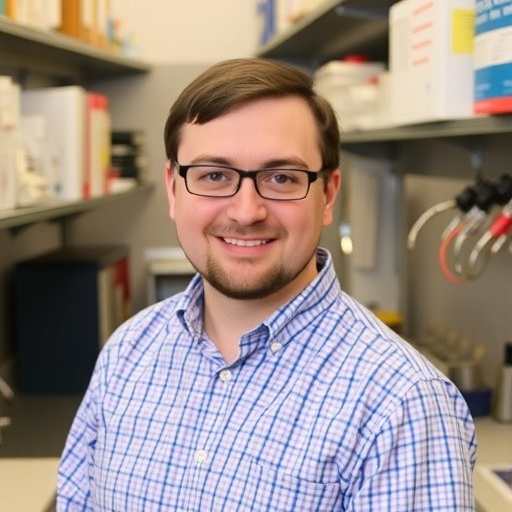
For decades, this biochemical paradigm was considered inviolable. The assumption was that cells devoid of either disulfide reductase enzyme could not survive due to their inability to maintain intracellular cysteine concentrations. This dogma was first seriously challenged in 2014 when Dr. Ed Schmidt, a geneticist specializing in molecular biology at Montana State University, observed an anomalous phenotype in genetically engineered mice. These mice, designed to lack either of the two primary disulfide reductases in their liver cells, nonetheless survived, contradicting the established scientific consensus that their survival was biochemically implausible.
Dr. Schmidt and his research team embarked on a multi-year investigation to decipher the molecular basis behind this unexpected resilience. Partnering with collaborators from the Hungarian National Institute of Oncology, who contributed advanced analytical instrumentation, the team gradually elucidated a secondary biochemical pathway that compensates for the loss of classical disulfide reductase activity. This backup mechanism chemically targets and severs a carbon-sulfur (C–S) bond adjacent to the cystine molecule’s disulfide linkage. The cleavage process releases free cysteine, ensuring a continuous supply despite the absence of canonical enzymatic reductases.
This discovery not only redefines fundamental concepts in cellular metabolism but also hints at an evolutionary adaptive strategy. It suggests that ancestral multicellular organisms may have developed this alternate cysteine biosynthesis route to survive in environments laden with electrophilic toxins—reactive organic compounds that organisms produce to deter predators or competitors. The newfound backup system could have endowed early life forms with robust cellular defenses capable of neutralizing these harmful molecules, thereby promoting survival under toxic stress conditions.
Crucially, the implications of this biological redundancy extend into the realm of cancer biology. Many malignancies are characterized by elevated oxidative stress and a heightened need for antioxidant defenses, such as those mediated by cysteine. Dr. Schmidt posits that this secondary cysteine-producing pathway may inadvertently empower certain cancer cells to resist conventional treatments like chemotherapy, radiation, and emerging immunotherapies. Tumor cells exploiting this hidden metabolic circuit could maintain their cysteine reservoirs under chemotherapeutic assault, contributing to treatment resistance and relapse.
Understanding the molecular details of this alternative cysteine synthesis pathway thus opens the possibility of developing targeted inhibitors that selectively disrupt this backup system in cancer cells. By doing so, researchers aim to sensitize tumors to existing therapies, enhancing their efficacy and potentially reducing required dosages, thereby mitigating treatment-related toxicity. The strategic manipulation of metabolic vulnerabilities stands as a promising frontier in precision oncology, offering hope for more effective cancer management.
The journey toward this breakthrough encompassed nearly a decade of meticulous experimentation. After genetically abolishing the canonical disulfide reductases in murine models, Dr. Schmidt’s group employed a combination of gene expression analysis, biochemical assays, and metabolite profiling to reveal the enzymatic and chemical underpinnings of the alternative pathway. Undergraduate students who contributed as co-authors gained invaluable hands-on experience in advanced genetic manipulation and analytical biochemistry, embodying the collaborative spirit of modern scientific research.
Dr. Schmidt’s work, conducted within the Department of Microbiology and Cell Biology at Montana State University’s College of Agriculture, exemplifies how fundamental research into molecular and cellular processes can yield insights with far-reaching translational potential. The research was further bolstered by the integration of multidisciplinary expertise, combining genetics, enzymology, and oncology, which was pivotal in uncovering the nuanced interactions underlying cysteine biosynthesis.
Moreover, this discovery underscores the dynamic plasticity of cellular metabolism and highlights how cells possess enigmatic strategies to maintain homeostasis under genetic or environmental duress. It challenges the notion of metabolic inflexibility and suggests that cellular biochemistry is wired for resilience, equipped with backup systems that are only revealed under specific stress conditions or genetic perturbations.
Looking ahead, the team aims to explore the prevalence and regulation of this backup cysteine synthesis mechanism in human tissues and cancer models. Deciphering whether certain cancer types rely disproportionately on this pathway could inform the design of novel therapeutic interventions that selectively target tumor cell metabolism without compromising normal cells.
Such a paradigm-shifting advancement in our understanding of amino acid metabolism not only redefines textbook biology but also provides a platform for innovative approaches to combat diseases characterized by oxidative stress and metabolic maladaptation, particularly cancer. As this exciting field of research unfolds, it promises to deepen our comprehension of cellular survival strategies and offer tangible benefits for human health.
News Publication Date: 21-May-2026
Cite Scienmag News
Nathaniel Bowman. (June 12, 2026). Montana State Scientist Uncovers Key Cellular Mechanism with Potential to Advance Cancer Therapies. Scienmag. https://scienmag.com/montana-state-scientist-uncovers-key-cellular-mechanism-with-potential-to-advance-cancer-therapies/
Nathaniel Bowman. "Montana State Scientist Uncovers Key Cellular Mechanism with Potential to Advance Cancer Therapies." Scienmag, 12 June 2026, https://scienmag.com/montana-state-scientist-uncovers-key-cellular-mechanism-with-potential-to-advance-cancer-therapies/. Accessed 3 September 2026.
Nathaniel Bowman. "Montana State Scientist Uncovers Key Cellular Mechanism with Potential to Advance Cancer Therapies." Scienmag. June 12, 2026. https://scienmag.com/montana-state-scientist-uncovers-key-cellular-mechanism-with-potential-to-advance-cancer-therapies/


