


Recent archaeological research has unveiled groundbreaking insights into the complex social structures of the Middle Neolithic period in Europe. A team of researchers comprising Goude, Villotte, and Salazar-García, among others, has meticulously analyzed a myriad of archaeological findings, incorporating various proxy evidence to illuminate the nuances of social hierarchy during a pivotal time in human history. The depth of these findings not only enriches our understanding of social dynamics in ancient societies but also challenges conventional narratives surrounding prehistoric life.
The research centers on the Middle Neolithic period, a time marked by the development of settled agricultural communities across Europe. This specific era, which dates back to approximately 4500 to 3500 BCE, was characterized by significant advancements in farming techniques, which fundamentally altered human lifestyles and social interactions. What distinguishes this study is its multiproxy methodology, which integrates various forms of evidence—including genetic, anthropological, and archaeological data—to paint a comprehensive picture of social stratification in this fascinating historical context.
One of the key findings of this research is the identification of exceptional heterogeneity in social status among Neolithic communities. Contrary to the prevailing view of egalitarian societies during this period, the evidence suggests the existence of distinct social hierarchies that favored certain individuals or groups over others. This revelation prompts us to reconsider the socio-political structures that may have existed, as well as the implications of such stratification for community cohesion and development.
The researchers utilized advanced analytical techniques to evaluate artifacts, burial sites, and human remains, drawing connections between material culture and social stratification. For instance, the presence of grave goods—objects placed in burial sites—was meticulously cataloged and analyzed. It was found that some individuals were interred with an abundance of items, indicative of high social standing, while others were laid to rest with minimal belongings, suggesting a lower status. Such disparities in burial practices provide compelling evidence of social stratification and merit further investigation.
Moreover, the deployment of isotopic analysis allowed the researchers to glean insights into dietary differences among social classes. By examining the isotopic signatures in human bones and teeth, the team was able to ascertain variations in nutrition, which correlate closely with social status. Those of higher social standing often had access to a more diverse diet, likely comprising higher quality proteins and carbohydrates, while lower-status individuals seemed to rely on more basic sustenance. This nutritional disparity could have reinforced existing social hierarchies and influenced interpersonal relationships within Neolithic communities.
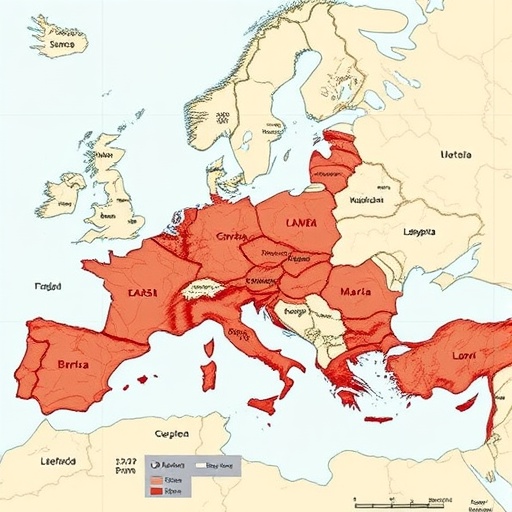
Another illuminating aspect of the study is its emphasis on regional differences in social organization. By comparing findings from various archaeological sites across Europe, the researchers revealed that while some regions exhibited pronounced social stratification, others maintained a more egalitarian approach. These variations underscore the likelihood that social dynamics were not uniform but were instead influenced by factors such as environment, available resources, and cultural practices specific to each community.
The implications of these findings extend beyond mere academic interest; they resonate with contemporary discussions about inequality and social stratification. By understanding how ancient societies navigated issues of social hierarchy, we can gain valuable insights into the enduring nature of these challenges throughout human history. This research invites a reevaluation of how we perceive ancient cultures and encourages dialogue surrounding the often-overlooked complexities of Neolithic life.
In addition to shedding light on social structures, the study also raises questions about the roles of gender and power in Neolithic societies. The analysis of burial sites revealed stark gender divisions in grave goods and status, prompting researchers to explore the roles of men and women within these communities. The findings suggest that while certain social roles may have been predominantly associated with one gender, power dynamics were likely more fluid and nuanced than previously thought.
Future archaeological work, as suggested by the research team, should focus not only on the elite figures of Neolithic society but also on the lives of everyday individuals. This broader approach could provide a more holistic understanding of social dynamics and the experiences of those who did not fit within traditional power structures. The potential for interdisciplinary collaboration—between archaeology, anthropology, and even sociology—could yield further revelations about human societies during this transformative period.
As the study of the Middle Neolithic continues, researchers are encouraged to adopt inquisitive methodologies and apply technologically advanced techniques to understand better the complexities of ancient life. The use of artificial intelligence and machine learning, for example, is an exciting prospect in the analysis of archaeological data and could help illuminate patterns previously obscured by task complexity.
In conclusion, the research conducted by Goude, Villotte, Salazar-García, and their colleagues offers rich, multifaceted insights into the social dynamics of the Middle Neolithic in Europe. By embracing a multiproxy approach, the team has not only unveiled the exceptional heterogeneity of social status but also opened avenues for future explorations that could further enrich our comprehension of Neolithic societies and the myriad factors that shaped human interactions during this formative era.
This groundbreaking work serves as a reminder of the complexity of ancient societies; it challenges long-held assumptions and encourages a deeper exploration of social hierarchies, cultural practices, and human relationships. The blending of archaeological evidence with contemporary analytical techniques promises to usher in a new era of understanding concerning social stratification in human history.
As we continue to investigate these ancient societies, we are reminded that the lessons of the past can inform present-day discussions about inequality, power dynamics, and the fundamental nature of human interaction. The insights derived from this research will undoubtedly stimulate further inquiry, spurring us to look back at our ancestors with renewed curiosity and intent.
Cite Scienmag News
Courtney Benton. (November 13, 2025). Middle Neolithic Europe: Diverse Social Status Revealed. Scienmag. https://scienmag.com/middle-neolithic-europe-diverse-social-status-revealed/
Courtney Benton. "Middle Neolithic Europe: Diverse Social Status Revealed." Scienmag, 13 November 2025, https://scienmag.com/middle-neolithic-europe-diverse-social-status-revealed/. Accessed 3 September 2026.
Courtney Benton. "Middle Neolithic Europe: Diverse Social Status Revealed." Scienmag. November 13, 2025. https://scienmag.com/middle-neolithic-europe-diverse-social-status-revealed/


