

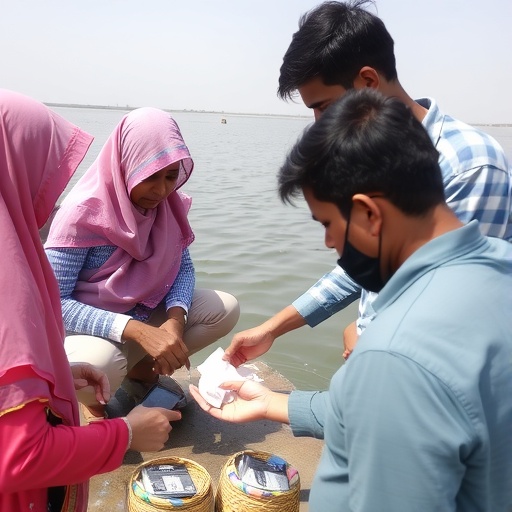
In an alarming discovery that highlights the growing concern of environmental pollution, a recent study has shed light on the pervasive issue of microplastic contamination in Rawal Lake. Conducted by a team of researchers led by A.B. Tabinda, the findings not only unveil the shocking levels of microplastics in this crucial water body but also offer insights into effective treatment strategies across various environmental compartments. The implications of this research could resonate far beyond the lake itself, calling for urgent action in addressing the global crisis of plastic pollution.
Rawal Lake, a significant reservoir located near Islamabad, Pakistan, serves not only as a source of drinking water but also as a critical habitat for diverse aquatic life. However, as urbanization and industrial activities continue to escalate, the introduction of microplastics into this ecosystem has raised grave concerns among environmental scientists and policymakers alike. The research conducted by Tabinda and her team aims to quantify the extent of microplastic pollution in Rawal Lake and explore its potential impacts on both the environment and public health.
Microplastics, defined as plastic particles less than five millimeters in diameter, have become ubiquitous in aquatic systems worldwide. Their small size allows them to be easily ingested by marine organisms, leading to a range of detrimental effects, including physical harm, toxicological impacts, and the bioaccumulation of harmful substances in the food web. The researchers employed a comprehensive assessment methodology, examining water samples, sediment, and biota within Rawal Lake to determine the concentration and distribution of microplastics across different environmental compartments.
The findings of the study are startling. The researchers identified a wide variety of microplastic types, including polypropylene, polyethylene, and polystyrene, among others. These materials were found at alarming concentrations, indicating an urgent need for monitoring and management strategies to mitigate their prevalence. The spatial distribution patterns of microplastics within the lake also highlighted areas of particular concern, underscoring the relationship between human activities and pollution hotspots.
In addition to quantifying the extent of microplastic pollution, the researchers also focused on identifying effective treatment strategies to address this pressing issue. The study explored various methods, including the use of natural adsorption materials, filtration techniques, and bioremediation approaches to minimize microplastic contamination in the lake’s ecosystem. The results indicate that certain treatment strategies may yield promising outcomes, providing a potential roadmap for policymakers and environmental managers striving to enhance the water quality of Rawal Lake.
Furthermore, the research emphasizes the need for greater public awareness and community involvement in combating plastic pollution. Engaging local communities and stakeholders in conservation initiatives can foster a sense of responsibility towards the environment and encourage collective action to reduce plastic waste. Educational programs and awareness campaigns can play a crucial role in disseminating information about the detrimental effects of plastic pollution and promoting sustainable practices.
The implications of this study extend beyond the shores of Rawal Lake. The global crisis of plastic pollution requires a concerted effort from governments, industries, and individuals alike. Policymakers are urged to implement stricter regulations governing plastic production and disposal, while industries must prioritize sustainable alternatives and innovate new materials that minimize environmental impact. Additionally, individuals can contribute by reducing single-use plastics and supporting initiatives aimed at cleaning up polluted waterways.
In summary, the research conducted by Tabinda and her team shines a much-needed light on the issue of microplastic pollution in Rawal Lake, highlighting the urgent necessity for assessment, treatment, and community engagement. As microplastics continue to infiltrate aquatic ecosystems worldwide, this study serves as a clarion call for immediate action to address one of the most pressing environmental challenges of our time. The future health of our planet and its precious water resources depend on our collective efforts to combat plastic pollution and protect the delicate balance of our ecosystems.
The study also opens the door for further research into the long-term effects of microplastic contamination on aquatic life and human health. Understanding the potential consequences of microplastics will be essential in informing future management strategies and ensuring the protection of biodiversity. The researchers hope that their findings will inspire additional studies in other water bodies facing similar challenges, paving the way for a broader understanding of microplastic pollution on a global scale.
As we move forward, collaboration among scientists, environmental organizations, and the public will be vital in tackling the multifaceted issue of plastic pollution. By sharing knowledge, resources, and innovative solutions, we can build a more resilient and sustainable future for our water bodies and the life they support. The journey toward cleaner waters begins with a commitment to understanding and addressing the implications of our plastic consumption habits.
In sum, the unveiling of microplastic pollution in Rawal Lake is not just a localized issue but a reflection of a global environmental crisis that demands our attention and urgency. It is imperative that all stakeholders recognize the gravity of this situation and join forces to implement effective strategies that will lead to a healthier, more sustainable marine environment for generations to come.
Subject of Research: Microplastic pollution in Rawal Lake
Article Title: Unveiling microplastic pollution in Rawal Lake: Assessment and treatment in different environmental compartments.
Article References:
Tabinda, A.B., Masood, R., Javed, R. et al. Unveiling microplastic pollution in Rawal Lake: Assessment and treatment in different environmental compartments.
Environ Sci Pollut Res (2025). https://doi.org/10.1007/s11356-025-37290-7
Image Credits: AI Generated
DOI: https://doi.org/10.1007/s11356-025-37290-7
Keywords: Microplastic pollution, Rawal Lake, environmental compartments, water quality, treatment strategies.


