

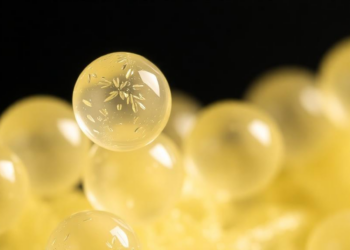
Chitosan-MOF Hydrogel Beads Capture Polystyrene Microplastics in Under an Hour
Researchers have developed recoverable chitosan-based hydrogel beads embedded with a zirconium metal-organic framework and reduced graphene oxide that remove nearly ...
Researchers have developed recoverable chitosan-based hydrogel beads embedded with a zirconium metal-organic framework and reduced graphene oxide that remove nearly ...
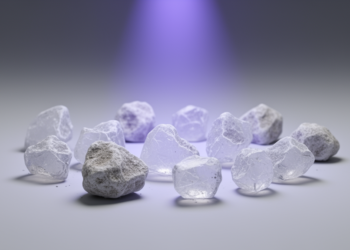
A controlled thin-film experiment shows that TiO2/Fe3O4 composites drive UV-driven oxidation of polystyrene microplastics primarily at the particle surface, leaving ...
Microplastics have become one of the most stubborn pollution problems of our time, turning up everywhere from wastewater effluents to ...

A University of the South Pacific study has confirmed that drainage channels around industrial sites on Fiji's Viti Levu carry ...

Researchers at China Agricultural University developed a biodegradable mulch film made from cow manure that sustains silage maize yields with ...

Laboratory flume experiments reveal that air bubble barriers strongly retain large buoyant microplastics but allow small, dense particles to pass ...
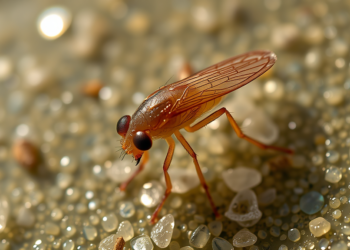
Brazilian researchers show that sunlight-weathered polyethylene microplastics become more damaging to the reproduction of Daphnia similis, while the insecticide imidacloprid ...

Microplastics have long been framed as one of the defining pollution problems of the modern era, a ubiquitous haze of ...

Microplastics are no longer a distant environmental problem confined to oceans and landfill sites. They are moving through the global ...

Plastic agricultural films (PAFs) are a quiet workhorse of modern farming, but new research warns they are also quietly reshaping ...


Embark on a thrilling journey of discovery with Scienmag.com—your ultimate source for cutting-edge breakthroughs. Immerse yourself in a world where curiosity knows no limits and tomorrow’s possibilities become today’s reality!