


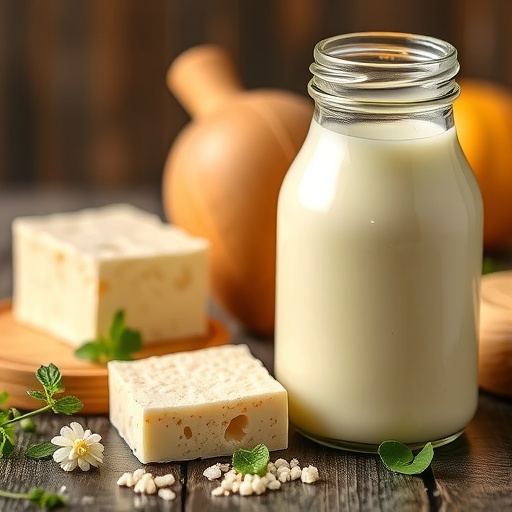
The modern exploration of microbiomes is yielding exciting insights into the intricate mechanisms behind traditional fermented foods, specifically the case of Berbassa and its role in Gergoush production. Within the realms of fermented dairy products, the unique flavor profiles shape the sensory experiences and nutritional qualities, potentially revolutionizing how we perceive and consume these staples. Berbassa, a traditional milk starter, has been the subject of recent research, highlighting the microbiome’s impact on flavor development during fermentation processes.
In this ongoing study, researchers from various disciplines converge to dissect the complexities of microbiota involved in Berbassa. By employing genetic sequencing and microbial analysis, the team seeks to unveil the diverse communities of bacteria that thrive in this fermented matrix. The intricate interactions occurring within the ecosystem of Berbassa present a rich tapestry of microbial life, each contributing to the final flavor signature of Gergoush.
Understanding the roles of these microorganisms unlocks opportunities for innovation in the culinary world. Fermented foods have longstanding cultural significance and, with this research, there is a chance to fully appreciate the artistry behind their creation. The research underscores the idea that flavor is not merely a product of ingredients but is influenced profoundly by the microbial inhabitants. This paradigm shift encourages consumers and producers alike to view traditional foods through a scientific lens.
Among the many findings, specific bacteria have shown strong correlations with desirable flavor components. Lactobacillus species, for instance, are renowned for their ability to produce lactic acid, which not only enhances tanginess but also acts as a natural preservative in dairy products. Such insights could prove invaluable in setting standards for fermentation in commercial settings, ensuring that quality and safety are paramount while retaining authentic flavor profiles.
Additionally, the emergence of specific microbial strains that contribute to the aroma compounds essential to Gergoush marks a pivotal insight for flavor chemists. The volatile compounds produced during fermentation create the highly sought-after sensory experiences that characterize this delicacy. As researchers identify and isolate these strains, there exists potential for cultivating superior starters that could transform home and commercial production of not just Gergoush but various artisanal cheeses as well.
The fermentation process is, indeed, an art form rooted in science. By harnessing the capabilities of local microflora through strategic fermentation, producers can create distinctive flavors that reflect cultural narratives. The study emphasizes that Berbassa is not merely a vessel for milk transformation; rather, it is an active participant whose microbial inhabitants dictate much of the flavor journey. This revelation elevates traditional practices, encouraging renewed interest in artisanal food production.
As more producers turn to craft fermentation, the implications of these research findings will likely resonate throughout the food industry. A deeper understanding of the effects of microbial diversity on flavor development can empower artisans to refine their techniques. It will also give consumers a newfound appreciation for the complexities and nuances that traditional practices offer, bridging gaps between contemporary culinary trends and historical insights.
More broadly, this research intersects with ongoing discussions around food sustainability. By fostering unique microbiomes within local ecosystems, producers may enhance not only flavor but also nutrient density. Consumers today are increasingly seeking foods that provide health benefits, and fermented products historically pack enzymes, vitamins, and probiotics that contribute to gut health. Therefore, informing producers about microbiome interactions may bolster product appeal and marketability as health-conscious options.
However, this complexity does not come without its challenges. As researchers delve deeper into the interactions among microorganisms, they also confront the potential for pathogenic bacteria to thrive in similar environments. Thus, the balance between nurturing beneficial microbial populations while discouraging harmful ones becomes a key focus of ongoing studies. It opens a dialogue on safety regulations concerning fermented foods and the necessary precautions that producers must implement.
Moreover, the ability of different strains to withstand varying fermentation conditions poses another layer of intrigue. Factors such as temperature, pH, and substrate availability can dramatically influence microbial activity and, subsequently, flavor outcomes. Understanding these dynamics can lead to optimization strategies that tailor fermentation processes in alignment with both desired flavor outcomes and safety standards.
The implications of this research reach far beyond the production of Gergoush. They touch on the broader themes of globalization and cultural preservation in an ever-connected food landscape. As interest in traditional fermented products spreads globally, there is a pressing need for sustainable practices that honor the heritage and diversity of food. This work aims to not only safeguard but also enhance artisanal knowledge, ensuring that vital techniques remain relevant and appreciated.
Furthermore, as scientists and food technologists work together, the collaborative nature of this research offers promising pathways for education and community engagement. Workshops and courses rooted in the science of fermentation could serve as vehicles for sharing knowledge and encouraging hands-on learning. By demystifying the fermentation process, producers can cultivate a new generation of culinary enthusiasts who value both art and science in food production.
Ultimately, the intersection of microbiomics and traditional food production shines a light on the importance of collaboration across disciplines. The integration of food science, microbiology, and cultural studies creates a richer understanding of how flavors evolve in fermented products like Gergoush. As researchers continue to innovate and inspire, they contribute to a legacy that not only celebrates traditional practices but also pioneers new possibilities for flavor enhancement and food sustainability.
In conclusion, the research on microbiome-mediated flavor development in Berbassa goes beyond merely uncovering the secrets behind a beloved traditional dish. It represents a collective endeavor to bridge the past and the future of food production, and it challenges us all to rethink the stories that flavors tell. By recognizing the crucial role microorganisms play in our diets, we expand our culinary horizons and foster a more profound appreciation for the myriad flavors that come from nature’s invisible architects.
Eltigani, S.A., Taniguchi, T., Ishihara, A. et al. Microbiome-mediated flavor development in Berbassa: a traditional fermented milk starter for Gergoush production.
Int Microbiol (2025). https://doi.org/10.1007/s10123-025-00665-4
Cite Scienmag News
Morgan Morrow. (August 6, 2025). Microbiome Enhances Flavor in Berbassa Fermented Milk. Scienmag. https://scienmag.com/microbiome-enhances-flavor-in-berbassa-fermented-milk/
Morgan Morrow. "Microbiome Enhances Flavor in Berbassa Fermented Milk." Scienmag, 6 August 2025, https://scienmag.com/microbiome-enhances-flavor-in-berbassa-fermented-milk/. Accessed 4 September 2026.
Morgan Morrow. "Microbiome Enhances Flavor in Berbassa Fermented Milk." Scienmag. August 6, 2025. https://scienmag.com/microbiome-enhances-flavor-in-berbassa-fermented-milk/


