


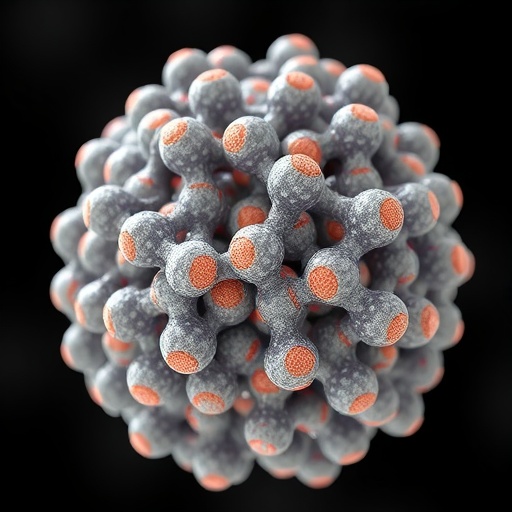
Recent advancements in nanotechnology have opened new frontiers in the battle against glioblastoma, one of the most aggressive types of brain cancer. Researchers have been exploring a biodegradable and biocompatible material known as mesoporous silica nanoparticles (MSNs). These nanoparticles have emerged as compelling candidates for targeted drug delivery and precision diagnostics, offering hope in the quest for effective therapies against this challenging malignancy.
The utilization of mesoporous silica nanoparticles holds great promise owing to their unique structural characteristics. With high surface areas, tunable pore sizes, and the ability to encapsulate therapeutic agents, MSNs can be designed at the nanoscale to perform specific functions. This versatility allows them to serve as carriers for chemotherapeutic drugs and imaging agents, thus enhancing the localization and potency of treatments while minimizing side effects associated with conventional therapies.
One of the critical challenges in glioblastoma treatment is the blood-brain barrier (BBB), a formidable protective shield that prevents many therapeutic agents from reaching the tumor site. However, researchers are engineering MSNs with surface modifications that can facilitate the crossing of this barrier. By attaching ligands or antibodies to the MSN surface, targeted drug delivery systems can be developed that selectively bind to glioblastoma cells, sparing healthy brain tissue and enhancing therapeutic efficacy.
The design of these smart nano-platforms is not purely mechanical; it also involves biological strategies. For instance, using ligands that specifically target markers overexpressed on glioblastoma cells, scientists can direct the mesoporous silica nanoparticles to their intended destination. This targeted approach can warrant significantly increased treatment effectiveness while reducing systemic toxicity, addressing one of the principal limitations of conventional chemotherapy.
Moreover, the loading capacity of MSNs allows for the co-delivery of multiple therapeutic agents, which can be particularly beneficial in glioblastoma treatment. The ability to encapsulate a combination of chemotherapeutic drugs, RNA molecules, or immunotherapeutic agents within the same nanoparticle can contribute to a synergistic effect, potentially overcoming the well-known issue of chemoresistance often encountered in glioblastoma therapies.
Beyond delivering medications, MSNs are being investigated for their potential in precision diagnosis. The design of nanoparticles can incorporate imaging agents that facilitate real-time tracking of the treatment’s efficacy. Advanced imaging techniques, such as magnetic resonance imaging (MRI) or fluorescence imaging, when combined with MSNs, can enable clinicians to visualize tumor responses during therapy, paving the way for adaptive treatment strategies based on real-time patient responses.
Further investigation into the biodegradability of mesoporous silica nanoparticles suggests that after fulfilling their therapeutic role, these nanocarriers can break down into non-toxic byproducts, thereby reducing the risk of long-term accumulation in the body. This property aligns with the increasing demand for eco-friendly and sustainable approaches in the field of medicine, particularly concerning long-term patient safety.
However, integrating MSNs into clinical practice requires overcoming various obstacles, including large-scale synthesis, regulatory approvals, and manufacturing consistency. As research progresses, standardizing methods for synthesizing and characterizing mesoporous silica nanoparticles will be essential to ensure their safety and efficacy across diverse patient populations.
The potential of mesoporous silica nanoparticles extends beyond glioblastoma to a myriad of cancer types and diseases. Their adaptable nature makes them suitable for various applications, including vaccine delivery, antimicrobial agents, and even gene therapy. As the fields of nanotechnology and oncology converge, the journey towards clinical implementation may well revolutionize how cancers, including aggressive forms such as glioblastoma, are diagnosed and treated.
Collaboration between chemists, biologists, and medical professionals will be paramount in realizing the safe and effective integration of MSNs into therapeutic protocols. Innovative partnerships and interdisciplinary research endeavors will accelerate the translation of these novel nanocarriers from the laboratory bench to the patient bedside.
In conclusion, mesoporous silica nanoparticles represent a significant advancement in the fight against glioblastoma, embodying the synthesis of nanotechnology with biological understanding. As research continues to unfold, the potential for these smart nano-platforms to deliver targeted therapy while improving diagnostics can usher in a new era of personalized medicine for patients battling one of the toughest cancer challenges.
The scientific community remains optimistic about the role of nanoparticles in cancer therapy. Though significant work lies ahead, the journey promises to be fruitful, potentially offering improved quality of life and survival rates for patients diagnosed with glioblastoma.
As the dialogue around the utility and promise of mesoporous silica nanoparticles expands, stakeholders from various backgrounds are urged to engage in the conversation. Public awareness and education will play a crucial role in supporting future research initiatives and funding opportunities that can turn theoretical innovations into clinical realities.
Innovative, effective, and patient-centered solutions derived from mesoporous silica nanoparticles will revolutionize treatment paradigms. As they bridge the gap between innovation and application, there is hope that future breakthroughs will render glioblastoma a more manageable disease, opening a pathway to novel therapeutic regimens that empower patients and oncologists alike.
Cite Scienmag News
Gregory Coleman. (January 20, 2026). Mesoporous Silica Nanoparticles: Precision Tools for Glioblastoma. Scienmag. https://scienmag.com/mesoporous-silica-nanoparticles-precision-tools-for-glioblastoma/
Gregory Coleman. "Mesoporous Silica Nanoparticles: Precision Tools for Glioblastoma." Scienmag, 20 January 2026, https://scienmag.com/mesoporous-silica-nanoparticles-precision-tools-for-glioblastoma/. Accessed 3 September 2026.
Gregory Coleman. "Mesoporous Silica Nanoparticles: Precision Tools for Glioblastoma." Scienmag. January 20, 2026. https://scienmag.com/mesoporous-silica-nanoparticles-precision-tools-for-glioblastoma/


