


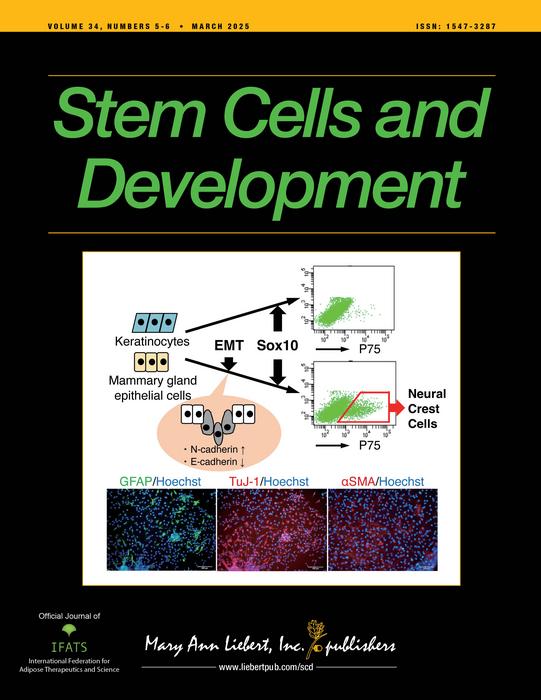
A groundbreaking study published in the esteemed journal Stem Cells and Development explores the remarkable therapeutic potential of mesenchymal stem cell (MSC)-derived extracellular vesicles (EVs) in the context of high-dose radiation injuries. This innovative research sheds light on a new strategy for promoting hematopoietic recovery and improving survival rates among individuals exposed to high radiation levels. With the alarming increase in radiation-based medical treatments and potential nuclear accidents, finding effective ways to mitigate radiation damage has become a priority in medical research.
The study, spearheaded by Sicheng Wen from Brown University, alongside a dedicated team of co-authors, builds upon earlier findings that demonstrated the capacity of MSC-EVs to reverse bone marrow injuries resulting from mold or moderate radiation exposure. This new investigation examines the potential of human MSC-EVs specifically in a high-dose total body irradiation scenario using animal models—mice, in this case. By scrutinizing the effects of MSC-EV administration on irradiated mice, the researchers aimed to uncover the biological mechanisms that lead to improved survival and recovery.
The findings are nothing short of astonishing. MSC-EV treatment resulted in a remarkable increase in survival rates, with an impressive 70% of treated subjects living 120 days post-exposure to total body irradiation. This outcome starkly contrasts with the untreated control group’s grim fate, where zero percent survived the same duration. The researchers uncovered that the therapeutic benefits extended beyond mere survival; there was also substantial peripheral blood recovery observed three months after irradiation. In treated mice, red blood cell, platelet, white blood cell, and hemoglobin levels saw significant increases, presenting an optimistic view for the potential clinical applications of MSC-EV therapy.
Delving deeper into the molecular underpinnings, the study reported encouraging changes in hematopoietic-related gene expression. By the 14-day mark post-irradiation, substantial alterations to gene expression were observed, yet intriguingly, these changes reverted to normal levels by the 120-day mark in those treated with MSC-EVs. This restoration of gene expression not only highlights the regenerative capabilities of MSC-EVs but also points towards their significant role in promoting rapid and effective recovery from severe cellular damage.
However, this burgeoning field of research does not come without its challenges. Graham C. Parker, PhD, Editor-in-Chief of Stem Cells and Development and a member of the Department of Pediatrics at Wayne State University School of Medicine, stresses the need for greater clarity. He articulated the importance of addressing the complexities involved in characterizing extracellular vesicles and the mechanistic explanations behind observed recovery outcomes. The call for rigor and reproducibility in this area is pivotal to moving forward effectively.
As academic and biotech researchers alike engage in the pursuit of harnessing the potential of extracellular vesicles, the findings from this study represent a significant leap forward. This innovative method of using MSC-EVs could potentially redefine therapeutic approaches in combating high-dose radiation injuries, which is especially relevant in certain clinical settings, including oncology, where radiation therapy is prevalent.
In light of these findings, the potential implications extend beyond mere survivability and recovery of hematopoietic functions. This research may influence protocols for treating patients undergoing radiation therapies or those exposed to unforeseen radiation incidents. The prospects of enhancing patient outcomes through the use of MSC-EVs hold immense promise, paving the way for future clinical applications.
More importantly, the study shines a light on redressing current limitations in the regenerative medicine arena. The connection between MSC-EV therapy and recovery from radiation injuries could inspire a shift towards more holistic treatment modalities that actively address the physiology of the affected systems rather than relying solely on high-tech interventions.
The ramifications of this research ripple across various fields, from hematology to oncology and beyond. It prompts an urgent inquiry into how these extracellular vesicles can be effectively harvested, characterized, and applied in clinical settings. The scientific community’s curiosity will undoubtedly lead to further studies aimed at verifying and expanding upon these findings, creating new avenues of discussion and investigation within regenerative medicine.
As we forge ahead into an age where medical technology grapples with advanced therapeutic interventions, groundbreaking research such as this will continue to reshape narratives within the medical community. The power of stem cells, especially in the evolving capacity of their derivatives, highlights a compelling future of regenerative therapies aimed at enhancing quality of life, extending survival, and fostering hope for those affected by severe health challenges.
In essence, the collaborative efforts of researchers to further elucidate the intricacies of MSC-EV therapy can potentially revolutionize the treatment landscape for conditions associated with significant cellular and systemic damage. The excitement continues to build as research advances and new experimental frameworks are developed, demonstrating the relentless human quest for knowledge and innovation in medicine.
Cite Scienmag News
Drew Townsend. (April 9, 2025). Mesenchymal Stem Cell-Derived Extracellular Vesicles Boost Survival Rates in High-Dose Irradiation Mice. Scienmag. https://scienmag.com/mesenchymal-stem-cell-derived-extracellular-vesicles-boost-survival-rates-in-high-dose-irradiation-mice/
Drew Townsend. "Mesenchymal Stem Cell-Derived Extracellular Vesicles Boost Survival Rates in High-Dose Irradiation Mice." Scienmag, 9 April 2025, https://scienmag.com/mesenchymal-stem-cell-derived-extracellular-vesicles-boost-survival-rates-in-high-dose-irradiation-mice/. Accessed 4 September 2026.
Drew Townsend. "Mesenchymal Stem Cell-Derived Extracellular Vesicles Boost Survival Rates in High-Dose Irradiation Mice." Scienmag. April 9, 2025. https://scienmag.com/mesenchymal-stem-cell-derived-extracellular-vesicles-boost-survival-rates-in-high-dose-irradiation-mice/


