


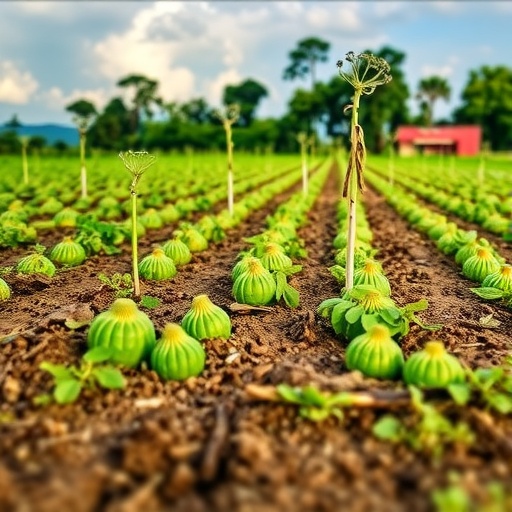
In a world increasingly threatened by climate change, food security remains one of humanity’s foremost challenges. As conventional agriculture grapples with the dual pressures of climate variability and an ever-growing population, a promising solution has emerged: the utilization of marginalized crops. These are crops that are often overlooked or underutilized in mainstream agricultural practices, yet they hold significant potential for enhancing food security and resilience to climate change.
Marginalized crops, often associated with specific geographic regions or cultural practices, include a variety of grains, legumes, and tubers that can thrive in challenging conditions. Examples include quinoa, amaranth, millet, and various indigenous legumes. These crops possess unique traits, such as drought resistance, nutritional density, and adaptability to diverse soil types, making them ideal candidates for addressing food shortages in a changing climate.
The socioeconomic drivers behind the use of marginalized crops are complex and multifaceted. On one hand, there is a burgeoning interest among consumers for sustainable and healthy food options, which marginalized crops can provide. Moreover, smallholder farmers, who make up a significant portion of the agriculture sector in developing countries, often turn to these crops as a means of diversifying their income and improving their resilience against crop failures associated with climate extremes.
Despite the promise that marginalized crops offer, significant barriers exist that hinder their widespread adoption. One of the main challenges is the lack of awareness and knowledge regarding these crops among farmers, consumers, and policymakers. Without sufficient information on cultivation practices, market potential, and health benefits, these crops remain on the periphery of agricultural dialogue.
Another barrier is the perception that marginalized crops are inferior or only suitable for niche markets. This stigma can limit investment, research, and development efforts focused on these crops. However, as scientific research increasingly highlights the nutritional and ecological benefits of marginalized crops, there is potential for a paradigm shift in how they are viewed within the agricultural community.
The role of education and outreach cannot be overstated in promoting the adoption of marginalized crops. Initiatives aimed at raising awareness among farmers and consumers can help stimulate interest and demand. Programs that demonstrate the viability and benefits of these crops, as well as practical training in their cultivation, can empower farmers to include them in their production systems.
Research institutions and universities are crucial in fostering innovation with marginalized crops. By prioritizing research on crop improvement, pest and disease resistance, and sustainable practices, scientists can enhance the attractiveness of these crops for farmers. Public-private partnerships can also play a pivotal role in advancing seed access, marketing strategies, and technology transfer necessary for the successful integration of marginalized crops into mainstream agriculture.
In addition to promoting agricultural diversity, the incorporation of marginalized crops into the food system can have profound implications for nutrition and health. Many of these crops are rich in vitamins, minerals, and other bioactive compounds essential for human health. By including them in diets, communities can combat malnutrition and improve overall health outcomes, particularly in vulnerable populations.
Farmers who adopt these resilient crops can also find themselves better equipped to cope with the uncertainties of climate change. The diversification of crops not only enhances food security by providing alternative sources of nutrition but also reduces dependency on a limited number of staple crops that may be vulnerable to climate-related shocks.
Furthermore, the strategic promotion of marginalized crops may contribute to sustainable development goals, as their cultivation can enhance soil health, promote biodiversity, and reduce greenhouse gas emissions. These environmental benefits align with global efforts to create a more sustainable and resilient food system that can withstand the impacts of climate change.
The potential for economic development through marginalized crops is also worth noting. As awareness grows, there is the opportunity for local and international markets to recognize and value these crops, potentially leading to increased income for farming communities. By tapping into niche markets and exporting unique crops, communities can benefit economically while enhancing food security.
Ultimately, the journey toward integrating marginalized crops into food systems is one that requires collaboration among farmers, scientists, policymakers, and consumers. Stakeholders must work together to dismantle barriers and promote the benefits these crops can bring to both local and global food security.
In conclusion, marginalized crops present a significant opportunity to enhance food security in the face of climate change. The potential socioeconomic drivers and benefits they offer are numerous, but realizing their full potential depends on overcoming the existing challenges. Through education, research, and collaboration, we can pave the way for a future where marginalized crops play a crucial role in building resilient food systems capable of feeding a growing global population in a sustainable manner.
Aryal, J.P., Lopez-Lavalle, L.A.B. Use of marginalized crops for food security under climate change: key socioeconomic drivers, opportunities and barriers. Discov Agric 3, 172 (2025). https://doi.org/10.1007/s44279-025-00365-7
Cite Scienmag News
Alan Morgan. (September 22, 2025). Marginalized Crops: Key to Food Security in Climate Change. Scienmag. https://scienmag.com/marginalized-crops-key-to-food-security-in-climate-change/
Alan Morgan. "Marginalized Crops: Key to Food Security in Climate Change." Scienmag, 22 September 2025, https://scienmag.com/marginalized-crops-key-to-food-security-in-climate-change/. Accessed 4 September 2026.
Alan Morgan. "Marginalized Crops: Key to Food Security in Climate Change." Scienmag. September 22, 2025. https://scienmag.com/marginalized-crops-key-to-food-security-in-climate-change/


