


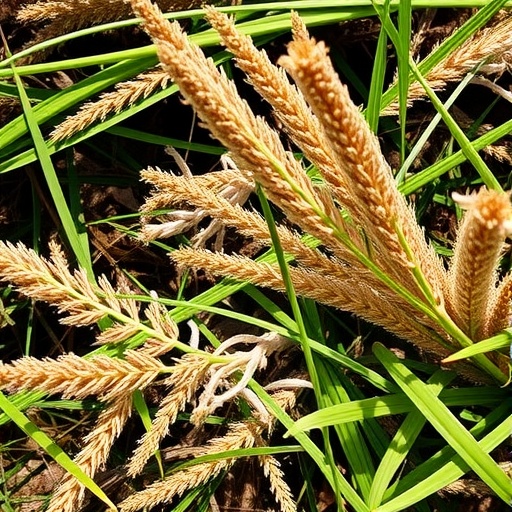
In a world increasingly prioritizing environmental sustainability and food safety, the management of arsenic-laden plant biomass has emerged as a critical concern. With the growing incidence of arsenic contamination in soil and water sources, particularly in agricultural regions, the implications for both human health and ecosystem integrity are profound. Recent research conducted by Srivastava and Gupta sheds light on the status and prospects of addressing this pressing issue, marking a pivotal turning point in how modern agricultural practices handle contaminated biomass.
Arsenic, a notorious environmental contaminant, is known for its toxic effects on living organisms. It occurs naturally in the earth’s crust but is exacerbated by anthropogenic activities such as mining, industrial discharge, and the extensive use of arsenic-containing pesticides. The consequences of arsenic exposure can be severe, ranging from skin lesions to cancer. Notably, the accumulation of this toxic element in plant tissues poses significant risks not only to crops but also to consumers who rely on them for nutrition. This highlights the urgent need for effective management strategies for plant biomass burdened with arsenic.
The research by Srivastava and Gupta provides a comprehensive analysis of the sources and pathways through which arsenic infiltrates agricultural systems. Through contaminated irrigation water and arsenic-rich soil, crops can uptake this element, leading to bioaccumulation in the edible parts of plants. This not only affects plant health but also compromises food safety, creating a dual challenge that encumbers farmers and consumers alike. The intricate dynamics of arsenic bioavailability in soil present further complications in addressing this issue, necessitating an in-depth understanding of environmental factors influencing these processes.
One of the key findings in the study revolves around the potential of phytoremediation as a viable strategy to manage arsenic-laden plant biomass. Phytoremediation involves the use of plants to absorb, accumulate, and detoxify contaminants from soil and water. While traditionally seen as a method to remediate soil, emerging evidence suggests that this approach can also be effective in managing contaminated plant biomass. Specific plant species with high arsenic tolerance and accumulation capacities can be deployed to extract arsenic from the soil and sequester it within their tissues, thereby reducing its accessibility and potential harm to the broader ecosystem.
The researchers also stress the importance of post-harvest biomass management techniques. Once plants containing arsenic are harvested, the question arises: how should this contaminated biomass be handled? Conventional disposal methods threaten to reintroduce arsenic into the environment, potentially affecting land and water sources. Innovative approaches, including the development of biochar from the pyrolysis of contaminated biomass, present promising avenues for minimizing environmental impacts and recycling nutrients more safely. Biochar can enhance soil quality while simultaneously immobilizing arsenic, thus exhibiting a dual function that aligns with sustainable agricultural practices.
Another significant aspect investigated in the study is the role of policy frameworks and farmer education in managing arsenic-laden biomass. Effective policy measures and educational programs can empower farmers with knowledge surrounding the risks associated with arsenic and better techniques for managing contaminated crops. By promoting best practices, such as selecting crop varieties less prone to arsenic accumulation and upgrading irrigation methods, agriculture can become more resilient to contamination while ensuring food safety for consumers.
Moreover, the study highlights the need for further interdisciplinary research to better understand the biochemical mechanisms of arsenic uptake and tolerance in plants. Genetic studies could illuminate the pathways that enable certain plant species to cope with and detoxify arsenic, potentially leading to bioengineering crops designed explicitly for resilience against contamination. Such advancements would not only contribute to healthier food systems but could also catalyze economic opportunities in agricultural sectors most affected by arsenic-laden environments.
As experts in environmental science and agriculture consider the implications of this research, public awareness around the dangers of arsenic in food sources must be heightened. As consumers become informed, their demand for transparent agriculture will amplify the pressure on producers to adopt more responsible practices regarding soil and crop management. This increasing awareness could create a ripple effect, incentivizing farmers to engage in sustainable practices, which is vital for safeguarding food security and public health.
Navigating the multifaceted challenge of arsenic contamination requires collaboration among scientists, policymakers, and the agricultural community. Striking a balance between agricultural productivity and environmental integrity is crucial, as ignoring arsenic risks cannot be an option in the quest for sustainable food systems. The research conducted by Srivastava and Gupta is a significant step toward achieving this balance, emphasizing the necessity for continued dialogue and innovation in the management of arsenic-laden plant biomass.
In conclusion, the study by Srivastava and Gupta provides an influential perspective on the challenges posed by arsenic-laden plant biomass and cultivates optimism for future advancements in management strategies. Through a combination of phytoremediation, effective biomass disposal, enhanced policy frameworks, and heightened public awareness, the agricultural industry can work towards mitigating the risks associated with arsenic contamination. As further research continues to unfold, the goal should remain clear: safeguarding public health while ensuring agricultural sustainability for generations to come.
Srivastava, S., Gupta, A. The status and prospects of management of arsenic-laden plant biomass.
Discov. Plants 2, 239 (2025). https://doi.org/10.1007/s44372-025-00323-z
Cite Scienmag News
Alan Morgan. (September 2, 2025). Managing Arsenic-Rich Plant Biomass: Current Trends and Future. Scienmag. https://scienmag.com/managing-arsenic-rich-plant-biomass-current-trends-and-future/
Alan Morgan. "Managing Arsenic-Rich Plant Biomass: Current Trends and Future." Scienmag, 2 September 2025, https://scienmag.com/managing-arsenic-rich-plant-biomass-current-trends-and-future/. Accessed 4 September 2026.
Alan Morgan. "Managing Arsenic-Rich Plant Biomass: Current Trends and Future." Scienmag. September 2, 2025. https://scienmag.com/managing-arsenic-rich-plant-biomass-current-trends-and-future/


