


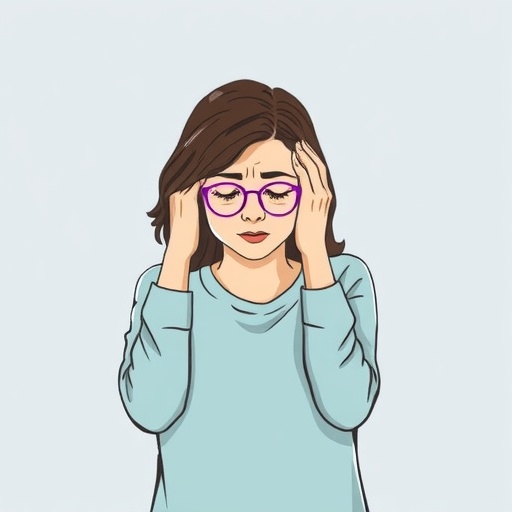
CLEVELAND, Ohio — October 21, 2025 — Anxiety is a pervasive and debilitating symptom frequently experienced during menopause and perimenopause, largely driven by the complex hormonal fluctuations characteristic of this midlife transition. While hormone therapy has long been considered a potential avenue for alleviating these neuropsychiatric manifestations, recent comprehensive analysis underscores the nuanced and inconsistent effects of estrogen-based treatments on anxiety symptoms in women navigating the nuances of midlife hormonal change. These findings, arising from a meticulous systematic review, will be featured at the 2025 Annual Meeting of The Menopause Society held in Orlando from October 21 to 25.
Anxiety, clinically recognized for its multifaceted psychological and somatic symptoms including nervousness, excessive worry, fear, palpitations, and sleep disturbances such as insomnia, substantially impacts the quality of life for many women undergoing menopause. The neuroendocrine interplay during perimenopause precipitates fluctuations in estrogen and progesterone levels that may influence central nervous system function, potentially exacerbating anxiety symptoms. Given the significant societal and individual burden of anxiety during this stage of life, the medical community has sought to evaluate whether hormone therapy might serve as a reliable therapeutic modality.
In an effort to synthesize current evidence, investigators conducted a systematic review encompassing a diverse collection of studies—comprising randomized controlled trials, prospective cohort analyses, and case-control studies—that employed estrogen-based hormone therapy administered either orally or via transdermal methods. Collectively, these investigations included data from over 1,200 women undergoing perimenopause or early postmenopause in clinical trials, in addition to observational data reflecting approximately 175,000 women across the midlife continuum. This breadth of data allowed for a comprehensive evaluation of hormone therapy’s potential anxiolytic effects.
Despite the broad scope of research examined, the systematic review concluded that estrogen-based hormone therapy does not universally or consistently reduce anxiety symptoms in midlife women. However, the data revealed modest anxiolytic effects among subgroups of women, specifically those in perimenopause or early postmenopause who exhibited symptomatic anxiety and were within a proximate window of their final menstrual period. These findings suggest that therapeutic timing—relative to menopausal status—and baseline symptom severity are critical determinants impacting the responsiveness to hormone therapy interventions.
Further complexity arises when considering the pharmacokinetics and pharmacodynamics of hormone formulations and administration routes. Oral estrogen treatments demonstrated the most promising anxiolytic potential compared to transdermal routes, implicating factors such as first-pass hepatic metabolism and resultant estrogen metabolites as possible modulators of therapeutic efficacy. Dosing regimens varied widely among the studies, underscoring the necessity for standardized, optimized protocols to maximize clinical benefit while minimizing risks.
The neurobiological underpinnings linking estrogen fluctuations to anxiety symptomatology remain an active area of investigation. Estrogen receptors densely populate brain regions integral to mood regulation, including the amygdala and hippocampus. Estrogen’s modulation of neurotransmitters such as serotonin, gamma-aminobutyric acid (GABA), and dopamine circuits may mediate anxiety symptomatology, although the specific mechanistic pathways by which hormone therapy exerts clinical effects are incompletely understood.
Importantly, this systematic review highlights a critical need for future research that stratifies participants more precisely by menopausal stage, symptom profile, and timing of intervention. Tailoring hormone therapy regimens to individual physiological and psychological profiles may ultimately clarify which subsets of women stand to derive meaningful anxiolytic benefit without undue exposure to hormone-related risks. This precision medicine approach holds promise for optimizing therapeutic outcomes in midlife women.
Dr. Carys Stefanie Sosea from McMaster University, who led the review, emphasized the clinical relevance of these findings, noting that “women frequently inquire whether menopause hormone therapy might alleviate their anxiety symptoms. Our review aims to provide clinicians with evidence-based guidance to inform patient counseling and treatment planning.” The synthesis of this diverse literature base seeks to bridge the gap between basic science and clinical practice, enabling nuanced discussions about the risks and benefits of hormone therapy.
The Menopause Society’s medical director, Dr. Stephanie Faubion, elaborated on the implications for clinical care, stating, “Anxiety during the menopause transition is common and profoundly distressing. Understanding the potential impact of estrogen-based hormone therapy—including the influence of formulation, dosing, and administration route—empowers clinicians to better personalize treatment strategies while balancing efficacy and safety.”
The findings presented at the upcoming Annual Meeting will delve deeper into subgroup analyses and pharmacological distinctions, offering clinicians and researchers a more granular understanding of hormone therapy’s role in managing anxiety symptoms. This knowledge will contribute to the evolving paradigm of menopausal care, wherein multidisciplinary strategies are employed to enhance the quality of life for women in midlife.
As the medical community awaits further targeted clinical trials, the current evidence underscores a cautious but hopeful perspective on hormone therapy as one component in the multifaceted management of anxiety during the menopause transition. Patients and providers alike are encouraged to engage in shared decision-making that integrates symptom severity, timing, and individual risk factors when considering hormone therapy.
For additional insights on menopause and strategies to promote healthy aging, healthcare professionals and the public are invited to explore the extensive resources available at menopause.org, the authoritative site dedicated to advancing evidence-based care in menopausal health.
The Menopause Society continues to lead the charge in empowering clinicians by providing comprehensive education, research, and advocacy aimed at enhancing health outcomes for women during the menopause transition and beyond. Founded in 1989, this nonprofit multidisciplinary organization remains the preeminent independent resource guiding the clinical management of menopause-related conditions.
Cite Scienmag News
Glenn Wilkins. (October 21, 2025). Managing Anxiety During Menopause: The Uncertain Role of Hormone Therapy. Scienmag. https://scienmag.com/managing-anxiety-during-menopause-the-uncertain-role-of-hormone-therapy/
Glenn Wilkins. "Managing Anxiety During Menopause: The Uncertain Role of Hormone Therapy." Scienmag, 21 October 2025, https://scienmag.com/managing-anxiety-during-menopause-the-uncertain-role-of-hormone-therapy/. Accessed 4 September 2026.
Glenn Wilkins. "Managing Anxiety During Menopause: The Uncertain Role of Hormone Therapy." Scienmag. October 21, 2025. https://scienmag.com/managing-anxiety-during-menopause-the-uncertain-role-of-hormone-therapy/


