


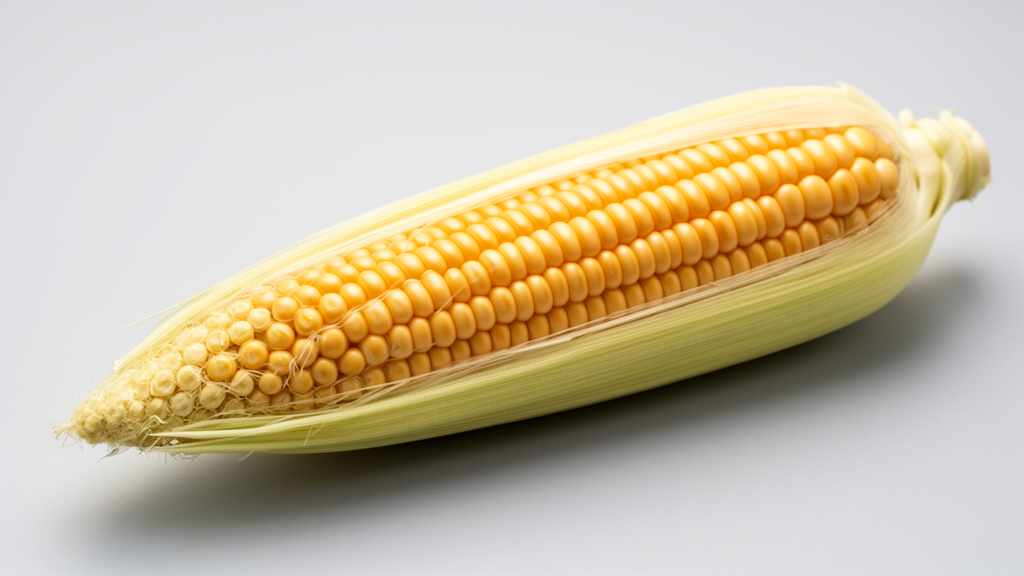
Researchers at the Journal of Advanced Research have detailed a multi-layered genetic architecture governing kernel rate in maize testcross hybrids, a metric that quantifies the proportional allocation of biomass to grain versus the structural cob. The study, led by Xuehang Xiong and colleagues, integrates genome-wide association studies, transcriptomic profiling, and domestication analysis to identify candidate loci that influence how assimilated biomass is partitioned during reproductive development. By focusing on testcross populations rather than inbred lines, the team addressed a critical methodological gap, as inbred lines often exhibit poor seed set under heat stress, which can compromise the accuracy of shelling percentage estimates. This approach allows for a more reliable evaluation of genetic effects in the heterozygous backgrounds typical of commercial hybrid production.
Kernel rate, also known as shelling percentage, is calculated as the ratio of kernel weight to total ear weight. It serves as a composite index of the balance between grain production and the structural investment in the cob. While high shelling percentage is valued in hybrid evaluation, with some elite cultivars exceeding 85 percent, the study emphasizes that this trait is most informative when evaluated alongside absolute yield and ear-architecture traits. The research team measured ear weight, cob weight, kernel weight, and kernel rate in two distinct testcross populations generated by crossing a diverse panel of 456 maize inbred lines with the elite testers Zheng58 and Mo17. These populations were evaluated across six environments spanning different years and locations in China, including Sanya, Hebi, Chongqing, Wuhan, and Kunming.
The phenotypic analysis revealed that kernel rate exhibits strong genetic control across environments, with high broad-sense heritability in both testcross populations. Frequency distributions for the traits approximated normal distributions, supporting their suitability for genome-wide association analysis. Correlation analysis showed strong positive relationships among ear weight, cob weight, and kernel weight. However, kernel rate was strongly negatively correlated with cob weight, a relationship expected from its mathematical definition as one minus the ratio of cob weight to ear weight. Despite this mathematical linkage, the weak correlations between kernel rate and total ear weight in both the Mo17 and Zheng58 backgrounds indicate that kernel rate captures meaningful variation in relative biomass allocation that is not simply a surrogate for total ear size.
Genome-wide association studies were performed using a high-density genotype dataset comprising 1.25 million high-quality single nucleotide polymorphisms. The researchers employed a mixed linear model incorporating kinship to control for population stratification and cryptic relatedness, which provided the best balance between confounding control and retention of informative associations. At a predefined significance threshold, the study identified multiple associations for ear weight, cob weight, kernel weight, and kernel rate across individual environments and multi-environment summaries. Notably, the genetic architecture of these traits differed significantly between the two testcross backgrounds, with limited overlap in associated loci. This background-dependent variation highlights the influence of tester-specific combining ability and epistatic interactions on the expression of allelic effects in hybrids.
To provide additional layers of evidence, the team conducted a comparative transcriptomic analysis of parental inbred lines associated with extreme hybrid performance. Using public RNA-seq data from 15-day-after-pollination kernels, they identified differentially expressed genes between high- and low-performance groups for each trait. For kernel rate, the high-performance group included lines such as CML423 and DH3732, while the low-performance group included GY1032 and SY3073. Principal component analysis showed partial separation between these groups, and Permutational Multivariate Analysis of Variance indicated that group membership accounted for a significant portion of transcriptomic variation for cob weight and kernel weight, though the differentiation for kernel rate was weaker. This suggests that transcriptomic signatures are trait-dependent and provide supporting evidence for candidate gene prioritization rather than a complete binary clustering of performance.
The integration of genomic, transcriptomic, and evolutionary data allowed the researchers to prioritize specific candidate genes for further investigation. One such gene, FDPS3, encodes a farnesyl diphosphate synthase involved in isoprenoid biosynthesis and was identified through the overlap of GWAS signals and domestication sweep regions. Its lead SNP was associated with ear and kernel weight in the Zheng58 background, and regional linkage disequilibrium analysis supported a localized genetic effect. Another prioritized candidate, Zm00001d037532, encodes a bifunctional enzyme involved in central carbon regulation. It was differentially expressed in the cob weight comparison and overlapped a domestication-sweep region, with expression levels associated with cob weight and kernel rate in the parental lines. These candidates illustrate how association, expression, and evolutionary evidence can converge to identify biologically plausible loci.
Functional enrichment analysis of the overlapping gene sets revealed biologically coherent processes related to biomass partitioning. Genes shared between GWAS intervals and domestication sweeps were enriched for cell-wall organization and cellular maintenance, processes relevant to cob structure. Genes shared between differentially expressed genes and domestication regions were enriched for fructose-2,6-bisphosphate metabolism, which can influence the balance between structural growth and storage-product accumulation. The convergence of these signals supports a model in which historical selection established a developmental background, standing allelic variation modifies this background in contemporary germplasm, and regulatory activity translates genetic variation into phenotypic differences in hybrid performance.
The study also examined a candidate region on chromosome 8 near the histone H3 gene Zm00001d012275. A cluster of significant single nucleotide polymorphisms in this region was detected in the 2012YN Zheng58 environment, and haplotype analysis revealed consistent differences in kernel rate across multiple environments. While histone modifications are known to regulate transcriptional repression and developmental gene expression in plants, the current data do not establish that this association acts through a histone-mediated mechanism. The researchers emphasize that this region should be considered a stable candidate hotspot requiring fine mapping and chromatin-state profiling before an epigenetic mechanism can be inferred.
Several limitations of the study are acknowledged by the authors. The transcriptomic analysis was based on a limited number of parental inbred lines at a single developmental stage, which restricts the ability to resolve hybrid-specific dominance, allele-specific expression, or parent-of-origin effects. Additionally, only two testers and six environments were examined, limiting the inference about the universality of tester effects and environmental stability. The prioritized genes and genomic regions have not yet been functionally validated, and their proposed roles should be regarded as hypotheses rather than established mechanisms. The practical value of improved biomass allocation must also be considered in conjunction with grain quality and postharvest stability.
Despite these limitations, the study provides a testcross-oriented framework that links statistical associations with expression and evolutionary information. It offers practical targets for multi-tester, multi-environment breeding of high-efficiency maize ideotypes. By identifying loci that recur across testers and environments, the research provides a foundation for developing hybrids with improved and stable reproductive allocation. The findings underscore the importance of considering the genetic background in which alleles are evaluated, as the context of the tester genome significantly influences the expression of biomass-partitioning traits.
The study utilized a diverse association mapping panel originally assembled from 513 maize inbred lines, of which 456 were retained for the present analysis due to available testcross progeny and complete phenotypic records. This panel comprised 207 tropical or subtropical lines and 249 temperate lines, representing a broad genetic base for evaluating heterotic effects. The inbred lines were crossed with two elite testers, Zheng58 and Mo17, which represent distinct heterotic groups, to generate two separate F1 testcross populations. This design allowed the researchers to assess how genetic background influences the expression of traits related to biomass partitioning. The phenotypic evaluation was conducted across six specific environments, defined as year-by-location combinations, including trials in Sanya, Hebi, Chongqing, Wuhan, and Kunming. All trials followed randomized complete block designs under standard irrigation, fertilization, and pest management conditions, ensuring that the observed variations were primarily genetic rather than environmental artifacts.
Statistical analysis employed best linear unbiased estimators and predictions to account for genotype effects across multiple environments. The researchers treated genotype as a fixed effect for BLUEs and as a random effect for BLUPs, with the BLUE-based genome-wide association study serving as the primary analysis to avoid additional shrinkage effects. Broad-sense heritability was calculated on an entry-mean basis, revealing high values for kernel rate in both testcross populations. For instance, in the Mo17 background, the heritability for kernel rate reached 0.87 in the 2011DHN environment, while in the Zheng58 background, it reached 0.95 in the same environment. These high heritability estimates indicate that a substantial proportion of the phenotypic variation in kernel rate is attributable to genetic factors, making it a suitable target for genomic selection and marker-assisted breeding programs aimed at improving reproductive efficiency.
Linkage disequilibrium decay in the population was defined at the point where mean pairwise r2 declined to 0.1, corresponding to approximately 50 kilobases. Based on this decay rate, candidate intervals were defined as 100-kilobase windows centered on lead single nucleotide polymorphisms. This resolution allowed for the identification of specific genomic regions associated with yield-related traits. The study identified 439 candidate genes in the Zheng58 background and 392 in the Mo17 background, with only 24 genes shared between the two backgrounds. This limited overlap suggests that the genetic architecture of biomass partitioning is highly context-dependent, influenced by the specific tester genome. Loci detected in both backgrounds may contribute to general combining ability, whereas those detected in only one background may reflect specific combining ability or tester-specific dominance complementation.
Quantitative real-time polymerase chain reaction analysis was performed to validate the expression patterns of a representative differentially expressed gene, Zm00001d049975. Kernels were collected at 35 days after pollination from two parental inbred lines, SY3073 and DH3732, which corresponded to the low- and high-kernel rate testcross groups, respectively. The relative expression level of Zm00001d049975 was significantly lower in DH3732 than in SY3073, with a fold change of approximately 0.35. This result was consistent with the direction observed in the original RNA-seq analysis, providing experimental support for the transcriptomic findings. However, the difference in developmental stage between the RNA-seq samples and the qRT-PCR samples, along with the limited number of genotypes, precludes definitive conclusions regarding the general association of this gene with kernel rate or its specific functional role in kernel development.
Subject of Research: Genetic architecture of kernel rate in maize testcross hybrids
Article Title: An integrative GWAS, Transcriptomic, and domestication analysis Uncovers Multi-Layered genetic architecture of kernel rate in maize testcross hybrids
Article References: Xiong, X., Duan, H., Ding, D., Tang, J., & Zhang, X. (2026). An integrative GWAS, Transcriptomic, and domestication analysis Uncovers Multi-Layered genetic architecture of kernel rate in maize testcross hybrids. Journal of Advanced Research. https://doi.org/10.1016/j.jare.2026.10.046
Image Credits: AI Generated
DOI: 10.1016/j.jare.2026.10.046
Keywords: maize, GWAS, kernel rate, transcriptomics, domestication, testcross hybrids, biomass allocation, genetic architecture, crop improvement, integrative, Transcriptomic, analysis
Cite Scienmag News
Alan Morgan. (November 9, 2026). Maize Study Maps Genetic Basis of Kernel-to-Cob Allocation. Scienmag. https://scienmag.com/maize-study-maps-genetic-basis-of-kernel-to-cob-allocation/
Alan Morgan. "Maize Study Maps Genetic Basis of Kernel-to-Cob Allocation." Scienmag, 9 November 2026, https://scienmag.com/maize-study-maps-genetic-basis-of-kernel-to-cob-allocation/. Accessed 15 November 2026.
Alan Morgan. "Maize Study Maps Genetic Basis of Kernel-to-Cob Allocation." Scienmag. November 9, 2026. https://scienmag.com/maize-study-maps-genetic-basis-of-kernel-to-cob-allocation/




