


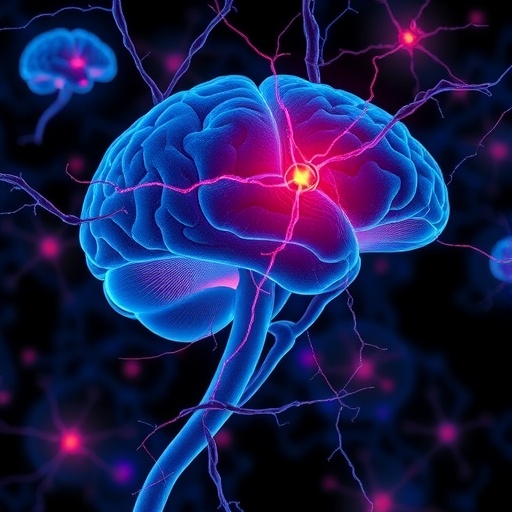
Chronic traumatic encephalopathy (CTE) develops after repeated head impacts and traumatic brain injuries, most often reported in contact-sport athletes and military personnel. For years, the field has largely framed CTE as a neuron-centered disorder driven by abnormal tau accumulation. But a new scoping review argues that the story may begin earlier and unfold differently—through the brain’s support cells.
The review, published in the Chinese Neurosurgical Journal on May 21, 2026, synthesizes evidence from 40 studies. These include analyses of postmortem human tissue, experimental models, molecular work, and biomarker-focused research. Led by Dr. Kameron Hahn and colleagues, the paper evaluates whether astrocytes—glial cells essential for brain homeostasis—contribute more than previously recognized.
Astrocytes are multifunctional regulators. They help maintain the blood-brain barrier, tune neuronal signaling, support energy metabolism, and remove waste via coordinated transport processes. The authors emphasize that, in CTE, astrocytic dysfunction could influence both the onset and progression of disease, potentially shaping clinical outcomes in ways that overlap with, but are not limited to, neuronal tau pathology.
Across the literature, four recurring mechanisms stand out. First is interface-specific astrogliosis, where injury-related reactive changes concentrate at vulnerable anatomical boundaries. Second is disruption of aquaporin-4–mediated waste clearance, weakening the brain’s ability to remove harmful proteins. Third is astrocytic degeneration linked to impaired glutamate handling. Fourth is chronic neuroinflammation sustained by crosstalk between astrocytes and microglia.
Importantly, multiple studies report that astrocyte abnormalities appear early, including in regions experiencing the highest mechanical stress from repeated impacts. Patterns such as activation near blood vessels and within cortical sulci suggest astrocytes may help initiate a cascade rather than merely respond after damage is established.
The review also links astrocytes to the glymphatic system, a clearance network that helps eliminate metabolic waste and potentially toxic aggregates. When aquaporin-4 channels are disrupted after injury, waste clearance may falter—contributing to hyperphosphorylated tau accumulation, a hallmark of CTE.
Neuroinflammation emerges as another driver. Astrocyte–microglia interactions may lock the brain into a long-term inflammatory state, accelerating neuronal and synaptic injury over time. This inflammatory milieu could help explain the progressive cognitive, behavioral, and neurological decline seen in CTE.
Finally, the authors consider the clinical promise of astrocyte-derived biomarkers. Glial fibrillary acidic protein (GFAP), released during astrocytic injury, may support future multimodal strategies for identifying individuals at risk before irreversible pathology becomes entrenched.
Cite Scienmag News
Cassandra Pierce. (July 15, 2026). Kansas City University Review Identifies Astrocytes as Drivers of Chronic Traumatic Encephalopathy. Scienmag. https://scienmag.com/kansas-city-university-review-identifies-astrocytes-as-drivers-of-chronic-traumatic-encephalopathy/
Cassandra Pierce. "Kansas City University Review Identifies Astrocytes as Drivers of Chronic Traumatic Encephalopathy." Scienmag, 15 July 2026, https://scienmag.com/kansas-city-university-review-identifies-astrocytes-as-drivers-of-chronic-traumatic-encephalopathy/. Accessed 5 September 2026.
Cassandra Pierce. "Kansas City University Review Identifies Astrocytes as Drivers of Chronic Traumatic Encephalopathy." Scienmag. July 15, 2026. https://scienmag.com/kansas-city-university-review-identifies-astrocytes-as-drivers-of-chronic-traumatic-encephalopathy/


