


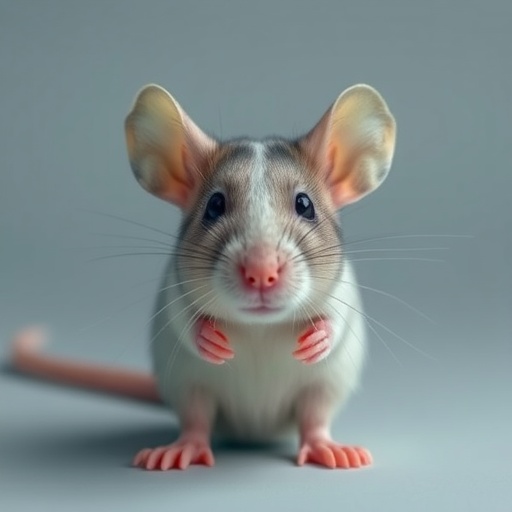
In a groundbreaking study published in Translational Psychiatry, scientists have uncovered compelling evidence linking the chronic use of isotretinoin, a widely prescribed medication for severe acne, to the development of depressive and anxiety-like behaviors in adolescent mice. This pioneering research provides unprecedented insight into the neurobiological mechanisms through which isotretinoin affects the brain, potentially reshaping how clinicians approach the prescription of this drug for young patients.
Isotretinoin, also known commercially as Accutane, has long been recognized for its remarkable efficacy in treating recalcitrant acne. However, there have been a growing number of anecdotal and clinical reports suggesting that the drug may induce psychiatric side effects. The study led by Ren, Y., Ren, Z., Zhao, S., and colleagues sought to rigorously investigate these behavioral changes at a molecular and cellular level, focusing on the intricate neuroactive ligand-receptor pathways that regulate mood and anxiety.
The research team employed adolescent mice as a model system to mimic the developmental stage at which isotretinoin is most frequently administered in humans. Chronic administration of the drug was simulated, with dosages calibrated to reflect long-term human therapeutic levels. Behavioral assays conducted at various intervals revealed a striking increase in both depressive- and anxiety-like phenotypes compared to control groups, substantiating the hypothesis that isotretinoin may provoke profound mood disturbances.
Delving deeper, advanced molecular analysis illuminated alterations in the neuroactive ligand-receptor interaction pathway, a critical signaling cascade involved in neural communication and plasticity. This pathway encompasses a diverse array of neurotransmitter receptors and their corresponding ligands, which together orchestrate the delicate balance between excitatory and inhibitory signaling fundamental to emotional regulation.
The researchers documented significant dysregulation in several receptor subtypes, including those for serotonin, dopamine, and gamma-aminobutyric acid (GABA), all of which are intimately connected with mood disorders. The evidence suggests that isotretinoin disrupts the normal expression and function of these receptors, thereby impairing synaptic transmission and neuronal circuit activity pivotal for maintaining mental health.
Importantly, the study highlights the developmental sensitivity of the adolescent brain, which is still undergoing critical maturation processes. Interference with neuroactive ligand-receptor pathways during this vulnerable period may lead to long-lasting or even permanent changes in brain architecture and function, potentially precipitating chronic psychiatric conditions.
Moreover, the team utilized transcriptomic approaches to paint a comprehensive picture of gene expression changes induced by isotretinoin. This genomic profiling revealed a cascade of downstream effects on genes involved in neurotransmitter synthesis, synaptic vesicle trafficking, and receptor turnover, underlining the multifactorial impact of the drug on brain homeostasis.
A particularly novel aspect of this research was the integration of behavioral data with molecular findings, enabling a direct correlation between biochemical disruptions and observable emotional disturbances. This multidimensional analysis enhances the credibility of the conclusions and reinforces the translational relevance of the mouse model for human adolescents.
The implications of these findings extend beyond clinical dermatology into mental health policy and pharmacovigilance. Awareness of isotretinoin’s neuropsychiatric side effects might prompt more cautious prescribing practices, incorporation of psychiatric evaluations in treatment protocols, and closer monitoring of patients undergoing therapy.
Furthermore, the discovery opens new avenues for interventions targeting the neuroactive ligand-receptor pathways to mitigate or prevent mood disorders associated with isotretinoin use. Pharmaceutical research may focus on adjunct therapies that safeguard neurotransmitter receptor integrity or promote synaptic resilience during isotretinoin treatment.
It is worth noting that previous hypotheses about isotretinoin-induced depression lacked robust molecular evidence, often relying solely on case reports or correlational data. This study stands out by providing mechanistic insights that may finally bridge the gap between clinical observation and biological causation.
While the research was conducted in mice, the parallels drawn to human adolescence are compelling, given the conserved nature of neurotransmitter systems across mammalian species. Nonetheless, further clinical trials are necessary to validate these findings in human populations and determine dose-response relationships and risk factors.
In sum, the work by Ren and colleagues represents a paradigm shift in understanding the neuropsychiatric consequences of isotretinoin. Their meticulous dissection of neuroactive ligand-receptor interactions sheds light on the complex biochemistry of mood disorders induced by pharmacological agents, emphasizing the need for interdisciplinary research at the intersection of dermatology, neuroscience, and psychiatry.
This pioneering study is poised to influence both scientific inquiry and clinical practice, ultimately aiming to safeguard adolescent mental health while maintaining the therapeutic benefits of acne treatment. As the global medical community continues to grapple with balancing efficacy and safety in drug prescriptions, insights such as these underline the crucial importance of integrative, mechanism-based approaches to medicine.
Cite Scienmag News
Glenn Wilkins. (November 20, 2025). Isotretinoin Triggers Depression, Anxiety in Adolescent Mice. Scienmag. https://scienmag.com/isotretinoin-triggers-depression-anxiety-in-adolescent-mice/
Glenn Wilkins. "Isotretinoin Triggers Depression, Anxiety in Adolescent Mice." Scienmag, 20 November 2025, https://scienmag.com/isotretinoin-triggers-depression-anxiety-in-adolescent-mice/. Accessed 5 September 2026.
Glenn Wilkins. "Isotretinoin Triggers Depression, Anxiety in Adolescent Mice." Scienmag. November 20, 2025. https://scienmag.com/isotretinoin-triggers-depression-anxiety-in-adolescent-mice/


