


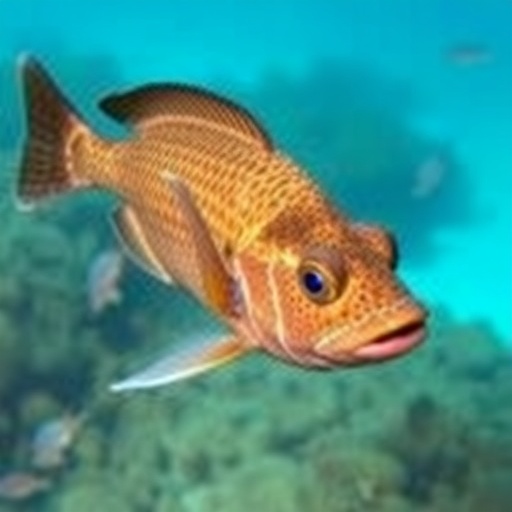
In the deep blue depths of the Pacific Ocean lies a complex ecosystem replete with life, where coral reefs serve as the hub of biodiversity. Among these vibrant marine structures are the lower mesophotic coral reefs found in Polynesia, a region noted for its rich marine life and stunning underwater landscapes. Recent research spearheaded by a team of scientists investigates a largely unexplored facet of this underwater world: the potential sound producers among the diverse fish species inhabiting these coral reefs. The study delves into the intricate webs of communication utilized by marine life beneath the surface, offering insights into an aspect of oceanic life that has largely been overlooked.
As underwater acoustics garners more attention in biological research, especially in marine environments, understanding which fish species are capable of producing sounds is crucial. Sounds in aquatic environments play an essential role in communication, mating rituals, and territorial disputes. By uncovering which fish species can contribute to the acoustic landscape of lower mesophotic coral reefs, researchers aim to shed light on the dynamics of these ecosystems and their potential vulnerability to environmental changes.
Lower mesophotic coral reefs, situated between 30 to 150 meters deep, represent a transitional zone where sunlight diminishes, influencing the types of organisms that thrive in these regions. This study explores several fish species believed to be sound producers, delving into their behaviors and ecological roles. Utilizing advanced underwater recording technology, the researchers captured sound profiles that provide a unique glimpse into the vocalizations of these marine inhabitants, revealing their hidden communications and interactions.
The significance of this research extends beyond mere curiosity; understanding the acoustic behaviors of fish species can offer vital information on their populations and health. Various studies have indicated that sound production in marine species can be affected by environmental factors such as temperature, ocean acidification, and pollution. Identifying the sound-producing capabilities of fish populations could therefore serve as an indicator of ecological health and help in the development of effective conservation strategies.
The method employed by the research team was rigorous and multifaceted. They conducted extensive fieldwork in the Polynesian lower mesophotic coral reefs, deploying specialized sound recording equipment to capture various fish sounds over prolonged periods. These recordings were then meticulously analyzed to distinguish between species and identify unique sound signatures. The findings unveil an astonishing variety of vocalizations, from grunts and croaks to more complex acoustic displays, indicative of the diverse behaviors present within these fish communities.
Moreover, this research has the potential to alter our understanding of fish behavior significantly. It challenges previously held assumptions that sound production was limited to certain species or that it was primarily a feature of shallow water environments. By demonstrating that lower mesophotic regions are also home to potential sound producers, the study encourages further investigation into the acoustic diversity present in deeper waters and its functional implications.
In highlighting the importance of sound in the marine ecosystem, the research underscores a broader message about the intricacy of life beneath the waves. Each fish vocalization contributes to a rich tapestry of sound that fills the underwater world, facilitating interactions not only among fish but also with other marine organisms. Sounds can signal danger, attract mates, or establish territory, weaving social dynamics through soundscapes in ways that remain largely undiscovered.
The implications of this study are vast. By establishing a baseline of the types of fish that produce sound in the lower mesophotic coral reefs, future researchers can monitor changes over time, especially in relation to climate change or human impacts. This foundational knowledge can serve as a barometer for detecting shifts in environmental health and population dynamics, leading to a deeper understanding of ecosystem resilience.
Furthermore, as the world focuses on sustainability and the preservation of biodiversity, the importance of protected marine areas cannot be overstressed. The findings of this study contribute to ongoing discussions about the need to safeguard these unique underwater ecosystems from overfishing, pollution, and climate change. Recognizing and protecting the acoustic environments of these species will be essential for the continued health of not just fish populations, but entire coral reef systems.
While this research primarily addresses the sound-producing capabilities of certain fish species, it also hints at the expansive field of bioacoustics—an area of science that marries biology and sound. This intersection opens the door to innumerable avenues for future research, inviting scientists to explore how other marine animals communicate and navigate their environments. The ocean’s soundscape functions as a crucial habitat for many species, and understanding these auditory interactions is vital for marine conservation efforts.
In conclusion, the exploration of potential fish sound producers in Polynesia’s lower mesophotic coral reefs illuminates an entirely new aspect of marine research. It compels us to re-evaluate the significance of sound in underwater ecosystems, showcasing a hidden but critical layer of communication and interaction that thrives in our oceans. Continued research in this domain can offer profound insights into the complexities of underwater life, the implications of environmental changes, and the pressing need to preserve our oceans.
The sound-producing capabilities of marine organisms, particularly those residing in scarcely explored depths, present an urgent invitation for further studies and conservation efforts. This work paves the way for a deeper understanding not just of individual species, but of the very fabric of life that is interwoven amongst coral reefs.
Raick, X., Lecchini, D. & Parmentier, E. Exploring potential fish sound producers in Polynesian lower mesophotic coral reefs.
Coral Reefs 44, 1373–1388 (2025). https://doi.org/10.1007/s00338-025-02699-6
Cite Scienmag News
Violet Maxwell. (August 8, 2025). Investigating Fish Sound Producers in Polynesian Reefs. Scienmag. https://scienmag.com/investigating-fish-sound-producers-in-polynesian-reefs/
Violet Maxwell. "Investigating Fish Sound Producers in Polynesian Reefs." Scienmag, 8 August 2025, https://scienmag.com/investigating-fish-sound-producers-in-polynesian-reefs/. Accessed 5 September 2026.
Violet Maxwell. "Investigating Fish Sound Producers in Polynesian Reefs." Scienmag. August 8, 2025. https://scienmag.com/investigating-fish-sound-producers-in-polynesian-reefs/


