


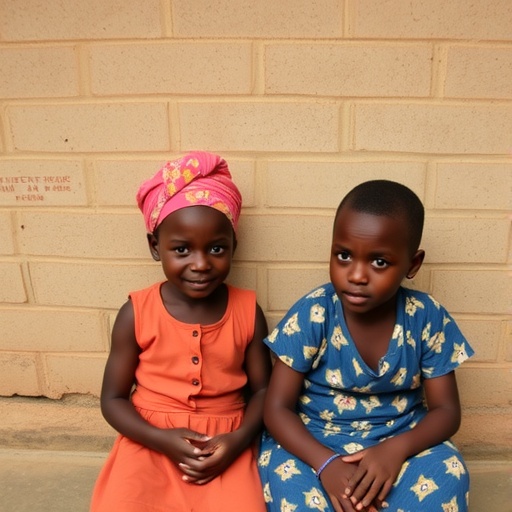
In recent years, the landscape of parenting has undergone significant transformations, influenced by cultural shifts, technological advancements, and changing societal norms. Among the myriad interpretations of effective parenting, the perspectives of Sub-Saharan African parents residing in Ghana stand out as a unique lens through which to examine this multifaceted topic. The work of researchers such as Adjei and Abekah-Carter highlights the need for a nuanced understanding of parenting strategies that resonate with the values, beliefs, and lived experiences of these parents.
The primary focus of the research is to delve into the different aspects of parenting that Ghanaian parents perceive as effective. It acknowledges the traditional parenting frameworks that have been historically prevalent in Sub-Saharan Africa while also considering how globalization and western influences have redefined these norms. The researchers explore how parents negotiate their identities and parenting styles amidst these dynamic changes, trying to find a balance that best serves their children and their communities.
The discussion advances the assumption that parenting is not a one-size-fits-all approach. Rather, it varies significantly based on cultural backgrounds, socioeconomic status, and individual family circumstances. Ghanaian parents, in particular, draw from rich cultural heritages that emphasize communal roles and responsibilities. Through interviews and observations, the researchers aimed to capture these diverse parenting methods, shedding light on what effective parenting means in this specific context.
Moreover, the researchers emphasize how education plays a pivotal role in shaping parenting practices. Many Ghanaian parents express a strong commitment to their children’s education, seeing it as a pathway to success and social mobility. Here, parenting intertwines with broader educational aspirations, as parents often adapt their methods to support their children’s academic achievements. This reflects a growing recognition of the importance of educational outcomes in a rapidly modernizing society.
In addition to education, the psychosocial dimensions of parenting are aptly highlighted in the research. Ghanaian parents often emphasize emotional support, social cohesion, and the development of resilience in their children. Many parents articulate the need for their children to be well-rounded individuals, capable of navigating both traditional values and modern societal demands. The emphasis on fostering strong identities—grounded in cultural heritage—shows a sophisticated understanding of child development and mental health, which moves beyond mere academic success.
Interestingly, the research also examines how external factors, such as socio-economic challenges and environmental issues, affect parenting practices in Ghana. Urbanization and economic pressures force many families to adapt their parenting strategies, often leading to greater reliance on extended family and community networks for support. This interdependence reflects a cultural motif in Ghanaian society: the idea that it takes a village to raise a child. Such perspectives on community involvement underscore the collective responsibility parents feel toward not just their children but also their broader societal context.
The findings from this research present an opportunity to rethink existing frameworks surrounding parenting. By prioritizing culturally specific insights, researchers can offer alternative models that resonate more deeply with the lived realities of Ghanaian families. For policymakers, educators, and child development specialists, these perspectives are critical in shaping relevant programs and interventions designed to support families and children effectively.
Furthermore, the implications of this research extend beyond the socio-cultural landscape of Ghana. It invites a comparative analysis with parenting practices worldwide, encouraging a global dialogue about what constitutes effective parenting. As societies become more interconnected, there’s an essential need to understand diverse methodologies in raising children, fostering an appreciation for the unique struggles and achievements of parents from different backgrounds.
As the world grapples with the challenges of the 21st century, understanding parenting through the lens of different cultures becomes increasingly important. This research reminds us that effective parenting transcends geographical borders and resonates with universal human experiences, yet is deeply rooted in the unique social fabrics of individual societies. Thus, it serves as a call for further research into parenting practices worldwide, urging scholars and practitioners alike to explore these intricate dynamics with respect and sensitivity.
In summary, the exploration of Ghanaian parenting practices by Adjei and Abekah-Carter enriches the ongoing discourse on effective parenting. By illuminating the perspectives of Sub-Saharan African parents, the research showcases a unique blend of tradition and modernity, shedding light on the complexities and challenges they navigate. The study’s compelling insights may inform both local and global practices, paving the way for discussions that emphasize cultural relevance and personal relevance in effective parenting. Understanding these dimensions will ultimately lead to more comprehensive and effective support systems for families everywhere.
In conclusion, Adjei and Abekah-Carter’s research offers a fresh perspective on effective parenting that highlights the importance of cultural context. Their work champions the voices of Ghanaian parents, advocating for recognition and validation of their experiences amid a rapidly changing world. As the global narrative on parenting evolves, let us carry forward these discussions, ensuring that diverse voices are heard and their insights valued in the collective pursuit of nurturing the next generation.
Adjei, P.B., Abekah-Carter, K. Re-thinking Effective Parenting: Perspectives from Sub-Saharan African Parents Residing in Ghana.
J Child Fam Stud (2025). https://doi.org/10.1007/s10826-025-03184-y
Cite Scienmag News
Courtney Benton. (October 18, 2025). Insights on Parenting from Ghana’s Sub-Saharan Families. Scienmag. https://scienmag.com/insights-on-parenting-from-ghanas-sub-saharan-families/
Courtney Benton. "Insights on Parenting from Ghana’s Sub-Saharan Families." Scienmag, 18 October 2025, https://scienmag.com/insights-on-parenting-from-ghanas-sub-saharan-families/. Accessed 8 September 2026.
Courtney Benton. "Insights on Parenting from Ghana’s Sub-Saharan Families." Scienmag. October 18, 2025. https://scienmag.com/insights-on-parenting-from-ghanas-sub-saharan-families/


