


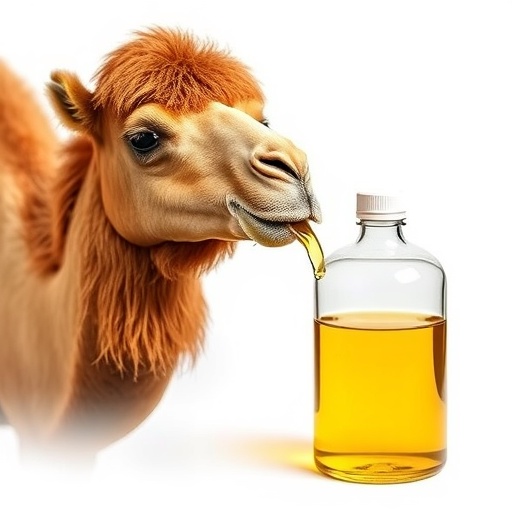
In a groundbreaking study published in the journal “Discover Sustainability,” researchers have investigated the kinetic and thermodynamic aspects of lipid extraction from the fat waste of the dromedary camel, scientifically known as Camelus dromedarius. This research holds immense potential for sustainable biodiesel production, addressing not only the efficient utilization of fat waste but also contributing to the broader context of renewable energy sources.
The study meticulously examines the extraction process, exploring various methodologies that could be applied to obtain lipids from camel fat. This is particularly significant considering the environmental challenges associated with waste management in the livestock industry. By focusing on dromedary camels, the researchers aim to leverage a commodity that is often overlooked yet widely available, especially in regions where these animals are prevalent.
One of the unique aspects of this investigation is its emphasis on kinetics and thermodynamics. The researchers detail the rate of lipid extraction, analyzing how different parameters such as temperature, solvent choice, and extraction time influence the overall efficiency of obtaining high yields of lipids. This level of detail offers a comprehensive understanding of the extraction process and highlights the specific combinations of variables that optimize lipid yield.
The thermodynamic perspective adds another layer of complexity to the study. By analyzing the energy dynamics involved in lipid extraction, the researchers provide critical insights into the feasibility of the extraction processes. Understanding the thermodynamics allows for the identification of energy-efficient methods that minimize waste and enhance the sustainability of biodiesel production. This focus on energy efficiency ties into larger efforts within the scientific community to transition toward more sustainable energy sources.
Furthermore, the researchers discuss the potential applications of the extracted lipids in the production of biodiesel. This is a vital component of the study, as biodiesel represents a renewable energy source that could significantly reduce reliance on fossil fuels. The lipids derived from Camelus dromedarius fat not only offer an alternative to conventional biodiesel feedstocks, but they also create a circular economy model where waste products are transformed into valuable resources.
This research underscores the importance of utilizing existing biological waste to produce clean energy. The dromedary camel is particularly well-suited for this process, as it is adapted to arid environments and is often raised in regions where resource scarcity makes efficient waste management crucial. This adaptability positions camels as not just livestock but also as potential contributors to sustainable energy solutions.
In practical terms, the findings from this study could pave the way for new industries centered around camel fat waste. As biodiesel becomes more widely accepted and sought after, utilizing camel fat could represent a significant opportunity for economic development, especially in rural or underdeveloped areas where camels are commonly raised. Such initiatives could enhance local economies by creating jobs while contributing to global sustainability efforts.
Moreover, the implications of this research extend beyond biodiesel. The extracted lipids can also be utilized in various industrial applications, including the production of bioplastics, soaps, and cosmetics. The versatility of these lipids indicates a potential for vast market opportunities within the realm of bioproducts, indicating that the benefits of this research could be far-reaching.
Importantly, the research team has called for further studies to validate their findings and explore additional parameters that could enhance lipid extraction efficiency. This includes experimenting with novel solvents or advanced extraction technologies that may lead to even higher yields of lipids. The potential for innovation within this field reflects the ongoing evolution of biorefinery processes, where various biomass sources contribute to a sustainable future.
The study exemplifies how interdisciplinary approaches can enhance practical solutions to pressing environmental problems. By combining principles from biology, chemistry, and engineering, the researchers create a roadmap for future investigations that could not only optimize lipid extraction techniques but also bring to light new applications for camel fat waste.
In conclusion, the study on lipid extraction from Camelus dromedarius fat waste represents a significant step toward sustainable biodiesel production and waste management. It highlights the need for innovative approaches to harness agricultural waste, ultimately fostering a more sustainable energy landscape. With concrete applications and promising methodologies, this research lays the groundwork for future exploration and emphasizes the critical role of renewable energy in combating climate change.
This pioneering work showcases a scientific inquiry that could reverberate across multiple sectors, emphasizing the potential of camel fat as a resource rather than waste. However, the task ahead requires dedication, investment, and a commitment to ongoing research to fully harness the opportunities presented by this unconventional feedstock.
In summary, the advancements in lipid extraction technology position countries that raise dromedary camels as key players in the renewable energy sector. As the world seeks alternatives to fossil fuels, this research underscores the significance of agricultural waste management in creating sustainable solutions, suggesting a harmonious relationship between environmental stewardship and economic growth.
Cite Scienmag News
Violet Maxwell. (October 18, 2025). Innovative Lipid Extraction from Camel Fat for Biodiesel. Scienmag. https://scienmag.com/innovative-lipid-extraction-from-camel-fat-for-biodiesel/
Violet Maxwell. "Innovative Lipid Extraction from Camel Fat for Biodiesel." Scienmag, 18 October 2025, https://scienmag.com/innovative-lipid-extraction-from-camel-fat-for-biodiesel/. Accessed 3 September 2026.
Violet Maxwell. "Innovative Lipid Extraction from Camel Fat for Biodiesel." Scienmag. October 18, 2025. https://scienmag.com/innovative-lipid-extraction-from-camel-fat-for-biodiesel/


