


In the ever-evolving landscape of medical education, innovative teaching tools play a vital role in enhancing the learning experience for students. Among these tools is the Anatomage Table, which has garnered attention for its potential to revolutionize anatomy learning. A recent study conducted at the University of Rwanda has shed light on students’ opinions regarding the use of this advanced technology in their educational journey. The findings of this research reveal a compelling narrative about the effectiveness and reception of the Anatomage Table, a digital anatomy platform that offers a 3D visual and interactive approach to studying human anatomy.
The Anatomage Table is not merely a static display of anatomy; it is a highly sophisticated tool that provides an immersive learning environment. Through its interactive touchscreen interface, students can explore the human body in three-dimensional detail, allowing them to visualize complex anatomical structures in ways that traditional methodologies cannot achieve. This experience is particularly beneficial for medical and allied health students, who must comprehend intricate relationships among various body systems. As students engage with the Anatomage Table, they gain a more profound understanding of anatomy that is both theoretical and practical.
Conducted in the context of the University of Rwanda, the study collected data through surveys and interviews, aiming to gauge student perceptions of the Anatomage Table’s impact on their learning experience. The feedback received from participants was overwhelmingly positive, indicating a strong preference for this digital platform over traditional cadaver-based learning methods. Many students reported that the Anatomage Table facilitated a deeper understanding of anatomical structures and functions, enabling them to visualize and manipulate body parts in a manner that improved their engagement and retention of knowledge.
One of the significant advantages highlighted by students was the ability of the Anatomage Table to provide real-time, up-to-date anatomical representations. Unlike cadaver specimens, which can be limited to their physical state at the time of dissection, the digital platform allows for continuous updates and improvements. This aspect ensures that students are learning from the most current anatomical data, thereby preparing them more effectively for their future careers in healthcare. Furthermore, many students expressed that the technology helped reduce their anxiety during examinations, as they felt more prepared due to the interactive and visually rich learning environment.
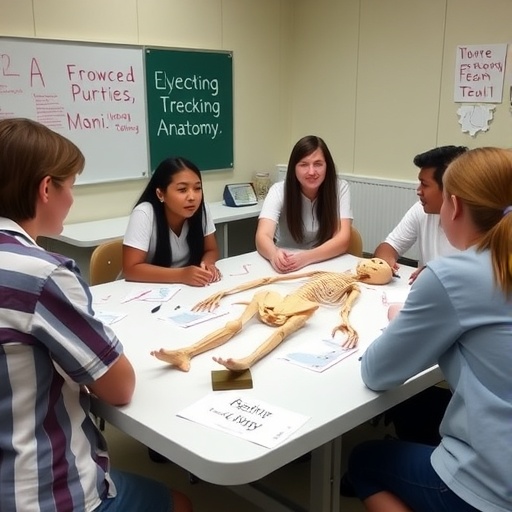
Students also noted that the Anatomage Table promoted collaborative learning. As they gathered around the table, they engaged in discussions, asked questions, and shared insights with their peers, fostering a sense of teamwork and community. This collaborative approach not only enhanced their learning experience but also reinforced the importance of working together in the healthcare field. By allowing students to teach and learn from one another, the Anatomage Table has the potential to build communication skills that are essential for future practitioners in a clinical setting.
Critically, the study examined the barriers that may hinder the integration of the Anatomage Table into routine anatomy education. While many participants endorsed the technology, some raised concerns regarding accessibility and affordability. The initial investment required to acquire an Anatomage Table can be substantial, posing challenges for institutions with limited resources. Additionally, the need for adequate training for both educators and students to maximize the use of this technology was mentioned as a critical factor. Institutions must prioritize training programs to ensure that their educators can effectively teach using the Anatomage Table, thereby enhancing its educational potential.
Interestingly, the study also explored the implications of adopting the Anatomage Table in diverse educational settings beyond traditional medical schools. The potential for vocational training programs and community health initiatives to incorporate this technology is significant. For instance, nursing and paramedic programs could benefit from the Anatomage Table, introducing students to anatomy in an engaging and efficient manner. Expanding access to such resources could ultimately lead to a more competent workforce, equipped with the knowledge and skills required to excel in patient care.
Despite the challenges identified, the overall consensus from the student feedback underscores a fundamental shift in how anatomy can be taught. As digital natives, many contemporary students find traditional methods uninspiring and disconnected from the realities of modern clinical practice. The Anatomage Table resonates with these students, allowing for a more interactive learning experience that reflects the technological advancements of the healthcare industry. In this way, the incorporation of such tools into medical education aligns with the digitalization trends observed across various sectors.
Moreover, the study serves as a critical reminder of the importance of student-centered learning approaches in medical education. By gathering and analyzing student opinions, educators can better understand the needs and preferences of their learners. This data-driven approach can inform curriculum design, resource allocation, and teaching methodologies, ultimately leading to more meaningful and enriching educational experiences.
In summary, the study of the Anatomage Table at the University of Rwanda highlights its potential to transform anatomy education through its interactive and immersive features. Student feedback overwhelmingly supports the efficacy of this technology in improving comprehension and engagement, albeit with considerations for accessibility and training. As medical education continues to adapt to meet the demands of modern healthcare, tools like the Anatomage Table may pave the way for a new era of learning that prioritizes depth of understanding, collaboration, and technological integration.
By embracing this change and advocating for innovative teaching methods, educators can empower future healthcare professionals to thrive in their practice and tackle the challenges of an increasingly complex medical landscape. As institutions grapple with resource limitations and evolving pedagogical paradigms, the conversation surrounding the implementation of advanced educational tools like the Anatomage Table will undoubtedly continue to gain momentum.
Ultimately, the evolution of anatomy education is not just about the incorporation of new technologies; it is about fostering a culture of inquiry, innovation, and adaptability within the medical community. The feedback from students at the University of Rwanda poses both challenges and opportunities for educators, advocacy for resources, and a commitment to continual improvement in teaching practices. As we look ahead, the way we understand and teach anatomy could very well define the future of healthcare education, ensuring that students are well-prepared to serve their communities with knowledge, skill, and compassion.
Archibong, V.B., Olorunnado, S., Mohammed, A. et al. Students’ opinions on the use of the anatomage table in anatomy learning at the University of Rwanda.
Discov Educ 4, 429 (2025). https://doi.org/10.1007/s44217-025-00840-9
Cite Scienmag News
Courtney Benton. (October 18, 2025). Students Share Views on Anatomage Table in Anatomy Class. Scienmag. https://scienmag.com/students-share-views-on-anatomage-table-in-anatomy-class/
Courtney Benton. "Students Share Views on Anatomage Table in Anatomy Class." Scienmag, 18 October 2025, https://scienmag.com/students-share-views-on-anatomage-table-in-anatomy-class/. Accessed 3 September 2026.
Courtney Benton. "Students Share Views on Anatomage Table in Anatomy Class." Scienmag. October 18, 2025. https://scienmag.com/students-share-views-on-anatomage-table-in-anatomy-class/


