


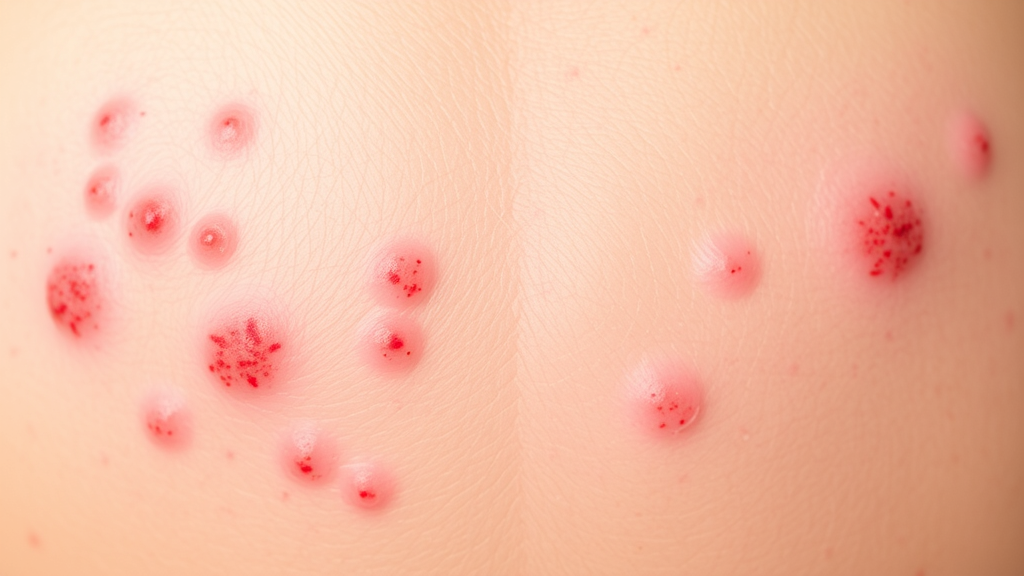
Polycystic ovary syndrome, or PCOS, has long been recognized as one of the most common endocrine disorders affecting women of reproductive age, characterized by irregular ovulation, elevated androgen levels, and polycystic ovarian morphology on ultrasound. Yet the syndrome’s reach extends far beyond the ovaries. Women with PCOS face elevated risks of metabolic dysfunction, including insulin resistance, obesity, and dyslipidemia, as well as psychological burdens such as anxiety and depression. Now, a large retrospective cohort study adds a new dimension to this picture: inflammatory skin disorders appear to occur at significantly higher rates in women with PCOS, reinforcing the idea that the condition is a systemic inflammatory state rather than a purely reproductive one.
The study, conducted by Amit Singal of Rutgers New Jersey Medical School and Shari R. Lipner of the Department of Dermatology at Weill Cornell Medicine, was published as a research letter in the Archives of Dermatological Research. The investigators drew on the TriNetX database, a vast federated network of de-identified electronic health records drawn from healthcare organizations, to compare the prevalence of inflammatory skin conditions among women diagnosed with PCOS against matched controls. Because the analysis relied exclusively on pre-existing, de-identified data compliant with the HIPAA de-identification standard, the study was exempt from informed consent requirements, and an institutional review board determination was not applicable.
The rationale for the investigation rests on a growing body of evidence implicating chronic low-grade inflammation as a central mechanism in PCOS pathophysiology. Prior systematic reviews and meta-analyses have documented elevated circulating levels of inflammatory markers such as C-reactive protein, tumor necrosis factor-alpha, and various interleukins in women with the syndrome. These mediators do not remain confined to the bloodstream; they can recruit immune cells to the skin, disrupt epidermal barrier function, and amplify the signaling cascades that drive chronic inflammatory dermatoses. From this vantage point, the skin is not merely a passive bystander but an active participant in the systemic inflammatory milieu that PCOS generates.
Earlier clinical observations had already hinted at the connection. A cross-sectional analysis published in Fertility and Sterility found that psoriatic patients carried an increased risk of being diagnosed with PCOS, suggesting that the association runs in both directions along the inflammatory axis. A separate case-control study reported an association between PCOS and atopic dermatitis, a condition increasingly understood as involving type 2 immune pathways and chronic skin barrier dysfunction. Meanwhile, a systematic review and meta-analysis in the Australasian Journal of Dermatology confirmed a consistent link between hidradenitis suppurativa, a debilitating inflammatory disease of hair follicles in intertriginous areas, and polycystic ovarian syndrome. What these studies shared was a limitation of scale: many relied on single-center cohorts, selected dermatology or endocrinology clinic populations, or modest sample sizes that constrained generalizability.
The new retrospective cohort design addresses that gap by leveraging population-scale data. Rather than recruiting individual patients, the researchers queried aggregated electronic health records spanning large and geographically diverse healthcare systems, allowing them to capture women who might never present to a specialist dermatology clinic. Such big-data approaches, while retrospective in nature, offer statistical power that individual clinical series cannot match. They also allow for the matching of exposed and unexposed cohorts on demographic variables such as age, race, and comorbid conditions, reducing the confounding that has complicated smaller studies of PCOS and skin disease.
From a mechanistic standpoint, several overlapping pathways plausibly connect PCOS to inflammatory skin disorders. Hyperandrogenism, the biochemical hallmark of the syndrome, stimulates sebaceous gland activity and follicular keratinization, creating microenvironments favorable to inflammation. Insulin resistance, present in a substantial fraction of PCOS patients even at normal body weight, drives compensatory hyperinsulinemia, which in turn suppresses hepatic production of sex hormone-binding globulin and further elevates free androgen levels while directly promoting inflammatory cytokine release. Adipose tissue itself, particularly visceral fat, acts as an endocrine organ secreting adipokines and pro-inflammatory adipocytokines that sustain a chronic inflammatory state. Finally, oxidative stress and alterations in the gut microbiome, both increasingly documented in PCOS, may further prime cutaneous immune responses.
The clinical implications of the association are potentially far-reaching. Dermatologists evaluating women with severe or refractory psoriasis, hidradenitis suppurativa, or atopic dermatitis may wish to consider screening for signs and symptoms of PCOS, particularly in patients with concomitant metabolic features such as central obesity or acanthosis nigricans. Conversely, endocrinologists and gynecologists managing PCOS should remain alert to inflammatory skin complaints that go beyond the classic dermatologic stigmata of the syndrome, such as hirsutism, acne, and androgenetic alopecia. Early recognition matters because both PCOS and its inflammatory skin comorbidities are tractable to intervention: metabolic lifestyle changes, insulin-sensitizing agents, hormonal therapies, and the modern armamentarium of biologic drugs can meaningfully alter disease trajectories on both fronts.
The study also speaks to a broader conceptual shift in medicine, one that dissolves the artificial boundary between gynecology, endocrinology, and dermatology. Women with PCOS have historically reported delays of years between symptom onset and diagnosis, in part because their complaints are dispersed across specialties that rarely communicate. When a patient’s acne or folliculitis is treated in isolation, or when irregular menses are attributed to stress without endocrine evaluation, the underlying syndrome can escape detection. Population-level evidence that PCOS clusters with immune-mediated skin disease gives clinicians a concrete, observable signal, the skin, that may prompt earlier investigation of a disorder whose reproductive manifestations can be subtle in its early years.
It is worth emphasizing what retrospective database studies can and cannot establish. Such analyses identify associations and generate hypotheses; they cannot definitively prove causation, and residual confounding by unmeasured variables, including medication use, smoking status, and healthcare utilization patterns, is always possible. Diagnostic coding within electronic health records may imperfectly reflect true clinical disease, and women with milder, undiagnosed PCOS may never appear in the exposed cohort at all. The authors of the study, who designed the project and conducted the statistical analysis together, present their findings as an epidemiological signal that warrants mechanistic follow-up and prospective confirmation, and they note no conflicts of interest beyond Lipner’s disclosed consulting relationships with pharmaceutical companies unrelated to the database itself.
Nevertheless, the study joins an accelerating line of research reframing PCOS as a multisystem inflammatory syndrome with consequences that extend across the lifespan, from reproductive health to cardiometabolic risk and now to chronic skin disease. For the millions of women worldwide living with PCOS, the message is one of validation and vigilance: symptoms that surface on the skin may be part of a larger, recognizable pattern, and that pattern is increasingly one the medical system can identify, study, and treat. For researchers, the challenge ahead is to disentangle which components of the PCOS inflammatory state, androgen excess, insulin resistance, adipose-derived cytokines, or something else entirely, drive the heightened burden of dermatologic disease, and to test whether treating PCOS itself can calm the inflamed skin. In the meantime, the convergence of gynecology and dermatology in large-scale health records data offers a template for discovering the systemic diseases hiding in plain sight at the interface of specialties.
Subject of Research: The association between polycystic ovary syndrome and inflammatory skin disorders in a large retrospective cohort.
Article Title: Inflammatory skin disorders in polycystic ovary syndrome: a retrospective cohort study
Article References: Singal, A., & Lipner, S. R. (2026). Inflammatory skin disorders in polycystic ovary syndrome: a retrospective cohort study. Archives of Dermatological Research, 318(1), Article 459. https://doi.org/10.1007/s00403-026-04962-4
Image Credits: AI Generated
DOI: 10.1007/s00403-026-04962-4
Keywords: polycystic ovary syndrome, PCOS, dermatology, inflammatory skin disorders, psoriasis, hidradenitis suppurativa, atopic dermatitis, chronic inflammation, hyperandrogenism, insulin resistance, retrospective cohort study, TriNetX
Cite Scienmag News
Phoebe Ingram. (September 22, 2026). Inflammatory Skin Disorders Found More Common in Women with Polycystic Ovary Syndrome. Scienmag. https://scienmag.com/inflammatory-skin-disorders-found-more-common-in-women-with-polycystic-ovary-syndrome/
Phoebe Ingram. "Inflammatory Skin Disorders Found More Common in Women with Polycystic Ovary Syndrome." Scienmag, 22 September 2026, https://scienmag.com/inflammatory-skin-disorders-found-more-common-in-women-with-polycystic-ovary-syndrome/. Accessed 4 October 2026.
Phoebe Ingram. "Inflammatory Skin Disorders Found More Common in Women with Polycystic Ovary Syndrome." Scienmag. September 22, 2026. https://scienmag.com/inflammatory-skin-disorders-found-more-common-in-women-with-polycystic-ovary-syndrome/


