


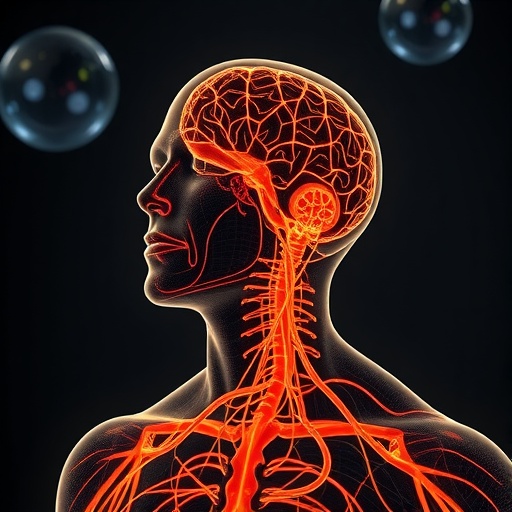
In an era where depression remains one of the most pervasive mental health disorders worldwide, emerging research continues to unravel the complex interactions within our bodies that may offer new treatment avenues. A groundbreaking study recently published in Translational Psychiatry has illuminated a remarkable connection between the vagus nerve, gut microbiota, and the antidepressant effects of a novel compound called ineupatorolide B. This discovery not only broadens the scientific understanding of depression but also signals new directions for therapeutic interventions targeting the gut-brain axis.
Depression’s multifaceted nature has long challenged researchers and clinicians alike. Traditionally, treatments have focused on modulating neurotransmitters in the brain, such as serotonin and dopamine. However, increasing evidence reveals that the gut-brain axis — a bidirectional communication pathway linking the central nervous system and the gastrointestinal tract — plays a critical role in regulating mood and behavior. The vagus nerve acts as a central highway in this communication chain, transmitting signals between the gut microbiota and the brain. New data suggests that manipulating this neural conduit might be key to unlocking novel antidepressant mechanisms.
At the core of the study by Wang and colleagues lies ineupatorolide B, a bioactive compound isolated from natural sources with previously unexplored neuropsychiatric potential. Using a well-validated mouse model of depression, the researchers meticulously demonstrated that administration of ineupatorolide B amends depressive-like behaviors, an effect intricately linked to alterations in the gut microbial community. The compound’s antidepressant actions were shown to be dependent on an intact vagus nerve, underscoring the impossibility of fully dissociating gut-brain interactions from mood regulation.
To induce depressive symptoms in mice, the team employed chronic stress paradigms mimicking real-world psychological stressors. Behavioral assessments post-treatment revealed notable improvements in exploratory behavior and reduced signs of despair, pointing to the efficacy of ineupatorolide B. Subsequent gut microbiota analyses uncovered a significant shift in microbial diversity and composition following treatment, characterized by an enrichment of beneficial bacterial taxa previously associated with anti-inflammatory and neuroprotective functions.
The vagus nerve, often described as the “information superhighway” of the parasympathetic nervous system, emerged as the linchpin in this neuro-gastrointestinal axis. When the researchers surgically severed or pharmacologically inhibited the vagus nerve, the antidepressant benefits of ineupatorolide B were abolished. This pivotal finding confirms that gut microbiota alterations alone are insufficient and must be coupled with vagus-mediated signaling to exert mood-enhancing effects, highlighting a complex neuroimmune dialogue.
Delving deeper, molecular and immunohistochemical analyses revealed that ineupatorolide B impacts systemic and neural inflammatory pathways. The compound reduced expression of pro-inflammatory cytokines within the hippocampus, a brain region critically implicated in mood disorders, while simultaneously fostering neurogenesis and synaptic plasticity. These neurobiological enhancements offer plausible mechanistic explanations for the behavioral improvements observed and reinforce the notion that inflammation is intricately tied to depression’s pathophysiology.
Perhaps most intriguingly, the study unveiled a specific pattern of microbial metabolites altered by ineupatorolide B treatment. These metabolites are hypothesized to cross the gut-blood barrier and act on vagal afferent fibers, modulating neuronal excitability and neurotransmitter release. Such findings cultivate an emerging paradigm where microbial metabolites are not mere byproducts but active signaling molecules intricately shaping the neurochemical milieu of the brain.
The implications of these findings ripple far beyond basic science. In clinical settings, harnessing vagus-dependent pathways could revolutionize antidepressant therapies by focusing on microbiota modulation rather than conventional neurotransmitter-targeted drugs, many of which suffer from delayed onset and limited efficacy. This research provides a compelling preclinical rationale for developing compounds that modulate gut-brain interactions more precisely and with fewer adverse effects.
Moreover, the identification of ineupatorolide B as a bioactive agent extends the possibilities of phytochemical and natural product libraries as untapped reservoirs for neuropsychiatric drug discovery. While still in early stages, translational efforts can now investigate whether such compounds, alone or in synergy with probiotic treatments, can elicit robust therapeutic outcomes in humans suffering from depression and related disorders.
Future inquiries will need to delineate the precise molecular receptors on vagal afferents activated by microbial metabolites induced by ineupatorolide B, a vital step toward targeted drug design. Additionally, unraveling the longitudinal effects and safety profiles of modulating the gut-brain axis via this compound will be essential in moving toward clinical applications.
Beyond depression, these insights may have broader implications for other neuropsychiatric and neurodegenerative diseases also characterized by gut dysbiosis and neuroinflammation, such as anxiety, Parkinson’s disease, and multiple sclerosis. As the field of psychobiotics burgeons, the vagus nerve stands out as a promising therapeutic target whose modulation could recalibrate the neural circuits governing emotion, cognition, and behavior.
The integration of microbiology, neurobiology, and pharmacology showcased in this study epitomizes the power of interdisciplinary science to unlock novel therapeutic pathways. Wang and colleagues’ work thus represents a beacon in personalized medicine strategies aimed at mental health, a field urgently craving innovation as global depression rates continue to climb amid societal challenges.
In summary, the discovery that ineupatorolide B’s antidepressant efficacy is mediated by vagus nerve-dependent modulation of gut microbiota ushers in a transformative perspective on depression treatment. By bridging peripheral microbial ecosystems with central nervous system function via neural pathways, this research redefines our understanding of depression’s origins and therapeutic targets, inspiring the next generation of holistic and targeted interventions for mental health.
As the scientific community rallies around the gut-brain axis, studies such as this underscore the necessity of viewing depression through a systemic lens, acknowledging the profound interplay between the body and mind. This conceptual shift stands poised to not only improve treatment outcomes but also destigmatize mental illness by emphasizing its biological complexity.
Ultimately, as neuroscience continues to unravel the enigmatic connections between microbiota, neural circuits, and behavior, hopes rise for innovative treatments grounded in nature’s own chemical repertoire. Ineupatorolide B shines as a fascinating candidate at this frontier, exemplifying the promise held by gut-mediated neuromodulation in conquering depression’s global burden.
Cite Scienmag News
Glenn Wilkins. (June 21, 2026). Ineupatorolide B Eases Depression via Vagus Nerve. Scienmag. https://scienmag.com/ineupatorolide-b-eases-depression-via-vagus-nerve/
Glenn Wilkins. "Ineupatorolide B Eases Depression via Vagus Nerve." Scienmag, 21 June 2026, https://scienmag.com/ineupatorolide-b-eases-depression-via-vagus-nerve/. Accessed 3 September 2026.
Glenn Wilkins. "Ineupatorolide B Eases Depression via Vagus Nerve." Scienmag. June 21, 2026. https://scienmag.com/ineupatorolide-b-eases-depression-via-vagus-nerve/


