


Research from the University of Houston indicates that more people smoke – and have trouble quitting – in neighborhoods where they feel unsafe. High crime rates, low police presence or trust, and a history of neglect in these neighborhoods result in heightened neighborhood vigilance among residents to protect against personal harm.

Credit: University of Houston
Research from the University of Houston indicates that more people smoke – and have trouble quitting – in neighborhoods where they feel unsafe. High crime rates, low police presence or trust, and a history of neglect in these neighborhoods result in heightened neighborhood vigilance among residents to protect against personal harm.
According to the Center for Disease Control and Prevention, the neighborhoods people live in have a major impact on their health and well-being, making them key non-medical drivers of care. Although non-medical drivers have increasingly been understood as clinically important factors in the onset, maintenance and relapse of substance use behavior, little research has evaluated neighborhood vigilance in terms of smoking.
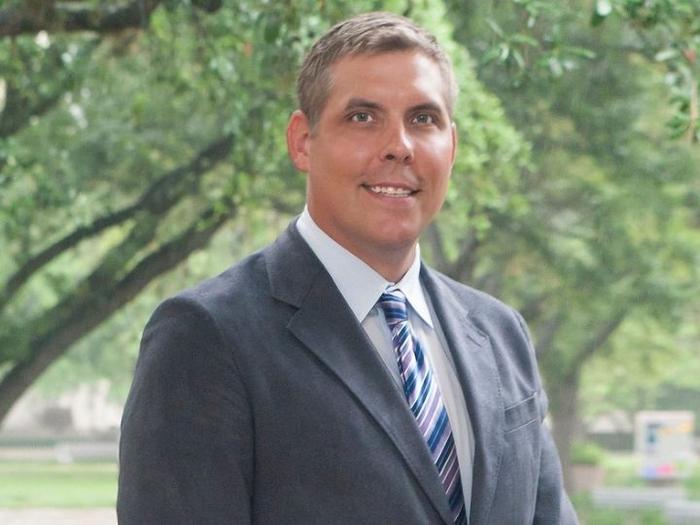
“High levels of neighborhood threat shape perceptions of powerlessness among residents, amplifying a general sense of mistrust, that can promote maladaptive coping behavior like smoking,” reports Michael J. Zvolensky, Hugh Roy and Lillie Cranz Cullen Distinguished University Professor of Psychology, in the journal Substance Use & Misuse.
Zvolensky examined the role of neighborhood vigilance in terms of smoking abstinence expectancies and severity of problems when trying to quit among adults who smoke. Abstinence expectancies pertain to the expected personal consequences of refraining from smoking.
“Neighborhood vigilance was also associated with more severe problems when trying to quit smoking. The current findings suggest neighborhood vigilance represents an important contextual factor involved in certain negative beliefs about abstinence and challenges in quitting.”
Participants in this analysis included 93 adult smokers who were seeking cessation treatment. Of the group 64.5% identified as Black or African American, 30.1% identified as White, 3.2% identified as Other and 2.2% identified as Asian. The group answered questions about their own socio-demographic characteristics and their neighborhoods.
“Generally consistent with prediction, greater levels of neighborhood vigilance were associated with negative abstinence smoking expectancies, including negative mood and harmful consequences,” said Zvolensky.
Zvolensky said the study indicates a need to continue building theoretical knowledge and clinical intervention programming for smoking cessation that more directly focuses on social context factors like neighborhood vigilance. His team includes Bryce K. Clausen, Justin M. Shepherd and Brooke Y. Redmond, all from UH.
Journal
Substance Use & Misuse
Article Title
Neighborhood Vigilance in Terms of Abstinence Expectancies for Smoking and Severity of Problems When Quitting
Article Publication Date
3-Jun-2024
Cite Scienmag News
Courtney Benton. (June 17, 2024). If you feel unsafe in your neighborhood, a new study shows you are more likely to smoke. Scienmag. https://scienmag.com/if-you-feel-unsafe-in-your-neighborhood-a-new-study-shows-you-are-more-likely-to-smoke/
Courtney Benton. "If you feel unsafe in your neighborhood, a new study shows you are more likely to smoke." Scienmag, 17 June 2024, https://scienmag.com/if-you-feel-unsafe-in-your-neighborhood-a-new-study-shows-you-are-more-likely-to-smoke/. Accessed 5 September 2026.
Courtney Benton. "If you feel unsafe in your neighborhood, a new study shows you are more likely to smoke." Scienmag. June 17, 2024. https://scienmag.com/if-you-feel-unsafe-in-your-neighborhood-a-new-study-shows-you-are-more-likely-to-smoke/

