


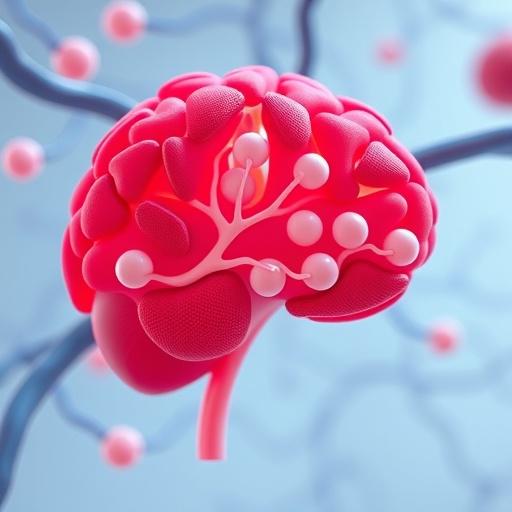
In a groundbreaking development poised to revolutionize liver disease research, scientists have engineered sophisticated human liver assembloids that mimic the intricate periportal architecture of native human liver tissue. This pioneering achievement provides a highly versatile, patient-specific in vitro platform that promises to advance our understanding of liver function, disease mechanisms, and therapeutic responses with unprecedented precision.
The liver, a complex organ fundamental to metabolism, detoxification, and bile secretion, relies on the meticulous organization and interaction of diverse cell types. Disruption of this cellular harmony frequently culminates in liver pathologies characterized by cholestasis, fibrosis, and ultimately cirrhosis or malignancies. Traditional models have struggled to faithfully recapitulate the spatial and functional complexity of human liver, particularly the periportal region, which harbors critical hepatocyte subpopulations interfacing with bile ducts and portal mesenchyme.
Addressing these challenges, the research team succeeded in cultivating long-term-expandable human hepatocyte organoids (h-HepOrgs) derived from adult patient liver biopsies. These organoids retain vital drug-metabolizing enzyme expression and can be propagated while preserving patient-specific genetic and metabolic traits, including variations in disease susceptibility loci. This marks a substantial advance towards personalized modeling of hepatic physiology and pathology.
Crucially, the researchers integrated h-HepOrgs with human cholangiocyte organoids (h-CholOrgs) and portal mesenchymal cells, architecting multi-lineage periportal liver assembloids that recapitulate key structural and functional features of the native tissue. These assembloids exhibit biliary canaliculi with morphology reflective of natural bile ducts alongside complex cellular interactions reminiscent of the periportal microenvironment, underscoring the fidelity of this model system.
At the cellular level, these assembloids display zonation-related hepatocyte gene expression heterogeneity, mirroring in vivo liver zonation patterns. This spatially organized gene expression is fundamental for hepatic metabolic compartmentalization and reflects the sophisticated tissue architecture that underpins liver function. Interestingly, variability in bile canalicular morphology among organoids from different patients hints at intrinsic interindividual differences, although further investigations are warranted to confirm these observations.
The interplay between hepatocytes, cholangiocytes, and portal mesenchymal cells within the assembloids suggests that direct cellular crosstalk may be sufficient to establish portal-region specific cellular identities. However, questions remain regarding whether initial hepatocyte subpopulation composition influences their responsiveness to microenvironmental cues that shape zonation and function. The team’s platform, described as modular and ‘self-organizing Lego-like,’ allows precise manipulation of individual cell types, enabling dissection of the molecular dialogues orchestrating human liver microarchitecture.
Beyond fundamental biology, these assembloids hold immense potential for translational research. By modulating the relative abundance of portal mesenchymal cells, the scientists generated assembloids that model key features of cholestatic liver disease and biliary fibrosis, diseases characterized by pathological bile accumulation and extracellular matrix remodeling. These disease-relevant models provide a valuable tool for probing fibrogenic signaling pathways and evaluating candidate antifibrotic therapies in a patient-specific context.
Nevertheless, the current model does not incorporate the full complexity of the periportal triad, notably lacking other mesenchymal subsets, immune populations, and vasculature elements such as the portal vein and hepatic artery. Inclusion of these components in future iterations will be essential to recapitulate the intricate multicellular milieu driving liver homeostasis and pathogenesis fully. Despite this limitation, the assembloids represent a significant leap toward robust human liver models.
The long-term expandability of h-HepOrgs with preserved drug metabolism and patient genetic diversity opens pathways for personalized toxicology and pharmacology studies. This platform could facilitate screening for idiosyncratic drug-induced liver injury and optimize therapeutic regimens tailored to individual metabolic capacities, a major step forward in precision medicine. Additionally, the potential for cellular transplantation strategies also emerges from this work, offering hope for regenerative therapies.
Mechanistic investigations leveraging this novel model could yield critical insights into how microenvironmental signals specify hepatocyte identity and maintain zonation in human liver, phenomena previously difficult to interrogate due to limited access to viable human tissue and inadequate in vitro models. The ability to systematically manipulate each cell type within a controlled setting introduces a powerful experimental paradigm for dissecting liver biology.
Moreover, the scalability and modularity of the assembloid system may expedite disease modeling across diverse patient populations, capturing the heterogeneity that defines human liver diseases. This aspect positions the technology as a valuable asset for comparative studies investigating genetic predispositions, environmental influences, and complex interactions underlying chronic liver conditions.
In summary, the establishment of human periportal liver assembloids combining patient-derived hepatocyte, cholangiocyte, and mesenchymal lineages constitutes a transformative platform. It enables not only fundamental elucidation of hepatic architecture and physiology but also advances personalized approaches to liver disease modeling, drug discovery, and potential regenerative medicine applications. This technology heralds a new era in the study and treatment of human liver diseases.
Cite Scienmag News
Denise Maddox. (December 18, 2025). Human Assembloids Model Periportal Liver In Vitro. Scienmag. https://scienmag.com/human-assembloids-model-periportal-liver-in-vitro/
Denise Maddox. "Human Assembloids Model Periportal Liver In Vitro." Scienmag, 18 December 2025, https://scienmag.com/human-assembloids-model-periportal-liver-in-vitro/. Accessed 4 September 2026.
Denise Maddox. "Human Assembloids Model Periportal Liver In Vitro." Scienmag. December 18, 2025. https://scienmag.com/human-assembloids-model-periportal-liver-in-vitro/


