


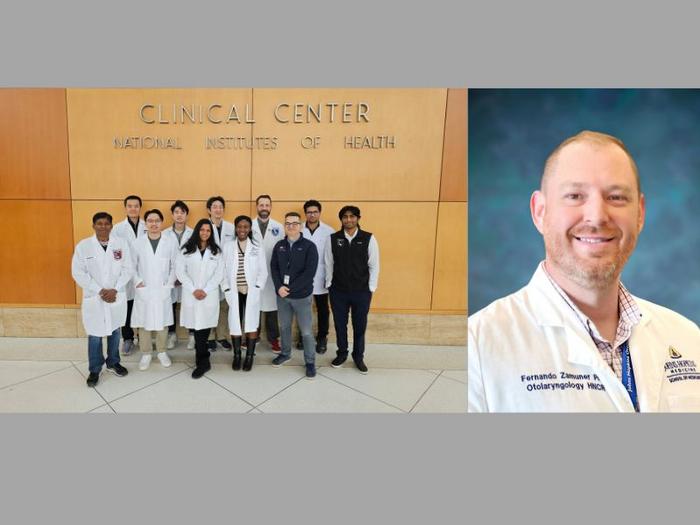
A groundbreaking study from Johns Hopkins University School of Medicine and the Johns Hopkins Kimmel Cancer Center has unveiled that human papillomavirus (HPV) plays a tumorigenic role in a subset of rare sinonasal squamous cell carcinomas (SNSCCs). This discovery not only clarifies the debated role of HPV in these tumors but also presents novel molecular targets and therapeutic possibilities. The comprehensive genomic analysis, partially supported by the National Institutes of Health, marks a significant milestone in understanding the origins and progression of SNSCCs, which have historically been poorly characterized due to their rarity and complex anatomical locale.
Sinonasal squamous cell carcinomas are extremely rare malignancies, occurring at an incidence rate of roughly three cases per million annually. Despite their scarcity, SNSCCs are clinically significant because their anatomical origins near sensitive structures such as the eyes and nasal passages allow tumors ample space to grow unnoticed, often leading to diagnosis at advanced stages. The overall five-year survival rate for SNSCC remains dismally around 50%, underscoring the urgent need for insights into tumor biology and potential intervention strategies.
HPV’s involvement in head and neck cancers has been well documented, particularly in oropharyngeal squamous cell carcinoma, where it is a major oncogenic driver. However, its role in SNSCC has been under debate, with some researchers postulating that HPV presence was incidental, a passive inhabitant rather than an active disease instigator. The Johns Hopkins investigation, led by associate professor Nyall London Jr., M.D., Ph.D., employed whole-genome sequencing to conduct the first comprehensive comparison between HPV-associated and HPV-independent SNSCCs, definitively demonstrating that HPV actively drives tumor biology in many SNSCC cases.
The research team analyzed tumor specimens from fifty-six patients diagnosed with SNSCC arising from the sinonasal cavity or the nasolacrimal duct, including matched normal DNA to identify somatic mutations. Thirty-seven of these samples exhibited HPV association, primarily localized to tumors originating in the nasal cavity, whereas HPV-independent tumors predominantly arose in the maxillary sinus. An interesting clinical observation was that patients with HPV-associated tumors tended to present with disease at a younger average age of approximately sixty years compared to sixty-six years for those with HPV-negative cancers.
Genomic profiling revealed starkly divergent mutational landscapes between HPV-associated and HPV-independent SNSCCs. The HPV-negative tumors commonly harbored mutations in classic oncogenic drivers such as TP53, NOTCH1, and KRAS, as well as alterations in CDKN2A and other genes implicating cell cycle regulation and structural integrity. Conversely, HPV-associated tumors frequently mutated genes involved in chromatin remodeling and epigenetic regulation, including KMT2D, FGFR3, KMT2C, GOLGA5, TET1, and ARID1B, highlighting a distinct oncogenomic pathway underpinning viral-driven carcinogenesis in the sinonasal tract.
The presence of hotspot mutations—those occurring at high frequency and conferring selective advantage—was confirmed chiefly in HPV-related SNSCCs. In particular, missense mutations like E542K and E545K in the PIK3CA gene were prominent, as were S249C mutations in FGFR3. These alterations lead to aberrant activation of the PI3K signaling pathway, a critical mediator of cell proliferation and survival. Notably, none of these hotspot mutations were detected in the HPV-independent cohort, further delineating the molecular divide between the two tumor types. Additionally, recurrent mutations not previously associated with other cancer types, such as KMT2C N729D and AP3S1 P158L, were identified exclusively in HPV-driven SNSCCs, suggesting unique mutational fingerprints.
Clinically relevant correlations emerged from the mutational analysis—mutations in TP53 among HPV-negative tumors predicted poorer overall survival, paralleling trends observed in other head and neck squamous cell carcinomas. Within the HPV-positive group, mutations in KMT2D and FGFR3 were similarly associated with worsened prognosis, emphasizing the clinical impact of these genetic aberrations. The study also reinforced the presence of a characteristic APOBEC mutational signature in HPV-driven SNSCCs, indicative of the action of specific cytidine deaminases that create a fingerprint unique to virally induced malignancies.
In addition to identifying genetic mutations, the researchers explored the functional pathways altered in these cancers. HPV-associated SNSCCs demonstrated heightened activity in both the PI3K and YAP/TAZ signaling pathways, which regulate cellular growth, survival, and mechanotransduction. HPV-independent tumors showed increased engagement of PI3K, as well as RAS and MYC pathways, underscoring differential oncogenic mechanisms. This dichotomy opens windows for targeted therapeutics tailored to tumor etiology.
Capitalizing on these insights, the team successfully established a novel cell line derived from a patient with HPV-associated SNSCC. They probed the therapeutic potential of pathway-specific inhibitors by administering alpelisib, a PI3K pathway blocker, alongside verteporfin, which inhibits the YAP/TAZ pathway. The combinatorial treatment produced a synergistic effect, markedly inhibiting tumor cell proliferation in vitro, highlighting promising avenues for dual-targeted therapy in HPV-driven sinonasal cancers.
The study’s authors caution that while the findings are compelling, validation in larger patient cohorts is necessary to fully comprehend the biological and clinical significance of the newly identified recurrent mutations. Nonetheless, the revelation of five previously undescribed mutations exclusive to HPV-associated SNSCC is a remarkable advance that could redefine molecular classification and treatment paradigms for these malignancies. Ongoing research efforts are aimed at elucidating the mechanistic roles and therapeutic exploitable vulnerabilities linked to these alterations.
Parallel investigations are underway to examine behavioral and epidemiological factors influencing HPV presence in sinonasal tumors, potentially offering preventive insights. As the molecular taxonomy of SNSCC becomes clearer, the integration of genomic data with epidemiology and clinical characteristics promises to refine diagnosis, prognosis, and personalized treatment strategies for this rare but formidable cancer subclass.
This study received funding from the NIH’s Intramural Research Program, the Center for Cancer Research and National Cancer Institute, and Merck Sharp & Dohme LLC. It represents a collaborative effort involving researchers from Johns Hopkins University, the National Cancer Institute, University of California San Diego Health, and Harvard Medical School, jointly propelling our understanding of HPV’s oncogenic role beyond the oropharynx and into the sinonasal milieu.
News Publication Date: June 11, 2025
Web References:
- Johns Hopkins University School of Medicine: https://www.hopkinsmedicine.org/som/
- Johns Hopkins Kimmel Cancer Center: https://www.hopkinsmedicine.org/kimmel-cancer-center
- Nature Communications article: https://www.nature.com/articles/s41467-025-59409-7
References:
- Prior HPV association study: https://pmc.ncbi.nlm.nih.gov/articles/PMC7286346/
- SNSCC incidence study: https://onlinelibrary.wiley.com/doi/10.1002/lary.24264
Cite Scienmag News
Nathaniel Bowman. (June 11, 2025). HPV Identified as Key Driver in Tumor Formation of Rare Nasal Cancers. Scienmag. https://scienmag.com/hpv-identified-as-key-driver-in-tumor-formation-of-rare-nasal-cancers/
Nathaniel Bowman. "HPV Identified as Key Driver in Tumor Formation of Rare Nasal Cancers." Scienmag, 11 June 2025, https://scienmag.com/hpv-identified-as-key-driver-in-tumor-formation-of-rare-nasal-cancers/. Accessed 4 September 2026.
Nathaniel Bowman. "HPV Identified as Key Driver in Tumor Formation of Rare Nasal Cancers." Scienmag. June 11, 2025. https://scienmag.com/hpv-identified-as-key-driver-in-tumor-formation-of-rare-nasal-cancers/


