


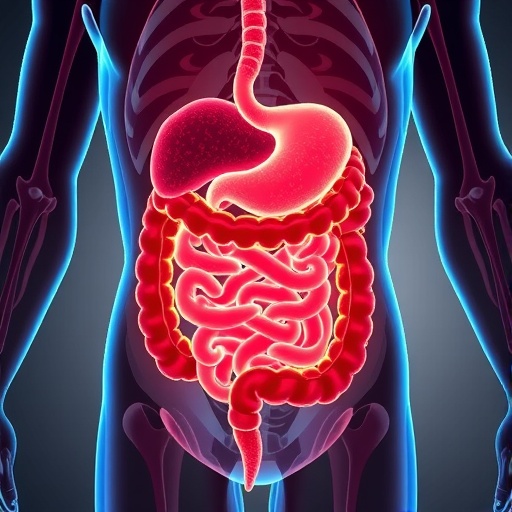
Chronic inflammation has long been recognized as a pivotal contributor to cancer development, yet the mechanistic pathways bridging persistent inflammatory states and tumorigenesis remain incompletely understood. A recent breakthrough study published in Nature by a collaborative team led by researchers at the Broad Institute and Harvard University sheds light on this complex relationship, revealing that chronic intestinal inflammation imprints durable epigenetic modifications on gut cells. These molecular “scars,” detectable even after apparent tissue healing, may predispose affected cells to accelerated cancer growth when compounded by genetic mutations.
The study utilized sophisticated experimental models in mice to investigate how colitis, a form of chronic inflammation of the colon, influences the epigenomic landscape of intestinal epithelial cells. Notably, the researchers developed an innovative multi-omic single-cell technique, enabling simultaneous quantification of gene expression states, chromatin accessibility, and lineage tracing within individual cells. This approach allowed them to map not only the functional genomic status but also the clonal architecture of the colon’s cellular populations following inflammation.
Strikingly, although overt signs of inflammation resolved and gene expression profiles appeared normalized, certain DNA regulatory regions retained increased accessibility, indicating an epigenetic “memory” of prior inflammatory insults. This persistence of epigenetic alterations was most prominent in colonic stem cells, which are responsible for generating the entire replenishing cell population of the gut epithelium. The longevity of this epigenetic remodeling allows the transmission of these changes across multiple generations of cells, perpetuating a cellular environment primed for neoplastic transformation.
To elucidate the functional consequences of this epigenetic memory, the team introduced well-characterized cancer-promoting mutations into the intestinal tissues. Tumors arising within previously inflamed tissues exhibited markedly accelerated growth kinetics and larger mass compared to tumors initiated in inflammation-naïve tissues. Molecular profiling revealed activation of cancer-related gene networks whose regulatory regions had been rendered more accessible by the epigenetic scars incurred during inflammation. These findings provide compelling evidence for a two-hit oncogenic model, whereby chronic inflammation establishes a foundational epigenomic milieu that predisposes cells to malignant progression upon acquisition of genetic mutations.
The implications of such a durable epigenetic imprint in cancer biology are profound, challenging the conventional gene-centric paradigm and underscoring the significance of cellular history and context. As senior author Jason Buenrostro elucidates, “It’s not just about which mutations a cell harbors, but also how previous exposures, such as inflammation, have remodeled its regulatory circuitry.” This paradigm shift could redefine approaches to cancer risk assessment, early detection, and targeted interventions.
Colorectal cancer incidence has alarmingly increased in younger populations globally over recent decades, a rise suspected to relate more to environmental and lifestyle factors than classical inherited genetic predispositions. Epigenetic mechanisms provide an attractive explanatory framework, as they can encode transient exposures into heritable cellular states influencing disease susceptibility over long time spans. The study’s revelation that diet, lifestyle, infections, or subclinical inflammation occurring in early life may leave lasting epigenetic marks aligns with epidemiological observations linking early-life factors to later cancer risk.
Beyond mechanistic insights, the authors propose translational avenues stemming from these discoveries. Identification of epigenetic scars in cells shed into stool samples could facilitate non-invasive biomarker development, enhancing early colorectal cancer risk stratification. Furthermore, therapeutic strategies aiming to erase or modulate detrimental epigenetic memory hold promise for intercepting tumorigenesis before irreversible genetic alterations accumulate. These avenues could herald a new era of precision prevention and intervention guided by epigenomic profiling.
The research exemplifies the power of integrating cutting-edge single-cell multi-omics with classical oncogenic models to unravel the interplay between environment, epigenetics, and cancer. The ability to trace clonal lineage alongside functional genomic states affords unprecedented resolution in mapping the temporal dynamics of epigenetic remodeling and tumor initiation. Such methodological advancements portend wider applications across diverse cancer types and inflammatory conditions.
This work emerges within the framework of Cancer Grand Challenges’ PROSPECT team, which tackles the enigmatic rise in early-onset colorectal cancer through an interdisciplinary international consortium. Funded by leading cancer research organizations including Cancer Research UK, the US National Cancer Institute, and the French National Cancer Institute, the study exemplifies how coordinated global efforts can accelerate breakthroughs in tackling complex diseases.
In summation, the study establishes chronic inflammation not merely as a transient insult but as a catalyst that reprograms intestinal stem cell epigenomes, engendering a lasting oncogenic potential. The demonstration of inflammation-induced epigenetic memory adds a critical layer to our understanding of colorectal carcinogenesis and opens new horizons for innovative diagnostics and therapies aimed at cancer prevention. As the field embraces this expanded view of tumor etiology, the integration of epigenetic information promises to enrich the predictive and therapeutic landscape of oncology.
News Publication Date: March 25, 2026
Web References:
https://doi.org/10.1038/s41586-026-10258-4
References:
Nagaraja S, et al. Epigenetic memory of colitis promotes tumour growth. Nature. 2026.
Cite Scienmag News
Nathaniel Bowman. (March 25, 2026). How Inflammation Can Set the Stage for Cancer Development in the Gut. Scienmag. https://scienmag.com/how-inflammation-can-set-the-stage-for-cancer-development-in-the-gut/
Nathaniel Bowman. "How Inflammation Can Set the Stage for Cancer Development in the Gut." Scienmag, 25 March 2026, https://scienmag.com/how-inflammation-can-set-the-stage-for-cancer-development-in-the-gut/. Accessed 6 September 2026.
Nathaniel Bowman. "How Inflammation Can Set the Stage for Cancer Development in the Gut." Scienmag. March 25, 2026. https://scienmag.com/how-inflammation-can-set-the-stage-for-cancer-development-in-the-gut/


