


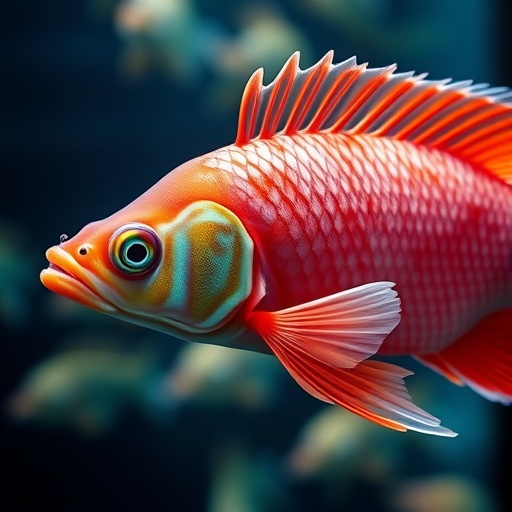
In recent studies, a remarkable phenomenon has captivated the attention of marine biologists: the ability of certain fish species to undergo sex change. Among these fascinating examples is the harlequin sandsmelt, scientifically known as Parapercis pulchella. This species is particularly notable for its unique capacity to transition from female to male, a process that involves intricate biological and histological changes. Such transformations pose interesting questions about the underlying mechanisms that enable this remarkable adaptability in the face of environmental and social triggers.
The research conducted by Yao, Noguchi, Kohtsuka, and colleagues provides deep insights into the histological alterations that accompany the formation of ovotestes during the sex change in harlequin sandsmelts. An ovotestis is a reproductive organ containing both male and female germ cells, a phenomenon that can contribute to the versatility and reproductive success of individuals in fluctuating social environments. This study paves the way for further understanding of the ecological and evolutionary implications of sex changes in fish populations.
Histologically, the transition involves a significant reorganization of gonadal tissues. Initially, the ovary exhibits typical female features, including primary oocytes and various stages of oocyte development. However, as the individuals initiate the transition to male, various cellular and structural modifications occur. The ovarian tissue begins to transform, with certain oocytes undergoing atresia—the process of degeneration—and the appearance of spermatogenic cells, which are essential for male fertility.
One of the key findings from the research is the progressive nature of these histological changes, suggesting that the transformation is not instantaneous but rather occurs over a specified timeframe. This gradual transition allows for a more nuanced understanding of the plasticity of gonadal development in fish. The role of environmental factors such as population density and social hierarchies can significantly influence this process, acting as triggers for sex change. This indicates that fish possess a sophisticated biological response system to environmental cues, ensuring reproductive success in changing habitats.
Furthermore, hormone regulation plays a crucial role in facilitating these transitions. The study uncovers the interplay between gonadal hormones and the expression of specific genes involved in sex determination. In particular, the increase in androgen levels appears to correlate with the onset of spermatogenesis, while the presence of estrogen is necessary for maintaining female characteristics in the gonads. This hormonal interplay opens avenues for further research into the endocrine control of sexual differentiation in aquatic species.
The authors employed advanced histological techniques, which provided a clear visualization of the cellular architecture within the gonads at various stages of transition. Through the use of staining methods and microscopy, they meticulously documented the transformation of the testicular and ovarian structures, illustrating the dynamic nature of gonadal development in the harlequin sandsmelt. Visual evidence of these changes enhances our understanding of the complexities involved in sex determination and differentiation in teleost fishes.
By examining the ecological context of the harlequin sandsmelt’s sex change, this research highlights potential advantages in a changing environment. As social structures shift, the ability to change sex can lead to an increase in reproductive opportunities, particularly in populations where females are more numerous than males. This adaptability may serve as a survival strategy, allowing individuals to optimize breeding success and ensure the continuation of their genetic lineage.
The implications of these findings extend beyond the harlequin sandsmelt, providing insight into the broader patterns of sexual plasticity observed in various fish species. Understanding the mechanisms of sex change could have significant ramifications in the context of conservation biology, especially in an era where marine ecosystems are increasingly threatened by climate change and human activities. As researchers seek to unravel the biological complexities of such adaptations, the potential for species survival and resilience in fluctuating environments becomes increasingly clear.
As the scientific community continues to explore the phenomenon of sex change in fish, researchers like Yao and his team contribute to a growing body of literature that elucidates the underlying biological principles. Their findings underscore the importance of interdisciplinary approaches, combining molecular biology, ecology, and evolutionary theory to paint a comprehensive picture of how organisms navigate the intricacies of reproduction and survival.
The harlequin sandsmelt’s ability to exhibit sexual plasticity serves not only as a subject of scientific inquiry but also as a reminder of the intricacies of life under the sea. With ongoing studies, we anticipate new discoveries that will shed further light on the environmental, genetic, and hormonal factors that govern these remarkable transformations. As this research gains momentum, we forge ahead in our understanding of the natural world, opening doors to innovative conservation strategies that honor the resilience of these fascinating marine species.
Given this research’s revolutionary contributions to our understanding of fish biology, it underscores the necessity for continued exploration and support for marine science. As we deepen our knowledge of ecological adaptability and resilience through studies like these, we must also advocate for the protection of habitats essential for the survival of species capable of such remarkable transformations.
In conclusion, the study of the harlequin sandsmelt adds a significant chapter to our understanding of sexual plasticity in aquatic ecosystems. Through meticulous observation and analysis, this work not only informs scientific inquiry but also encourages broader discussions regarding species adaptability and the implications of environmental changes for marine biodiversity. The journey into the depths of fish physiology and behavior promises continued excitement and discovery as we venture further into the mysteries of sexual differentiation in the animal kingdom.
Yao, A., Noguchi, F., Kohtsuka, H. et al. Histological transition during ovotestis formation in a female-to-male sex-change fish, the harlequin sandsmelt (Pinguipedidae: Parapercis pulchella).
Sci Nat 113, 12 (2026). https://doi.org/10.1007/s00114-026-02067-6
Cite Scienmag News
Drew Townsend. (January 15, 2026). Histological Changes During Fish Sex Change Unveiled. Scienmag. https://scienmag.com/histological-changes-during-fish-sex-change-unveiled/
Drew Townsend. "Histological Changes During Fish Sex Change Unveiled." Scienmag, 15 January 2026, https://scienmag.com/histological-changes-during-fish-sex-change-unveiled/. Accessed 4 September 2026.
Drew Townsend. "Histological Changes During Fish Sex Change Unveiled." Scienmag. January 15, 2026. https://scienmag.com/histological-changes-during-fish-sex-change-unveiled/


