

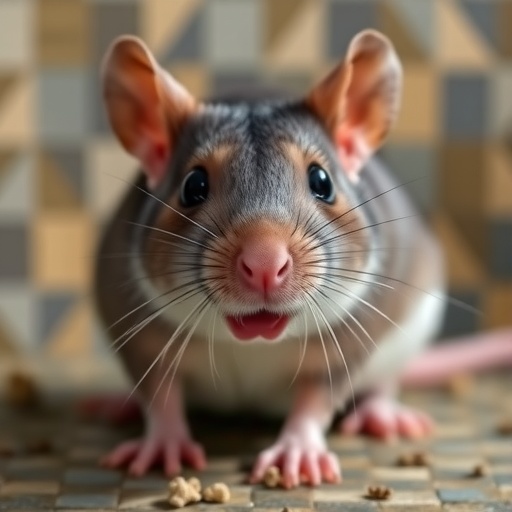
In a groundbreaking study published in BMC Complementary Medicine and Therapies, researchers have explored the therapeutic potential of Hippophae rhamnoides, commonly known as sea buckthorn, in addressing Hydroxychloroquine-induced stomatitis in rats. Hydroxychloroquine, a drug frequently used in treating autoimmune diseases and malaria, has been associated with various side effects, one of which is oral stomatitis—a painful condition characterized by inflammation of the mucous membranes in the mouth. This research sheds light on a natural intervention that may mitigate such adverse effects, shining a spotlight on the intersection of traditional medicine and modern pharmacology.
Stomatitis can significantly impact the quality of life for patients undergoing treatment with Hydroxychloroquine. Symptoms often include sores on the gums and mucous membranes, leading to difficulty in eating, speaking, and maintaining oral hygiene. The search for effective adjunct therapies to alleviate these side effects has prompted investigations into the properties of numerous natural substances. Among these, Hippophae rhamnoides stands out due to its rich nutrient profile, boasting high concentrations of vitamins, minerals, and bioactive compounds.
The study employed a controlled experimental design involving the administration of Hydroxychloroquine to several groups of rats, with a separate group receiving Hippophae rhamnoides extract. Conducted in a laboratory setting, the aim was to assess both the protective and therapeutic efficacy of the sea buckthorn extract against the inflammation and pain associated with induced stomatitis. Notably, the research highlights the necessity of understanding such herbal interventions in not only managing side effects but also potentially enhancing the overall therapeutic outcomes of the primary medication.
A series of assessments were made throughout the study, including biochemical evaluations and histopathological examinations. The researchers meticulously documented changes in the rats’ oral tissues, focusing on markers of inflammation and oxidative stress. This level of scrutiny is essential for establishing a comprehensive understanding of Hippophae rhamnoides’ effects on Hydroxychloroquine-induced damage. Analyzing the biochemical pathways impacted by both the drug and the extract provided valuable insights into how such natural compounds might counteract adverse effects.
Findings from the study suggested that Hippophae rhamnoides possess significant anti-inflammatory and antioxidant properties. These characteristics are believed to play a crucial role in mitigating the mucosal damage caused by Hydroxychloroquine. Moreover, the extract appeared to enhance the regeneration of oral tissues, fostering a quicker recovery for the subjects in the treatment group. Such outcomes underscore the potential of integrating herbal remedies into conventional treatment protocols, particularly in regard to chronic conditions requiring long-term medication.
Importantly, the results also raise questions about the broader implications of using natural substances alongside prescription medications. While Hydroxychloroquine is generally considered safe, the study emphasizes the importance of monitoring side effects closely. With more individuals relying on such medications, especially amid the continued prevalence of autoimmune disorders, innovative studies like this can steer future therapeutic strategies towards a more integrative approach.
The researchers also touched on the cultural and historical significance of Hippophae rhamnoides. Known for thousands of years in traditional medicine, this plant has been employed for various health benefits, including skin conditions and immune support. By scientifically validating these age-old claims, contemporary research may not only elevate the status of this traditional remedy but also promote its use in modern clinical settings.
As medical practitioners increasingly consider integrative approaches to healthcare, studies that bridge the traditional and scientific realms become more crucial. The findings from this research serve as a stepping stone for additional inquiries into how phytotherapeutics can enhance the efficacy of existing pharmaceuticals. By addressing both treatment efficacy and side effect management, healthcare providers may find themselves better equipped to support patient wellness.
In conclusion, the study conducted by Dilber and colleagues not only illustrates the potential of Hippophae rhamnoides as an effective natural ally in the face of Hydroxychloroquine-induced stomatitis but also encourages further exploration into the myriad ways traditional medicines can complement modern therapies. As the medical community continues to embrace the benefits of integrative treatment strategies, research like this will be indispensable in paving the way for holistic patient care.
As researchers continue to investigate the mechanisms behind the beneficial effects of Hippophae rhamnoides, a deeper understanding of its properties may lead to enhanced formulations and treatment options. Whether through oral supplements, topical applications, or other delivery methods, harnessing the power of natural compounds could transform therapeutic landscapes and improve patient compliance.
In anticipation of further studies, it is vital to continue documenting the efficacy and safety profiles of such natural interventions. As the field advances, interdisciplinary collaborations between herbalists, pharmacologists, and clinicians may yield promising developments, ultimately benefiting patient populations worldwide. Given the preliminary insights gained from this investigation, addressing Hydroxychloroquine-induced stomatitis through Hippophae rhamnoides could mark a significant step in the journey towards more comprehensive patient-centered care.
While the current study focused on rats, future research is necessary to evaluate the applicability of these findings in human populations. Conducting clinical trials will help ascertain the safety and effectiveness of Hippophae rhamnoides in various demographics, fostering a greater acceptance of herbal medicine in conventional medical practices. As the dialogue around integrative healthcare continues, this research advocates for a harmonious coexistence of science and tradition, driving forward our understanding of health and healing.
The promising outcomes of this study highlight a potential paradigm shift, encouraging both researchers and healthcare practitioners to rethink their approaches toward managing medication side effects. By incorporating the wisdom of traditional healing practices alongside modern therapeutics, the medical community can strive to enhance patient outcomes while honoring the time-honored remedies that have benefited humanity for centuries.
Ultimately, the effectiveness of Hippophae rhamnoides in this context opens the door to a broader inquiry into the role of herbal medicine in contemporary healthcare. As discussions about integrative approaches gain momentum, the outcomes of this research will undoubtedly serve as a catalyst for transformative practices, setting the stage for a future in which both conventional and alternative treatments coexist and collaborate in the promotion of health and well-being.
Subject of Research: The effect of Hippophae rhamnoides on Hydroxychloroquine-Induced stomatitis in rats.
Article Title: The effect of Hippophae rhamnoides on Hydroxychloroquine-Induced stomatitis in rats.
Article References:
Dilber, M., Suleyman, Z., Yucel, N. et al. The effect of Hippophae rhamnoides on Hydroxychloroquine-Induced stomatitis in rats.
BMC Complement Med Ther (2025). https://doi.org/10.1186/s12906-025-05193-2
Image Credits: AI Generated
DOI: 10.1186/s12906-025-05193-2
Keywords: Hippophae rhamnoides, Hydroxychloroquine, stomatitis, anti-inflammatory, herbal medicine, integrative medicine.


