


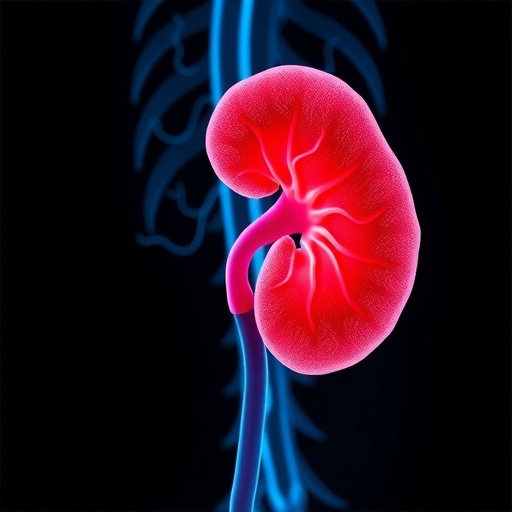
In recent scientific discourse, the exploration of microRNAs (miRNAs) has surged in prominence, particularly regarding their intricate roles in various pathophysiological conditions. A novel study sheds light on miR-302a-3p, specifically its dysregulation in the context of diabetic nephropathy and how it contributes to inflammatory responses within this debilitating condition. This research, spearheaded by Lv, Zhang, and Luo, presents fascinating insights that could pave the way for innovative therapeutic strategies in managing diabetic complications.
Diabetic nephropathy, a frequent and severe complication of diabetes, is characterized by progressive kidney damage leading to end-stage renal disease. In this study, the authors meticulously addressed how the dysregulation of miR-302a-3p correlates closely with the pathogenesis of diabetic nephropathy. Their findings elucidate the complex interplay between miRNAs and the inflammatory processes that exacerbate renal injury, suggesting that miR-302a-3p might serve as a critical biomarker for the progression of this disease.
MiRNAs, the small non-coding RNA molecules, play prominent regulatory roles in gene expression, influencing various biological processes including cellular proliferation, differentiation, and apoptosis. In the case of diabetic nephropathy, the dysregulation of specific miRNAs has been implicated in the modulation of inflammatory pathways, highlighting the need for a deeper understanding of these regulatory networks. The focus on miR-302a-3p unveils a potential therapeutic target, providing new avenues for intervention that may mitigate the inflammatory responses characteristic of diabetic nephropathy.
The study showcases the methodology employed to measure the expression levels of miR-302a-3p in renal tissues from diabetic models. Through rigorous experiments, the researchers observed marked alterations in the levels of miR-302a-3p, linking its reduced expression to heightened inflammatory markers and renal injury. This correlation offers compelling evidence that targeting miR-302a-3p could be a viable strategy in curbing the inflammatory processes that contribute to progressive kidney damage seen in diabetic patients.
Furthermore, the authors examined the downstream effects of miR-302a-3p on various signaling pathways known to be involved in inflammation. They identified that the dysregulation of this specific miRNA leads to the upregulation of pro-inflammatory cytokines, substantiating a direct link between miR-302a-3p and enhanced inflammatory activity within the kidneys. These findings elucidate the crucial role of miR-302a-3p not only as a biomarker but as a functional participant in the pathophysiology of diabetic nephropathy.
Additionally, the potential for miR-302a-3p as a therapeutic target is underscored by the preliminary therapeutic interventions tested in this research. Utilizing both in vitro and in vivo models, the authors explored the administration of miRNA mimics to restore normal function. The promising results demonstrated a reversal of inflammatory markers and an improvement in renal function parameters, suggesting that augmenting miR-302a-3p levels could indeed provide a protective effect against the deleterious consequences of diabetes on kidney health.
As the study progresses to preclinical trials, the implications are profound. If miR-302a-3p can be successfully harnessed to mitigate inflammation in diabetic nephropathy, it could herald a new era of treatment options for patients who currently face limited therapeutic avenues. The importance of this research extends beyond just diabetes, touching on broader aspects of chronic inflammatory diseases that may also benefit from similar miRNA-targeted approaches.
The potential for translating these findings into clinical practice continues to drive interest in the role of miRNAs in disease modulation. As scientists and clinicians further explore the nuances of miRNA biology, it is plausible that future therapies could focus on fine-tuning the expression of specific miRNAs to achieve desired therapeutic outcomes. This could revolutionize the management of diabetic nephropathy and other chronic conditions where inflammation plays a critical role.
In conclusion, the research on miR-302a-3p illuminates a significant facet of diabetic nephropathy, offering not just insights into the underlying mechanisms but also promising pathways for intervention. The link between miRNA dysregulation and inflammatory responses underscores the potential for miR-302a-3p to serve as both a biomarker and a therapeutic target. As further investigations unfold, we may witness a transformative shift in the management of diabetic complications, marking an important milestone in the quest for improved patient outcomes.
This study exemplifies the dynamic nature of research at the intersection of molecular biology and clinical application, encouraging ongoing dialogue among researchers about the therapeutic promises held by miRNAs. With the ever-evolving understanding of gene expression regulation via miRNAs, the future looks brighter for patients grappling with the complexities of diabetic nephropathy. As we advance our knowledge in this domain, the integration of molecular insights into clinical settings will remain paramount in addressing the global burden of diabetes and its associated complications.
Furthermore, the research opens avenues for collaborative efforts among scientists, clinicians, and the pharmaceutical industry. The collective aim towards harnessing miRNA-based therapies could lead to the development of more effective and tailored treatment options that transcend the limitations of current therapies. As we strive for innovation in medical science, studies like these play a crucial role in steering the direction of future research and application, ultimately benefiting countless individuals affected by chronic diseases such as diabetes.
The importance of disseminating these findings cannot be overstated. As these insights reach broader audiences, they stimulate interest and investment in further research. The scientific community, healthcare providers, and patients all stand to gain from a deeper understanding of the role of miR-302a-3p in diabetic nephropathy. By fostering an environment where cutting-edge research translates into practical applications, we can aspire to significantly alter the trajectory of this insidious disease.
While the journey from bench to bedside is fraught with challenges, the potential rewards are immense. The exploration of miRNAs, particularly miR-302a-3p, heralds a promising chapter in the ongoing narrative of diabetic nephropathy research. Through perseverance and continued inquiry, we may soon find ourselves in a position to radically improve the quality of life for those living with diabetes, ensuring that inflammatory complications such as nephropathy become manageable, if not preventable, in light of novel therapeutic advancements.
Lv, L., Zhang, X. & Luo, G. Dysregulation of miR-302a-3p in diabetic nephropathy and its role in inflammatory response.
BMC Endocr Disord 25, 233 (2025). https://doi.org/10.1186/s12902-025-02051-7
Cite Scienmag News
Juliet Wilcox. (December 12, 2025). miR-302a-3p Dysregulation Linked to Diabetic Nephropathy. Scienmag. https://scienmag.com/mir-302a-3p-dysregulation-linked-to-diabetic-nephropathy/
Juliet Wilcox. "miR-302a-3p Dysregulation Linked to Diabetic Nephropathy." Scienmag, 12 December 2025, https://scienmag.com/mir-302a-3p-dysregulation-linked-to-diabetic-nephropathy/. Accessed 4 September 2026.
Juliet Wilcox. "miR-302a-3p Dysregulation Linked to Diabetic Nephropathy." Scienmag. December 12, 2025. https://scienmag.com/mir-302a-3p-dysregulation-linked-to-diabetic-nephropathy/


