


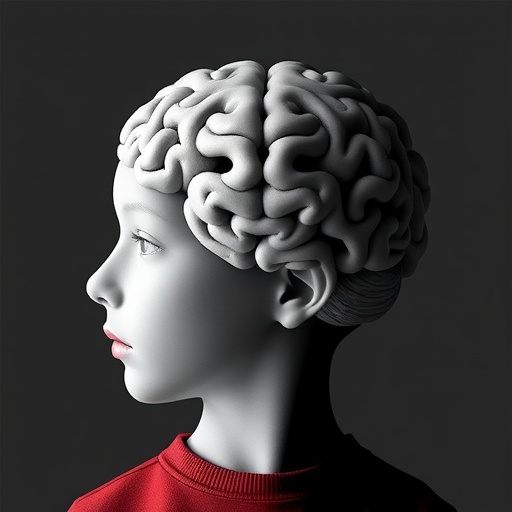
A large new study has taken aim at a long-observed puzzle in child mental health: why some children diagnosed with ADHD also show relatively high intelligence. Rather than treating “IQ” as a single, overarching explanation, researchers report a more nuanced pattern in which cognitive ability can separate into distinct influences on ADHD-related traits. The findings come from a cohort of 5,138 children and appear in Translational Psychiatry.
The team investigated whether higher IQ in ADHD is associated with improvements in symptom expression—or whether it changes the balance between different behavioral domains. Using behavioral measures alongside cognitive and brain-focused data, the analysis tested the idea that attention problems and impulsivity may not follow the same developmental rules. In other words, “high IQ” might not simply raise or lower ADHD overall; it could reshape specific components of the disorder.
Results suggest a paradox: elevated IQ did not uniformly diminish ADHD features. Instead, the study indicates dissociable effects, meaning that inattention and impulsivity show different relationships with IQ-linked cognitive factors. This helps explain why some children can perform well on certain reasoning tasks while still struggling to sustain attention or regulate actions in real time.
The researchers used a multilevel framework to connect individual differences in cognition with symptom profiles. They also emphasized that brain measures can align with these separable patterns, offering a mechanistic route to the behavioral outcomes. In this view, intelligence-related strengths may buffer some processes while leaving others vulnerable.
Attention problems and impulsivity may therefore be partially supported by different underlying mechanisms, even when both are present in the same diagnosis. The study reframes “paradoxical high IQ” as a scenario where cognitive capacity interacts with ADHD pathology in distinct, domain-specific ways. This shift could influence how clinicians interpret test results and how researchers model ADHD heterogeneity.
Importantly, the work reinforces the value of treating ADHD as more than a single symptom cluster. By mapping how cognitive traits relate separately to inattention and impulsivity, the study supports a precision approach: identifying which children may benefit from cognitive or educational strategies tailored to their dominant difficulties.
As the debate over ADHD and intelligence evolves, these data add fresh evidence that high IQ does not negate ADHD. Instead, it may reconfigure symptom expression, producing a profile where strengths and challenges coexist in non-identical forms. For families and educators, the message is clear: intelligence test scores should not be used as a simple “rule-out” for ADHD—but as a clue to the specific patterns that matter most.
The study’s scale and multimodal approach make it a compelling contribution to viral science news, highlighting how complex neurodevelopment can defy single-number explanations. Future longitudinal work will be needed to determine how these relationships unfold across development and whether they predict response to tailored interventions.
Cite Scienmag News
Glenn Wilkins. (July 28, 2026). High IQ and ADHD show separable patterns of inattention and impulsivity. Scienmag. https://scienmag.com/high-iq-and-adhd-show-separable-patterns-of-inattention-and-impulsivity/
Glenn Wilkins. "High IQ and ADHD show separable patterns of inattention and impulsivity." Scienmag, 28 July 2026, https://scienmag.com/high-iq-and-adhd-show-separable-patterns-of-inattention-and-impulsivity/. Accessed 3 September 2026.
Glenn Wilkins. "High IQ and ADHD show separable patterns of inattention and impulsivity." Scienmag. July 28, 2026. https://scienmag.com/high-iq-and-adhd-show-separable-patterns-of-inattention-and-impulsivity/


