


In recent years, the scientific community has increasingly recognized the powerful connection between physical exercise and mental health. A groundbreaking study published in BMC Psychology in 2025 has now expanded this understanding by demonstrating that high-intensity interval training (HIIT) can significantly ameliorate emotional processing deficits in individuals with high trait anxiety. This novel research presents a critical advancement in the potential non-pharmaceutical interventions for anxiety disorders, especially given that anxiety is one of the most prevalent and debilitating mental health conditions worldwide.
High trait anxiety refers to a personality characteristic characterized by a consistent tendency to perceive situations as threatening, leading to heightened emotional reactivity and impaired emotional regulation. Conventional treatments often rely on pharmacological agents or cognitive-behavioral therapy, but these approaches are sometimes limited by side effects or accessibility challenges. This study by Li, Che, Yu, and their colleagues pioneers a different route by harnessing the physiological impacts of HIIT as an intervention strategy to specifically target emotional processing deficits.
HIIT is a form of exercise involving repeated bouts of high-intensity effort alternated with varied recovery times and intensities, often completed in a shorter duration than traditional endurance training. The researchers hypothesized that the intense physiological demands of HIIT could trigger neurobiological adaptations that enhance emotional processing abilities, perhaps through pathways involving neuroplasticity, stress hormone regulation, or autonomic nervous system modulation.
The methodology employed in this study was meticulously designed to generate robust and reliable data. Adult participants with clinically assessed high trait anxiety were enrolled and randomly assigned to either a HIIT intervention group or a control group following standard physical activity guidelines. Over several weeks, the intervention group engaged in regimented sessions of HIIT, which included cycling sprints and treadmill running intervals, while their emotional processing capabilities were periodically evaluated using standardized neuropsychological tests and neuroimaging techniques.
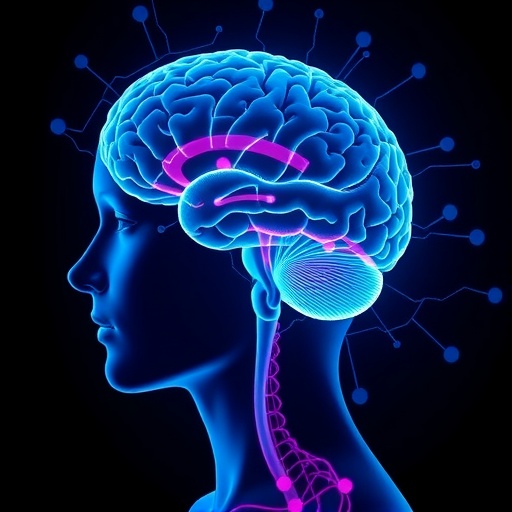
One of the key technological components of this research was the use of functional magnetic resonance imaging (fMRI) to monitor brain activity patterns during tasks designed to provoke emotional responses. The authors focused on assessing changes in regions implicated in emotional processing and anxiety, such as the amygdala, prefrontal cortex, and hippocampus. Impressively, participants undergoing HIIT exhibited diminished hyperactivity in the amygdala—commonly overactive in anxious individuals—alongside increased connectivity in regulatory circuits linking the prefrontal cortex with deeper limbic structures.
Biochemically, the study probed alterations in cortisol and brain-derived neurotrophic factor (BDNF) levels following the exercise protocols. Elevated BDNF is recognized for supporting synaptic plasticity and neuronal survival, and its augmentation after HIIT could underlie improved emotional regulation. Conversely, cortisol, a stress hormone typically elevated in anxiety disorders, showed a more moderated response profile post-exercise, suggesting a recalibration of the hypothalamic-pituitary-adrenal (HPA) axis.
Behaviorally, participants demonstrated meaningful improvements not only in laboratory measures but also in self-reported emotional processing scales, including enhanced recognition of facial emotions and reduced attentional biases towards threat-related cues. These findings indicate that the cognitive and affective benefits of HIIT extend beyond isolated test environments into everyday emotional functioning, offering tangible relief to those burdened by trait anxiety.
Moreover, the authors delved into the molecular underpinnings of these effects by analyzing peripheral blood samples for inflammatory markers, given mounting evidence linking systemic inflammation to anxiety pathology. Post-HIIT, reductions in pro-inflammatory cytokines were observed, aligning with a broader systemic anti-inflammatory effect that could contribute to mood stabilization and resilience against emotional disturbances.
This comprehensive approach situates HIIT as a multifaceted intervention, exerting its therapeutic influence through an intricate interplay of brain plasticity, neuroendocrine modulation, and immune system recalibration. The study’s rigorous control measures and longitudinal design also enabled precise delineation of cause and effect, strengthening the credibility of the conclusions and opening pathways for future clinical applications.
The societal implications of these findings cannot be overstated. Anxiety disorders impose substantial burdens on healthcare systems and diminish quality of life for millions globally. Integrating HIIT into routine mental health treatment plans could democratize access to effective remedies, especially in settings where pharmacotherapy or psychotherapy are constrained by resources. Furthermore, HIIT’s time-efficient format addresses common barriers to exercise adherence, enhancing feasibility for individuals juggling modern life stressors.
However, the authors caution that while their results are promising, further investigation is required to optimize the dose-response relationship of HIIT for emotional benefits, determine long-term sustainability, and explore potential interactions with other therapeutic modalities. They advocate for diversified research including wider demographic samples and comorbid conditions to validate generalizability.
In closing, this study contributes a compelling narrative to the growing consensus that physical exercise, particularly high-intensity interval training, stands as a potent and versatile tool in the fight against anxiety-related emotional impairments. By elucidating the neural and biochemical foundations of how HIIT reshapes emotional circuits, Li and colleagues have set a new benchmark for interdisciplinary research bridging neuroscience, psychology, and exercise physiology. Their work not only redefines paradigms of mental health treatment but also inspires a hopeful vision where movement is medicine for the mind as well as the body.
Cite Scienmag News
Glenn Wilkins. (October 2, 2025). High-Intensity Training Boosts Emotional Processing in Anxious Adults. Scienmag. https://scienmag.com/high-intensity-training-boosts-emotional-processing-in-anxious-adults/
Glenn Wilkins. "High-Intensity Training Boosts Emotional Processing in Anxious Adults." Scienmag, 2 October 2025, https://scienmag.com/high-intensity-training-boosts-emotional-processing-in-anxious-adults/. Accessed 4 September 2026.
Glenn Wilkins. "High-Intensity Training Boosts Emotional Processing in Anxious Adults." Scienmag. October 2, 2025. https://scienmag.com/high-intensity-training-boosts-emotional-processing-in-anxious-adults/


