


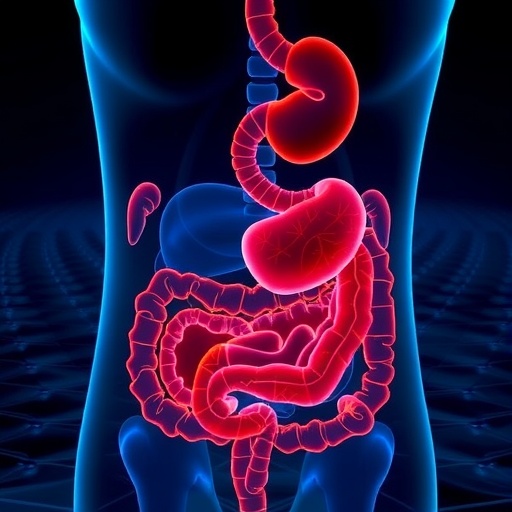
A new study proposes that the relationship between diet and depression may be influenced by an unexpected biological intermediary: the trillions of microorganisms living in the human gut. Published in Translational Psychiatry, the research introduces a “gut microbiota dietary index,” a modified way of evaluating eating patterns according to how strongly they may support a diverse and metabolically beneficial gut microbiome. The findings suggest that the association between diet quality and depression could vary substantially depending on a person’s body mass index, or BMI, and may be connected to inflammation.
The study, led by Kong, Wenyue, Tingting and colleagues, is described as hypothesis-generating rather than definitive proof that changing the gut microbiome can prevent or treat depression. Instead, the researchers present a framework that could help guide future dietary intervention trials. Their central idea is that conventional measures of healthy eating may overlook an important question: whether a diet supplies the specific fibers, plant compounds and nutrients that gut bacteria need to produce molecules capable of influencing the brain and immune system.
The gut microbiota dietary index is designed to move beyond simply counting calories, fat or individual food groups. It focuses on dietary components believed to shape microbial communities, including fermentable fibers and other substrates that bacteria can metabolize. When these compounds reach the colon, microbes convert them into metabolites such as short-chain fatty acids. These molecules, including acetate, propionate and butyrate, can influence intestinal barrier function, immune signaling and energy metabolism. Some can also interact with pathways involved in the nervous system, creating a possible biological bridge between food and mood.
Depression is a complex disorder involving genetics, brain circuitry, stress responses, sleep, social conditions and physical health. Inflammation has also emerged as a potential contributor for a subset of people with depressive symptoms. Persistent, low-grade immune activation may affect neurotransmitter metabolism, alter communication between the brain and immune system, and influence the hypothalamic–pituitary–adrenal axis, a major regulator of stress. The new research raises the possibility that diet-related changes in the gut microbiota could help shape these inflammatory processes, although the study does not establish that this pathway causes depression.
One of the most notable observations is that the diet–depression association appears to differ according to BMI. Body weight is not simply a measure of lifestyle or personal behavior; it is also linked to metabolic activity, immune regulation, hormone signaling and the composition of the gut microbiota. Adipose tissue can release inflammatory mediators, while obesity-associated metabolic changes may affect intestinal permeability and microbial metabolism. These factors could alter how strongly a microbiota-supportive diet is associated with mental health. At the same time, the researchers’ emphasis on BMI does not mean that body size determines psychological wellbeing or that weight loss should be treated as a universal solution.
The findings are especially relevant because depression and metabolic disorders frequently overlap. People experiencing depression may have changes in appetite, reduced motivation to prepare meals, sleep disruption and lower physical activity, all of which can affect diet and metabolism. Conversely, chronic inflammation or metabolic dysfunction may contribute to fatigue and mood symptoms in some individuals. This bidirectional relationship makes it difficult to determine whether dietary patterns precede depression, result from it, or reflect a combination of biological, social and behavioral influences.
The proposed index could help researchers test these possibilities more precisely. Rather than asking only whether people eat a generally “healthy” diet, future studies could examine whether a targeted dietary pattern changes microbial diversity, microbial metabolites, inflammatory biomarkers and depressive symptoms at the same time. Such trials might include increased intake of legumes, whole grains, vegetables, fruits, nuts and other sources of fermentable fibers, while also considering individual tolerance, cultural food preferences and existing medical conditions. If improvements in mood consistently tracked measurable biological changes, the case for a microbiota-mediated mechanism would become stronger.
However, the study’s language is deliberately cautious. Associations observed in dietary and health data can be distorted by confounding factors, including income, education, medication use, sleep, exercise, smoking, chronic illness and access to fresh food. Microbiome research also faces technical challenges: bacterial communities vary between individuals, laboratory methods can produce different profiles, and the presence of a microorganism does not necessarily reveal what it is doing. A diet that benefits one person’s microbial ecosystem may produce a different response in another, depending on genetics, baseline microbiota and metabolic health.
The research arrives as interest in nutritional psychiatry and microbiome science accelerates worldwide. Its most potentially important contribution is not a promise of a new depression cure, but a testable model for designing more personalized interventions. By linking food patterns with BMI, inflammation and microbial function, the researchers offer a way to investigate why dietary changes may help some people more than others. The next step will be controlled, long-term clinical trials capable of separating genuine biological effects from the many social and behavioral factors that shape both diet and depression.
Cite Scienmag News
Glenn Wilkins. (August 10, 2026). Gut microbiota-linked diet may affect depression differently by BMI via inflammation. Scienmag. https://scienmag.com/gut-microbiota-linked-diet-may-affect-depression-differently-by-bmi-via-inflammation/
Glenn Wilkins. "Gut microbiota-linked diet may affect depression differently by BMI via inflammation." Scienmag, 10 August 2026, https://scienmag.com/gut-microbiota-linked-diet-may-affect-depression-differently-by-bmi-via-inflammation/. Accessed 4 September 2026.
Glenn Wilkins. "Gut microbiota-linked diet may affect depression differently by BMI via inflammation." Scienmag. August 10, 2026. https://scienmag.com/gut-microbiota-linked-diet-may-affect-depression-differently-by-bmi-via-inflammation/


