


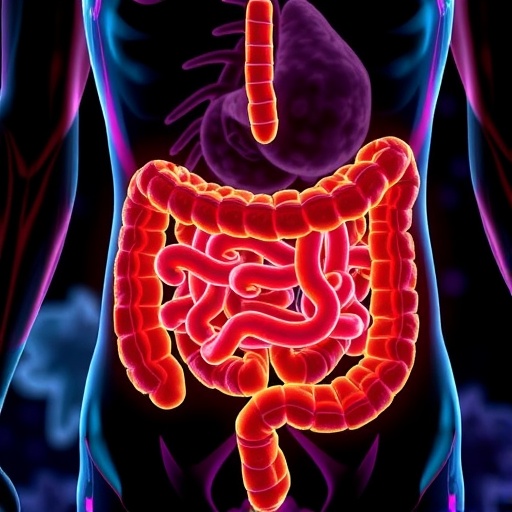
The intricate relationship between the gut microbiome and human aging has captivated researchers for years, yet the precise nature of their interaction has remained elusive. A groundbreaking study, recently published in Aging-US (Volume 17, Issue 8), presents robust evidence that certain gut microbial characteristics exert causal effects on a wide spectrum of age-associated biological traits. This investigation, led by Federica Grosso, Daniela Zanetti, and Serena Sanna from Italy’s Institute for Genetic and Biomedical Research (IRGB) of the National Research Council (CNR), represents a significant leap forward by employing Mendelian Randomization (MR) to dissect causal pathways rather than mere associations.
The gut microbiome—a vast ecosystem of trillions of bacteria, archaea, viruses, and fungi inhabiting the gastrointestinal tract—is increasingly recognized as a pivotal modulator of host physiology. It influences immunity, metabolism, and even neurocognitive function. Strikingly, as humans age, the microbiota undergoes compositional and functional shifts, often culminating in dysbiosis characterized by reduced diversity and imbalanced microbial populations. These changes correlate with heightened inflammation and deteriorating cardiometabolic health, hallmark features of aging-related diseases. However, establishing a direct causal link has long been hampered by confounding factors inherent in observational studies.
To navigate these complexities, the authors harnessed Mendelian Randomization, a sophisticated analytical technique that uses genetic variants as proxies (instrumental variables) to infer causality between an exposure—in this case, specific microbial traits—and outcomes related to aging biology. By analyzing over 55,000 potential causal connections spanning gut microbial taxa, metabolic pathways, and systemic biomarkers of inflammation and cardiovascular function, the study achieved unprecedented granularity. This approach minimizes reverse causation and confounding, thereby providing a stronger foundation for therapeutic exploration.
Out of this extensive analysis, 91 statistically significant causal relationships emerged, highlighting how particular bacterial populations and metabolic activities within the gut microbiome influence pivotal aging phenotypes. Remarkably, the study identified a link between elevated levels of certain commensal gut bacteria and an increased risk of age-related macular degeneration (AMD), a leading cause of vision loss among older adults. This finding aligns with emerging evidence implicating systemic inflammation and immune dysregulation in AMD pathogenesis, suggesting gut-derived microbial signals may contribute to ocular aging mechanisms.
Another salient discovery relates to the metabolic pathway “purine nucleotides degradation II,” which was associated with reduced plasma levels of apolipoprotein M (ApoM). ApoM is instrumental in lipid metabolism and possesses anti-inflammatory properties that confer cardioprotective effects. Reduced ApoM has been implicated in heightened cardiovascular risk, a major contributor to morbidity and mortality in the elderly. Crucially, these results were replicated using independent genome-wide association studies (GWAS), underscoring the robustness and reproducibility of the findings.
Beyond identifying static associations, the researchers delved into the nuanced interplay between gut microbiota and host genetics, revealing an interaction shaped by blood type. Individuals with blood type A, who express particular glycan structures on their cells, were found to harbor gut microbes capable of metabolizing GalNAc (N-acetylgalactosamine), a sugar moiety present in mucosal glycans. This microbial activity was linked to alterations in circulating protein levels implicated in inflammation and cardiovascular disease pathways. Such gene-microbe interactions underscore the potential for personalized microbiota-targeted interventions tailored to an individual’s genetic makeup.
The study’s meticulous design further strengthens its conclusions. The team implemented stringent statistical criteria to mitigate false discoveries, applied replication analyses with independent datasets—a crucial yet often neglected step in microbiome research—and rigorously tested for reverse causality. This comprehensive methodological framework enhances confidence that observed microbiome effects genuinely influence aging-related traits rather than reflecting downstream consequences.
While the precise molecular mechanisms underlying these microbiome-to-host protein interactions warrant further exploration, the implications are profound. The gut microbiota emerges not merely as a passive passenger but as an active agent capable of modulating inflammatory networks and cardiometabolic pathways that deteriorate with age. This causal evidence reshapes our understanding of aging biology and opens new therapeutic avenues. Targeting microbial composition or function through diet, prebiotics, probiotics, or microbial metabolites could potentially delay or mitigate chronic inflammation and age-related diseases.
Importantly, these findings catalyze a shift towards integrating microbiome science with precision medicine. Recognizing the modulatory role of host genetics—such as blood group antigens—on microbial influence invites the development of interventions customized to individual microbial and genetic profiles. This personalized strategy holds promise for enhancing efficacy and safety in preventing or slowing the progression of complex age-associated conditions.
The broader scientific community stands to benefit from these insights, as the study champions rigorous causal inference methodologies within microbiome research. By eschewing correlative paradigms and prioritizing replication, it sets a new standard for investigations into microbial contributions to human health and disease. Moreover, the multi-omics integration exemplified here—combining genetic, microbiome, proteomic, and clinical data—serves as a blueprint for future endeavors aiming to untangle multifactorial aging processes.
Nonetheless, this pioneering study acknowledges that further research is essential to elucidate the pathways through which gut microbes affect systemic physiology. Longitudinal studies, controlled clinical trials, and mechanistic experiments are needed to translate these causal associations into viable interventions. Additionally, expanding investigations into diverse populations will be critical to generalize and refine therapeutic approaches.
In summary, the study by Grosso, Zanetti, and Sanna firmly establishes a causal link between gut microbial traits and hundreds of age-related biological markers, including inflammatory and cardiovascular risk proteins. The evidence is compelling enough to inspire a reimagining of aging interventions, spotlighting the gut microbiome as a modifiable determinant of healthspan and lifespan. This research not only enhances our molecular understanding of aging but also charts a course towards microbiome-based precision medicine designed to combat the global burden of age-related diseases.
News Publication Date: 1-Aug-2025
Web References:
- Study journal issue: https://www.aging-us.com/issue/v17i8
- Mendelian Randomization methodology (general): https://doi.org/10.1038/nrg.2017.13
References: Not provided in the source content
Cite Scienmag News
Morgan Morrow. (September 9, 2025). Gut Microbiome Shapes Key Proteins Linked to Aging and Disease. Scienmag. https://scienmag.com/gut-microbiome-shapes-key-proteins-linked-to-aging-and-disease/
Morgan Morrow. "Gut Microbiome Shapes Key Proteins Linked to Aging and Disease." Scienmag, 9 September 2025, https://scienmag.com/gut-microbiome-shapes-key-proteins-linked-to-aging-and-disease/. Accessed 4 September 2026.
Morgan Morrow. "Gut Microbiome Shapes Key Proteins Linked to Aging and Disease." Scienmag. September 9, 2025. https://scienmag.com/gut-microbiome-shapes-key-proteins-linked-to-aging-and-disease/


