


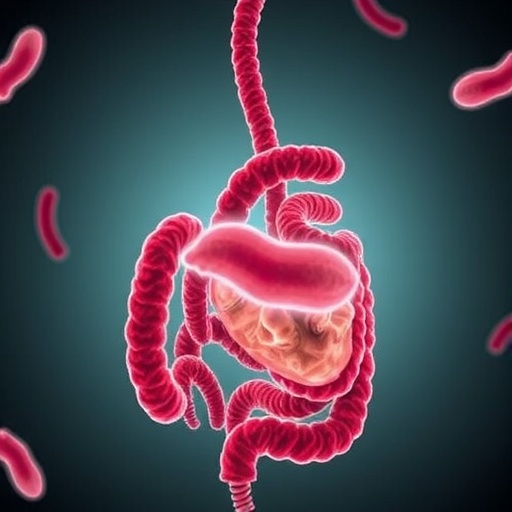
In a groundbreaking study poised to redefine our understanding of infectious diseases and cardiovascular health, researchers have unveiled compelling links between the gut microbiome, metabolomic profiles, and the parasitic infection Schistosoma mansoni in Ugandan populations. This intricate association not only expands the horizon of tropical disease research but also elucidates potential mechanisms underpinning cardiovascular disease risk modulated by parasitic infections, a discovery with profound public health implications for endemic regions.
The study meticulously analyzed the gut bacterial communities and metabolic signatures from individuals infected with Schistosoma mansoni, a trematode parasite responsible for schistosomiasis, which affects millions worldwide, particularly in sub-Saharan Africa. Advanced sequencing techniques combined with high-resolution mass spectrometry of biofluids enabled a systemic view into how the parasite reshapes the host’s internal microbial ecosystem and metabolic pathways. These alterations, revealed by multivariate statistical models and machine learning algorithms, delineate a complex interplay influencing host immunology and cardiovascular function.
One pivotal finding highlighted a distinct disruption in the diversity and relative abundance of bacterial taxa within the gut microbiome among infected patients compared to uninfected controls. Notably, commensal bacteria implicated in anti-inflammatory processes were depleted, whereas opportunistic pathogens proliferated. Such dysbiosis fosters a pro-inflammatory milieu that exacerbates endothelial dysfunction—a precursor to atherosclerosis and hypertension. These microbial shifts correlate with altered metabolite profiles characterized by increased markers of oxidative stress and altered lipid metabolism, both critical contributors to cardiovascular disease pathogenesis.
Moreover, the metabolomic landscape of infected individuals uncovered significant perturbations in the host’s biochemical milieu. Metabolites linked to amino acid catabolism, bile acid synthesis, and short-chain fatty acid production were differentially expressed, suggesting a reprogramming of metabolic networks. These metabolites have known roles in modulating vascular tone, systemic inflammation, and energy homeostasis. For instance, decreased butyrate levels, a key anti-inflammatory metabolite produced by gut bacteria, were consistently observed, correlating with heightened cardiovascular risk indicators such as arterial stiffness and elevated blood pressure.
The research further delved into the immunometabolic consequences of Schistosoma mansoni infection, revealing that parasite-induced changes interfere with host immune cell metabolism, altering cytokine profiles and promoting chronic low-grade inflammation. Such immune alterations potentiate endothelial injury and lipid oxidation, fostering the development of atherosclerotic plaques. Importantly, these immunological shifts appear to be partially mediated by microbial metabolites, indicating a tightly coupled triad of host microbiota, pathogen infection, and cardiovascular health.
In examining the pathophysiology underlying these associations, the investigators utilized integrative omics approaches combining metagenomic and metabolomic data with clinical cardiovascular parameters. This holistic methodology illuminated that specific gut bacterial genera serve as biomarkers for infection-induced metabolic dysregulation and subsequent cardiovascular risk. These microbial signatures provide promising targets for therapeutic intervention aimed at restoring microbiome balance and mitigating pathogenic sequelae.
The geographical focus on Uganda provides invaluable epidemiological context, as the region endures a high burden of schistosomiasis alongside increasing incidence of cardiovascular disease, a dual challenge exacerbated by limited healthcare infrastructure. The study’s outcomes advocate for integrated disease management frameworks that consider parasitic infections as modulators of non-communicable diseases, urging a shift in public health policies to address these intertwined health threats simultaneously.
Furthermore, the research underscores the potential of microbiome-based diagnostics and therapeutics. By identifying distinct microbial and metabolic alterations characteristic of schistosomiasis-linked cardiovascular risk, clinicians could develop non-invasive biomarkers for early detection and risk stratification. Additionally, prebiotic, probiotic, or metabolite supplementation strategies might restore gut microbial homeostasis, potentially attenuating infection-driven cardiovascular damage.
Beyond the immediate clinical implications, this study contributes fundamentally to the burgeoning field of host-microbiome-pathogen interactions. It exemplifies how parasitic infections can transcend their immediate pathological effects to remodel systemic physiological processes, particularly those connected to vascular health. This paradigm challenges the conventional siloed views of infectious and chronic diseases, advocating for integrated biomedical research approaches.
Emerging questions from this work include elucidating the causal pathways through which Schistosoma mansoni manipulates host metabolic and microbial environments and determining the reversibility of these changes post-treatment. Longitudinal studies are warranted to assess whether therapeutic eradication of the parasite restores microbiome diversity and metabolic equilibrium, thereby reducing cardiovascular risk markers.
The study leverages cutting-edge sequencing platforms and metabolomics technologies, including 16S rRNA gene sequencing coupled with ultra-high-performance liquid chromatography-mass spectrometry (UHPLC-MS), providing unparalleled resolution into microbial community structure and function. The application of network analysis and pathway enrichment further refined the understanding of biochemical shifts and microbial interactions, showcasing how multi-omic integration can unravel complex biological phenomena.
Notably, the researchers employed rigorous statistical frameworks to control for confounding variables such as diet, age, sex, and co-infections, reinforcing the robustness of the associations observed. This methodological precision strengthens the case for causative links rather than mere correlations, thereby enhancing the clinical translatability of the findings.
Importantly, the study also addresses the broader socio-economic determinants influencing infection rates and cardiovascular disease prevalence in Uganda. Environmental exposures, sanitation infrastructure, and access to healthcare intersect with microbial and metabolic dynamics, underscoring the need for multi-sectoral interventions targeting both microbial ecology and social determinants of health.
As the world grapples with the intertwined epidemics of infectious and chronic diseases, this research exemplifies how molecular insights can inform holistic health strategies. Efforts to combat neglected tropical diseases must incorporate cardiovascular health assessments, and vice versa, especially in vulnerable populations, to improve long-term outcomes and healthcare equity.
In conclusion, the integration of microbiome science with infectious disease and cardiovascular epidemiology reveals a previously underappreciated nexus between parasitic infection and metabolic health. The revelations about Schistosoma mansoni’s role in reshaping gut microbiota and host metabolic pathways open new avenues for intervention and prevention, particularly within resource-limited settings. This work paves the way for future translational research to mitigate the global burden of both parasitic infections and cardiovascular disease through innovative, microbiome-informed approaches.
Walusimbi, B., Lawson, M.A., Bancroft, A.J. et al. The gut microbiome and metabolome associate with Schistosoma mansoni infection and cardiovascular disease risk in Uganda.
Nat Commun (2026). https://doi.org/10.1038/s41467-026-68983-3
Cite Scienmag News
Morgan Morrow. (February 4, 2026). Gut Microbiome Links Schistosoma Infection and Heart Risk. Scienmag. https://scienmag.com/gut-microbiome-links-schistosoma-infection-and-heart-risk/
Morgan Morrow. "Gut Microbiome Links Schistosoma Infection and Heart Risk." Scienmag, 4 February 2026, https://scienmag.com/gut-microbiome-links-schistosoma-infection-and-heart-risk/. Accessed 4 September 2026.
Morgan Morrow. "Gut Microbiome Links Schistosoma Infection and Heart Risk." Scienmag. February 4, 2026. https://scienmag.com/gut-microbiome-links-schistosoma-infection-and-heart-risk/


