


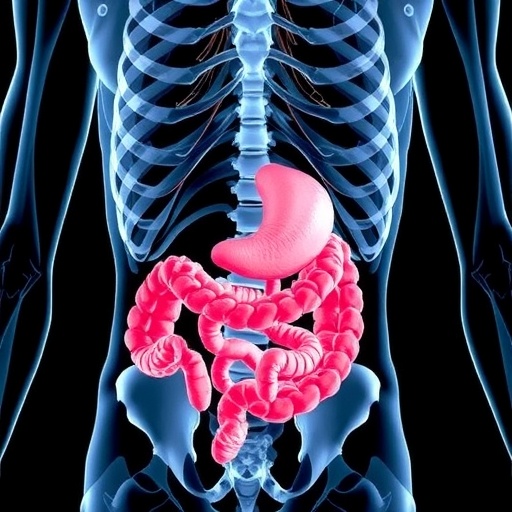
In an illuminating breakthrough in the complex intersection of endocrinology, immunology, and microbiology, researchers have unveiled a compelling connection between the gut microbiome and bone density variability in patients with primary hyperparathyroidism (PHPT). PHPT is an endocrine disorder marked by the overproduction of parathyroid hormone (PTH), a condition classically associated with bone loss and increased fracture risk. However, intriguingly, not all patients with elevated PTH experience comparable skeletal deterioration, a puzzling clinical observation that has prompted intense scientific inquiry.
A pioneering study, led by Professor Roberto Pacifici at Emory University and published in the journal Bone Research on May 25, 2026, probes deeply into the role of gut bacteria in modulating bone health outcomes in PHPT patients. Through an integrative approach combining stool microbiome analysis, bone density assessments, and immune cell profiling, the investigators have charted a remarkable correlation between the composition of intestinal microbial communities and bone integrity. This research challenges traditional paradigms that attribute bone loss in PHPT primarily to hormone levels, spotlighting the microbiome as a critical, active determinant of skeletal vulnerability.
Central to their findings is the identification of Bifidobacterium longum as a keystone species intricately linked to the immune activation that exacerbates bone resorption. Through fecal microbiota transplantation (FMT) experiments, the study provides compelling functional evidence: germ-free mice colonized with gut bacteria from osteoporotic PHPT patients exhibited amplified bone loss and elevated inflammatory immune cells compared to those receiving microbiota from patients with healthier bones. These results strongly suggest that microbiome alterations are not mere epiphenomena but causally contribute to the disease process.
Delving further into immunological mechanisms, the research highlights two pivotal immune cell subsets—tumor necrosis factor (TNF)-producing T cells and T helper 17 (Th17) cells—as conduits linking the microbial environment to bone metabolism. The abundance of these pro-inflammatory lymphocytes was found to correlate inversely with bone mineral density, both in PHPT patients and in the recipient mouse models. This incriminates immune-mediated inflammation as a biological bridge that transduces microbial signals into skeletal catabolism, enriching our understanding of osteoimmunological crosstalk.
Statistical association analyses revealed a robust connection between heightened levels of Bifidobacterium longum in the gut and increased expression of TNF and interleukin-17 (IL-17), two cytokines notorious for their bone-resorptive effects. This bacterial species appears to orchestrate a pro-inflammatory milieu that potentiates osteoclastogenesis and bone matrix degradation. Notably, no significant differences were observed in overall microbial diversity among patient groups, emphasizing that specific microbial taxa, rather than broad shifts in community structure, drive pathogenic outcomes.
At the mechanistic level, germ-free mouse studies demonstrated that colonization with Bifidobacterium longum induced the expansion of TNF+ T cells and Th17 cells within both intestinal and bone marrow compartments. Furthermore, this bacterium enhances the trafficking of these inflammatory T cells from the gut to the bone marrow, where they secrete catabolic mediators that accelerate bone erosion. Under conditions of elevated PTH, mice harboring this microbe exhibited markedly increased skeletal deterioration, providing direct experimental evidence of microbial amplification of PHPT pathology.
Professor Pacifici’s team emphasizes that the gut microbiome emerges as a responsive modulator rather than a passive participant in PHPT-related bone loss. The presence and abundance of Bifidobacterium longum serve as molecular fingerprints predictive of disease severity, heralding the potential development of microbiome-based biomarkers for clinical risk stratification. This advancement could facilitate early identification of patients at highest risk for fractures and poor bone health, enabling tailored interventions.
Beyond diagnostics, these findings carve a promising path toward novel therapeutic strategies that manipulate the gut microbiota to mitigate or prevent bone loss in PHPT. Precision microbiome interventions—including targeted antibiotics, probiotics engineered to displace pathogenic taxa, or other microbial-modulatory therapies—may offer adjunctive options to complement existing endocrine and bone-directed treatments. Such approaches could revolutionize metabolic bone disease management by integrating microbial ecology principles.
This research underscores the intricate and bidirectional relationships between host endocrine function, immune regulation, and microbial communities. It exemplifies the emerging field of osteomicrobiology, which explores how gut bacteria influence bone physiology through immune cell-mediated mechanisms. The elucidation of these pathways marks a significant milestone in decoding the multifactorial etiologies of bone disorders and advancing personalized medicine.
Clinicians and researchers alike should take note of these findings, as they redefine our understanding of PHPT pathogenesis and highlight the gut microbiome’s powerful role in skeletal homeostasis. Future studies building on this work may refine microbiome-targeted therapies to harness beneficial microbial interactions while suppressing harmful ones, striving to restore bone health through microbiome engineering.
As the prevalence of metabolic bone diseases continues to rise globally with aging populations, innovative insights like those from Professor Pacifici’s team offer hope for more effective, individualized, and mechanism-based approaches. This integration of endocrinology, immunology, and microbiology reshapes the landscape of bone disease research and opens vibrant new avenues for therapeutic innovation.
In sum, the study decisively demonstrates that gut microbial specificity—not just hormone-mediated pathways—predicts bone density outcomes in primary hyperparathyroidism. It identifies Bifidobacterium longum as a critical bacterial species that drives immune activation and bone loss. This paradigm-shifting research paves the way for exciting advances in microbiome-informed diagnostics and interventions, heralding a new era in the management of endocrine-associated bone disorders.
News Publication Date: 25-May-2026
References:
Title of original paper: Bacterial specificity of the gut microbiome predicts bone density in primary hyperparathyroidism
Journal: Bone Research
DOI: 10.1038/s41413-026-00529-1
Cite Scienmag News
Morgan Morrow. (June 12, 2026). Gut Microbiome Associated with Increased Osteoporosis Risk in Primary Hyperparathyroidism. Scienmag. https://scienmag.com/gut-microbiome-associated-with-increased-osteoporosis-risk-in-primary-hyperparathyroidism/
Morgan Morrow. "Gut Microbiome Associated with Increased Osteoporosis Risk in Primary Hyperparathyroidism." Scienmag, 12 June 2026, https://scienmag.com/gut-microbiome-associated-with-increased-osteoporosis-risk-in-primary-hyperparathyroidism/. Accessed 4 September 2026.
Morgan Morrow. "Gut Microbiome Associated with Increased Osteoporosis Risk in Primary Hyperparathyroidism." Scienmag. June 12, 2026. https://scienmag.com/gut-microbiome-associated-with-increased-osteoporosis-risk-in-primary-hyperparathyroidism/


