

Sunday, August 16, 2026
Science
No Result
View All Result
  • Login
  • HOME
  • SCIENCE NEWS
  • CONTACT US
  • HOME
  • SCIENCE NEWS
  • CONTACT US
No Result
View All Result
Scienmag
No Result
View All Result
Home Science News Cancer

Gut Chemical Helps Scientists Control Seizures and Repair Damaged Brains

July 15, 2026
in Cancer
Reading Time: 2 mins read
0
Gut Chemical Helps Scientists Control Seizures and Repair Damaged Brains

Gut Chemical Helps Scientists Control Seizures and Repair Damaged Brains

65
SHARES
587
VIEWS
Share on FacebookShare on Twitter
ADVERTISEMENT

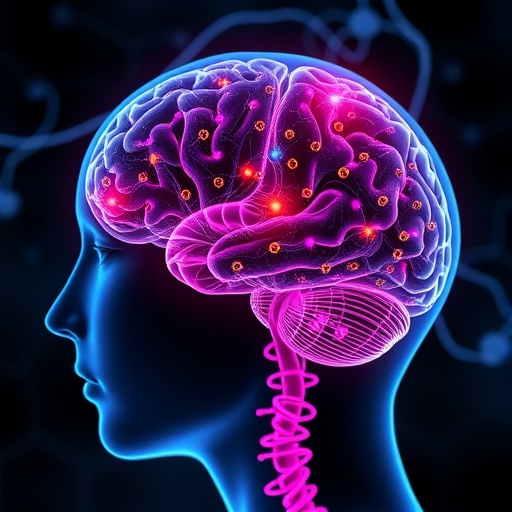
Traumatic brain injury (TBI) can look deceptively healed once bleeding stops and swelling fades. But inside the brain, a slower and more dangerous process is already unfolding. Inflammation spreads through vulnerable tissue, immune signaling becomes dysregulated, and neural networks begin to rewire in ways that can culminate in post-traumatic epilepsy (PTE).

For decades, clinical strategy has been largely reactive: wait for the first seizure, then attempt to manage seizures. That approach leaves a critical problem unaddressed—the biological transformation of injured tissue into an epileptogenic brain state, a process known as epileptogenesis.

A team at Texas A&M University, led by neuroscientist Dr. Samba Reddy, reports a different strategy: intervene during the window after injury but before epilepsy becomes established. Their study explores sodium butyrate, a naturally produced gut-derived molecule, as an early epigenetic therapy designed to halt disease progression rather than merely suppress symptoms.

The research centers on the gut-brain axis, where microbial metabolites and immune signals can influence neurological outcomes. Sodium butyrate crosses the blood–brain barrier and targets histone deacetylases (HDACs), epigenetic enzymes that can amplify inflammatory programs after injury. By inhibiting HDAC activity, the therapy helps “turn off” harmful immune pathways upstream of seizure development.

In experimental models using controlled cortical impact to mimic severe TBI, researchers tracked inflammation and long-term functional changes. Several months after treatment, animals receiving sodium butyrate showed reduced neuroinflammation, less maladaptive circuit rewiring, improved behavioral performance, and fewer seizures with lower intensity when seizures occurred.

Beyond seizure frequency, the findings suggest structural and cellular benefits. The treatment improved survival of existing neurons and supported healthier growth of new brain cells, aligning with a disease-modifying effect on epileptogenesis.

Reddy emphasizes translational potential. Sodium butyrate is already produced naturally in the body, and related butyrate derivatives and HDAC inhibitors have been examined in other diseases, supporting a plausible path toward future clinical trials. The work also raises the possibility that the same upstream inflammatory control could benefit other neurological disorders.

For now, the study remains preclinical and sodium butyrate is not FDA-approved for therapeutic use. Still, the results sketch a viral-science headline: a gut metabolite may help prevent the long-term neurological consequences that can follow TBI—by stopping epilepsy before it takes root.

Subject of Research: Post-traumatic epileptogenesis following severe traumatic brain injury (TBI)
Article Title: Epigenetic histone deacetylase inhibition by sodium butyrate reduces neuroinflammation, improves neurological dysfunction and promotes disease modification of epileptogenesis following traumatic brain injury
News Publication Date: 28-May-2026
Web References: https://doi.org/10.1016/j.expneurol.2026.115857
References: Experimental Neurology (2026)
Image Credits: Dr. Samba Reddy/Texas A&M University Naresh K. Vashisht College of Medicine

Keywords: traumatic brain injury; post-traumatic epilepsy; epileptogenesis; sodium butyrate; HDAC inhibition; neuroinflammation; gut-brain axis; epigenetics; controlled cortical impact

Tags: blood-brain barrier crossing therapeutic agentsearly intervention in epileptogenesisepigenetic mechanisms in seizure developmentgut-brain axis in traumatic brain injurygut-derived metabolites influencing neural inflammationhistone deacetylase inhibition in neuroprotectionimmune signaling regulation after brain injurymicrobial metabolites and brain repairneural network reorganization after TBIneuroinflammation modulation in brain traumapost-traumatic epilepsy prevention strategiessodium butyrate as epigenetic therapy for seizures
Share26Tweet16
Previous Post

Chemistry from Alien World Detected in Meteorite That Hit New Jersey Home

Next Post

Invisible Skin Sensors Bring Breakthrough Health Monitoring Into Wearables

Related Posts

4D-Printed Breast Cancer Model Mimics Ducts, Revealing Treatment Resistance
Cancer

4D-Printed Breast Cancer Model Mimics Ducts, Revealing Treatment Resistance

August 15, 2026
Lipid droplet signatures classify liver cancer and reveal PLIN3 therapeutic potential
Cancer

Lipid droplet signatures classify liver cancer and reveal PLIN3 therapeutic potential

August 15, 2026
Monocyte-derived IL-1β/p65/KRT7/ILK pathway drives epithelial–mesenchymal transition in colorectal cancer
Cancer

Monocyte-derived IL-1β/p65/KRT7/ILK pathway drives epithelial–mesenchymal transition in colorectal cancer

August 15, 2026
DKMS Opens John Hansen Grant: Nearly €1 Million for Blood Cancer Research
Cancer

DKMS Opens John Hansen Grant: Nearly €1 Million for Blood Cancer Research

August 15, 2026
3D imaging maps glioma infiltration and tumor boundaries within 30 minutes
Cancer

3D imaging maps glioma infiltration and tumor boundaries within 30 minutes

August 15, 2026
Study links body mass and prediagnosis weight loss to colorectal cancer survival
Cancer

Study links body mass and prediagnosis weight loss to colorectal cancer survival

August 15, 2026
Next Post
Invisible Skin Sensors Bring Breakthrough Health Monitoring Into Wearables

Invisible Skin Sensors Bring Breakthrough Health Monitoring Into Wearables

  • Mothers who receive childcare support from maternal grandparents show more

    Mothers who receive childcare support from maternal grandparents show more parental warmth, finds NTU Singapore study

    27656 shares
    Share 11059 Tweet 6912
  • University of Seville Breaks 120-Year-Old Mystery, Revises a Key Einstein Concept

    1061 shares
    Share 424 Tweet 265
  • Bee body mass, pathogens and local climate influence heat tolerance

    682 shares
    Share 273 Tweet 171
  • Researchers record first-ever images and data of a shark experiencing a boat strike

    546 shares
    Share 218 Tweet 137
  • Groundbreaking Clinical Trial Reveals Lubiprostone Enhances Kidney Function

    531 shares
    Share 212 Tweet 133
Science

Embark on a thrilling journey of discovery with Scienmag.com—your ultimate source for cutting-edge breakthroughs. Immerse yourself in a world where curiosity knows no limits and tomorrow’s possibilities become today’s reality!

RECENT NEWS

  • Tropical Forest Biomass Responds to Diverse Climate Controls
  • Survey-Based Model Reveals How Preparedness Constraints Shape Cholera Transmission in Sudan
  • Waste-Based Retrofits Improve Thermal Performance in North Sinai Social Housing
  • KAIST develops semiconductor neuron that harnesses noise to selectively process signals

Categories

  • Agriculture
  • Anthropology
  • Archaeology
  • Athmospheric
  • Biology
  • Biotechnology
  • Blog
  • Bussines
  • Cancer
  • Chemistry
  • Climate
  • Earth Science
  • Editorial Policy
  • Marine
  • Mathematics
  • Medicine
  • Pediatry
  • Policy
  • Psychology & Psychiatry
  • Science Education
  • Social Science
  • Space
  • Technology and Engineering

Subscribe to Blog via Email

Success! An email was just sent to confirm your subscription. Please find the email now and click 'Confirm Follow' to start subscribing.

Join 5,149 other subscribers

© 2025 Scienmag - Science Magazine

Welcome Back!

Login to your account below

Forgotten Password?

Retrieve your password

Please enter your username or email address to reset your password.

Log In
No Result
View All Result
  • HOME
  • SCIENCE NEWS
  • CONTACT US

© 2025 Scienmag - Science Magazine
