Saturday, October 24, 2026
Science
No Result
View All Result
  • Login
  • HOME
  • SCIENCE NEWS
  • CONTACT US
  • HOME
  • SCIENCE NEWS
  • CONTACT US
No Result
View All Result
Scienmag
No Result
View All Result
Home Science News Biology

Great Burnet Mitochondrial Genome Assembled to Reveal Rosaceae Evolution

October 24, 2026
in Biology
Juliet Wilcox
By Juliet Wilcox Scienmag Editorial Profile - Human Genetics
Reading Time: 3 mins read
0
Great Burnet Mitochondrial Genome Assembled to Reveal Rosaceae Evolution

Great Burnet Mitochondrial Genome Assembled to Reveal Rosaceae Evolution

65
SHARES
587
VIEWS
Share on FacebookShare on Twitter
ADVERTISEMENT

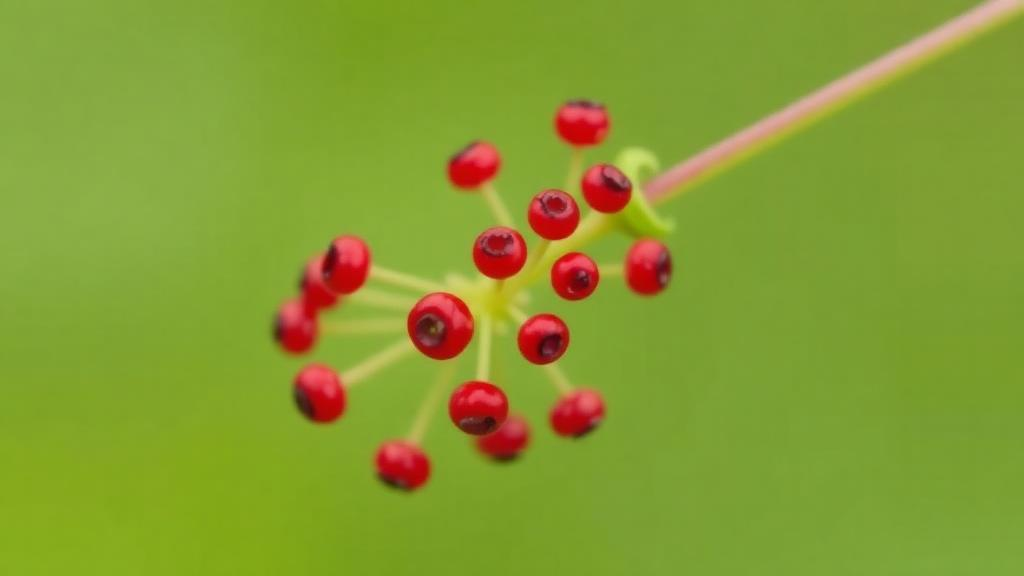
Researchers have sequenced and assembled the complete mitochondrial genome of Sanguisorba officinalis, a widely distributed member of the rose family valued in China as forage, food, traditional herbal medicine and an ornamental plant. The work, published open access in BMC Genomics, identifies a single master circular molecule of 295,903 base pairs and provides a detailed mitochondrial genome characterization for this species, whose genomic resources had previously remained limited.

The assembled genome yielded sixty successfully annotated genes. Of these, thirty-three are protein-coding genes, twenty-four encode transfer RNAs and three encode ribosomal RNAs. This gene complement establishes a reference baseline for the organellar genetics of S. officinalis, a species described by the authors as a wild forage grass in the Rosaceae family with tender, hairless and odorless foliage.

Comparative analysis across six Rosaceae species highlighted atp8, a protein-coding gene, as showing high nucleotide polymorphism within the family. This variation marks atp8 as a notably divergent mitochondrial locus among the sampled relatives.

Repeat structure emerged as a prominent feature of the genome. The team detected 76 simple sequence repeats, 50 dispersed repeats and 15 tandem repeats, and their cataloguing provides a structural map for subsequent work on this genome.

RNA editing proved extensive. The researchers identified 460 RNA editing sites in the mitochondrial genome, and every detected event involved a cytosine-to-uracil conversion. This documents the scale of post-transcriptional modification associated with the genome’s protein-coding content.

The assembly also captured evidence of organelle-to-organelle DNA transfer. In total, 68 DNA fragments originating from the chloroplast genome were determined to have been transferred into the mitochondrial genome of S. officinalis. This chloroplast-derived DNA documents the flow of genetic material between the two organelles and adds to the structural characterization of the mitochondrial molecule.

To place the species in an evolutionary context, the authors constructed a phylogenetic tree from mitochondrial genome data covering 29 Rosaceae species together with two outgroup species. The analysis was used to validate evolutionary relationships within Rosaceae, adding mitochondrial evidence to the family’s known phylogenetic framework.

The study’s authors frame the results as insights into the genetic background of S. officinalis and as findings useful for the exploration and practical application of Rosaceae germplasm resources. A complete reference sequence of this kind supplies a foundation for future genetic investigations in the family.

As with any single-species genome report, the findings describe one assembled mitochondrial molecule and comparative patterns within the sampled Rosaceae set rather than broader functional or agronomic outcomes. The value of the work lies in the annotated reference itself: a defined gene inventory, a quantified repeat landscape, a complete tally of RNA editing sites and a documented record of chloroplast-derived insertions, all now available for further study of S. officinalis and its relatives.

Subject of Research: Complete mitochondrial genome assembly and phylogenetic analysis of Sanguisorba officinalis (Rosaceae)

Article Title: Structural characteristics and phylogenetic analysis of the complete mitochondrial genome of Sanguisorba officinalis (Rosaceae)

Article References: Wu, D., Tian, C., Yang, Y., Liu, L., Gong, W., Feng, Y., Li, Y., Li, Z., & Wu, Z. (2026). Structural characteristics and phylogenetic analysis of the complete mitochondrial genome of Sanguisorba officinalis (Rosaceae). BMC Genomics. https://doi.org/10.1186/s12864-026-13493-1

Image Credits: AI Generated

DOI: 10.1186/s12864-026-13493-1

Keywords: Sanguisorba officinalis, mitochondrial genome, Rosaceae, genomics, RNA editing, chloroplast DNA transfer, phylogenetics, simple sequence repeats, atp8, BMC Genomics, Structural, characteristics

Cite Scienmag News

Juliet Wilcox. (October 24, 2026). Great Burnet Mitochondrial Genome Assembled to Reveal Rosaceae Evolution. Scienmag. https://scienmag.com/great-burnet-mitochondrial-genome-assembled-to-reveal-rosaceae-evolution/

Juliet Wilcox. "Great Burnet Mitochondrial Genome Assembled to Reveal Rosaceae Evolution." Scienmag, 24 October 2026, https://scienmag.com/great-burnet-mitochondrial-genome-assembled-to-reveal-rosaceae-evolution/. Accessed 24 October 2026.

Juliet Wilcox. "Great Burnet Mitochondrial Genome Assembled to Reveal Rosaceae Evolution." Scienmag. October 24, 2026. https://scienmag.com/great-burnet-mitochondrial-genome-assembled-to-reveal-rosaceae-evolution/


Tags: ATP8atp8 gene polymorphismBMC Genomicscharacteristicschloroplast DNA transfercomparative genomics in Rosaceaegenomicsmitochondrial gene annotationmitochondrial genomemitochondrial genome evolutionmitochondrial genome structureorganellar genetics in Rosaceaephylogeneticsplant genome structural featuresplant mitochondrial genome assemblyplant mitochondrial repeat sequencesRNA editingRNA editing in plant mitochondriaRosaceaeRosaceae mitochondrial genomeSanguisorba officinalisSanguisorba officinalis mitochondrial DNAsimple sequence repeatsStructural
Share26Tweet16
Previous Post

Computer-designed acridine compounds show predicted binding to breast cancer estrogen receptor

Next Post

Cold-exposed frog livers rewire metabolism toward glucose production and fat storage

Related Posts

Clusterin shields lung cells from sepsis damage by blocking Bax-driven mitochondrial injury
Biology

Clusterin shields lung cells from sepsis damage by blocking Bax-driven mitochondrial injury

October 24, 2026
Psilocybin rewires brain circuits through a pathway separate from hallucinations
Biology

Psilocybin rewires brain circuits through a pathway separate from hallucinations

October 24, 2026
Gut Microbiome Study Finds Subtle Microbial Shifts, Not Global Dysbiosis, in Gut–Brain Disorders
Biology

Gut Microbiome Study Finds Subtle Microbial Shifts, Not Global Dysbiosis, in Gut–Brain Disorders

October 24, 2026
Cold-exposed frog livers rewire metabolism toward glucose production and fat storage
Biology

Cold-exposed frog livers rewire metabolism toward glucose production and fat storage

October 24, 2026
Research report: Clear aligner interface properties, oral microbial ecology, and strategies for biofilm control and caries-risk mitigation: a scoping review
Biology

Research report: Clear aligner interface properties, oral microbial ecology, and strategies for biofilm control and caries-risk mitigation: a scoping review

October 24, 2026
PD-L1 and mTOR form a signaling loop that drives tumor invasion
Biology

PD-L1 and mTOR form a signaling loop that drives tumor invasion

October 24, 2026
Next Post
Cold-exposed frog livers rewire metabolism toward glucose production and fat storage

Cold-exposed frog livers rewire metabolism toward glucose production and fat storage

  • Mothers who receive childcare support from maternal grandparents show more optimized

    Mothers who receive childcare support from maternal grandparents show more parental warmth, finds NTU Singapore study

    27656 shares
    Share 11059 Tweet 6912
  • University of Seville Breaks 120-Year-Old Mystery, Revises a Key Einstein Concept

    1061 shares
    Share 424 Tweet 265
  • Bee body mass, pathogens and local climate influence heat tolerance

    682 shares
    Share 273 Tweet 171
  • Researchers record first-ever images and data of a shark experiencing a boat strike

    546 shares
    Share 218 Tweet 137
  • Groundbreaking Clinical Trial Reveals Lubiprostone Enhances Kidney Function

    531 shares
    Share 212 Tweet 133
Science

Embark on a thrilling journey of discovery with Scienmag.com—your ultimate source for cutting-edge breakthroughs. Immerse yourself in a world where curiosity knows no limits and tomorrow’s possibilities become today’s reality!

RECENT NEWS

  • Culturally adapted psychoeducation cuts bipolar relapse risk in Pakistani trial
  • AI scoring tool shows promise in flagging cancerous skin lesions
  • New Deep Learning Network Sharpens Decoding of Imagined Movement Brain Signals
  • Pakistani Women in Hong Kong Face Intersecting Barriers to Health, Study Finds

Categories

  • Agriculture
  • Anthropology
  • Archaeology
  • Athmospheric
  • Biology
  • Biotechnology
  • Blog
  • Bussines
  • Cancer
  • Chemistry
  • Climate
  • Earth Science
  • Editorial Policy
  • Marine
  • Mathematics
  • Medicine
  • Pediatry
  • Policy
  • Psychology & Psychiatry
  • Science Education
  • Science News
  • Social Science
  • Space
  • Technology and Engineering

Subscribe to Blog via Email

Enter your email address to subscribe to this blog and receive notifications of new posts by email.

Join 5,152 other subscribers

© 2025 Scienmag - Science Magazine

Welcome Back!

Login to your account below

Forgotten Password?

Retrieve your password

Please enter your username or email address to reset your password.

Log In
No Result
View All Result
  • HOME
  • SCIENCE NEWS
  • CONTACT US

© 2025 Scienmag - Science Magazine

Discover more from Science

Subscribe now to keep reading and get access to the full archive.

Continue reading