

Tuesday, July 28, 2026
Science
No Result
View All Result
  • Login
  • HOME
  • SCIENCE NEWS
  • CONTACT US
  • HOME
  • SCIENCE NEWS
  • CONTACT US
No Result
View All Result
Scienmag
No Result
View All Result
Home Science News Medicine

Grant Funds Brain Imaging Research to Improve Post-Stroke Bladder Treatments

July 28, 2026
in Medicine
Reading Time: 2 mins read
0
Grant Funds Brain Imaging Research to Improve Post-Stroke Bladder Treatments

Grant Funds Brain Imaging Research to Improve Post-Stroke Bladder Treatments

65
SHARES
587
VIEWS
Share on FacebookShare on Twitter
ADVERTISEMENT

Stroke-related urinary incontinence affects more than a third of survivors and often goes untreated at its neurological source. A new NIH-funded effort from the Mark and Mary Stevens Neuroimaging and Informatics Institute at USC, together with Rancho Los Amigos National Rehabilitation Center, is targeting the brain–spinal cord–bladder communication breakdown that underlies these symptoms. The project aims to move beyond symptom-only management toward a personalized, network-based approach to recovery.

At the center of the study is Evgeniy Kreydin, MD, who leads a multidisciplinary pipeline combining advanced neuroimaging, clinical urodynamic testing, and transcutaneous spinal cord stimulation (TSCS). TSCS delivers mild electrical stimulation through skin-placed electrodes over the spine, with the goal of modulating neural circuits that regulate storage and voiding. Previous pilot results showed benefit for many participants, but not universally—prompting the need for predictors of response.

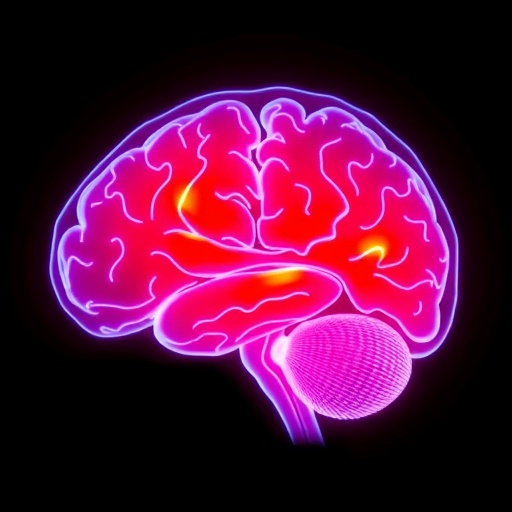
Researchers will first map bladder-control function by using functional MRI (fMRI) during controlled bladder filling and monitoring. Unlike structural scans that depict anatomy, fMRI captures task-linked changes in brain activity. The team will quantify how regions involved in sensing bladder fullness, deciding when to void, and coordinating release communicate at rest and during filling and urination. Comparisons will be made across stroke survivors with injuries in different locations, including basal ganglia and pons, and also a control group.

To capture the “wiring” that fMRI cannot directly reveal, the investigators will apply diffusion MRI and tractography to reconstruct white matter pathways linking key bladder-control regions. This structural connectivity analysis will test whether pathway disruption better explains symptom severity than visible lesion location alone. The approach is intended to identify measurable imaging biomarkers tied to incontinence patterns.

Finally, participants will undergo 12 weeks of TSCS and repeat both imaging and urodynamic assessments afterward. The study will evaluate whether pre-treatment network integrity—and post-stimulation connectivity changes—correlate with clinical improvement. The long-term goal is a biomarker panel that helps clinicians forecast who is most likely to benefit, reducing trial-and-error treatment selection.

Beyond stroke, the same brain–bladder circuitry framework may extend to other neurological disorders that disrupt urinary control, such as traumatic brain injury and neurodegeneration. By linking network biology to functional outcomes, the project targets a future where neuromodulation and rehabilitation are tailored to individual neural injury profiles rather than applied universally.

Subject of Research: Post-stroke lower urinary tract dysfunction; brain–spinal cord–bladder connectivity; TSCS response prediction
Article Title: Functional and Structural Brain Connectivity Alterations in Post-Stroke Lower Urinary Tract Dysfunction
News Publication Date:
Web References: https://ini.usc.edu/ ; https://keck.usc.edu/news/new-usc-study-identifies-key-brain-networks-behind-post-stroke-urinary-incontinence/
References: NIH/National Institute of Diabetes and Digestive and Kidney Diseases, R01DK144402
Image Credits: Stevens INI

Keywords: stroke, urinary incontinence, fMRI, diffusion MRI, tractography, white matter pathways, transcutaneous spinal cord stimulation, urodynamics, biomarkers, neuroimaging

Tags: brain-spinal cord-bladder communicationfunctional MRI in post-stroke bladder controlnetwork-based approach to neurogenic bladderneural circuit modulation for urinary incontinenceneuroimaging and urodynamic testingneuroimaging biomarkers for urinary functionneuroimaging for bladder controlpersonalized neurological recoverypredictors of response to spinal stimulationstroke rehabilitation and bladder managementstroke-related urinary incontinencetranscutaneous spinal cord stimulation for bladder dysfunction
Share26Tweet16
Previous Post

Study finds how sleep strengthens memory, and epilepsy disrupts the process

Next Post

Genes Influence Diet Choices and Metabolic Health, New Research Suggests

Related Posts

In-House 24-Hour Call Shifts Outdated in Modern Workplaces
Medicine

In-House 24-Hour Call Shifts Outdated in Modern Workplaces

July 28, 2026
Alcohol Intervention Proves Successful in Humanitarian Aid Setting
Medicine

Alcohol Intervention Proves Successful in Humanitarian Aid Setting

July 28, 2026
Genes Influence Diet Choices and Metabolic Health, New Research Suggests
Medicine

Genes Influence Diet Choices and Metabolic Health, New Research Suggests

July 28, 2026
Study finds how sleep strengthens memory, and epilepsy disrupts the process
Medicine

Study finds how sleep strengthens memory, and epilepsy disrupts the process

July 28, 2026
Study Warns of Hidden Sleep Crisis Among Workers Over 50
Medicine

Study Warns of Hidden Sleep Crisis Among Workers Over 50

July 28, 2026
Survey Reveals Gaps in Fungal Diagnostics and Antifungal Access in Latin America
Medicine

Survey Reveals Gaps in Fungal Diagnostics and Antifungal Access in Latin America

July 28, 2026
Next Post
Genes Influence Diet Choices and Metabolic Health, New Research Suggests

Genes Influence Diet Choices and Metabolic Health, New Research Suggests

  • Mothers who receive childcare support from maternal grandparents show more

    Mothers who receive childcare support from maternal grandparents show more parental warmth, finds NTU Singapore study

    27656 shares
    Share 11059 Tweet 6912
  • University of Seville Breaks 120-Year-Old Mystery, Revises a Key Einstein Concept

    1061 shares
    Share 424 Tweet 265
  • Bee body mass, pathogens and local climate influence heat tolerance

    682 shares
    Share 273 Tweet 171
  • Researchers record first-ever images and data of a shark experiencing a boat strike

    546 shares
    Share 218 Tweet 137
  • Groundbreaking Clinical Trial Reveals Lubiprostone Enhances Kidney Function

    531 shares
    Share 212 Tweet 133
Science

Embark on a thrilling journey of discovery with Scienmag.com—your ultimate source for cutting-edge breakthroughs. Immerse yourself in a world where curiosity knows no limits and tomorrow’s possibilities become today’s reality!

RECENT NEWS

  • Study Evaluates Interrater Reliability of the Bayley-4 in Multidisciplinary Teams
  • In-House 24-Hour Call Shifts Outdated in Modern Workplaces
  • Alcohol Intervention Proves Successful in Humanitarian Aid Setting
  • Genes Influence Diet Choices and Metabolic Health, New Research Suggests

Categories

  • Agriculture
  • Anthropology
  • Archaeology
  • Athmospheric
  • Biology
  • Biotechnology
  • Blog
  • Bussines
  • Cancer
  • Chemistry
  • Climate
  • Earth Science
  • Editorial Policy
  • Marine
  • Mathematics
  • Medicine
  • Pediatry
  • Policy
  • Psychology & Psychiatry
  • Science Education
  • Social Science
  • Space
  • Technology and Engineering

Subscribe to Blog via Email

Enter your email address to subscribe to this blog and receive notifications of new posts by email.

Join 5,146 other subscribers

© 2025 Scienmag - Science Magazine

Welcome Back!

Login to your account below

Forgotten Password?

Retrieve your password

Please enter your username or email address to reset your password.

Log In
No Result
View All Result
  • HOME
  • SCIENCE NEWS
  • CONTACT US

© 2025 Scienmag - Science Magazine

Discover more from Science

Subscribe now to keep reading and get access to the full archive.

Continue reading
