


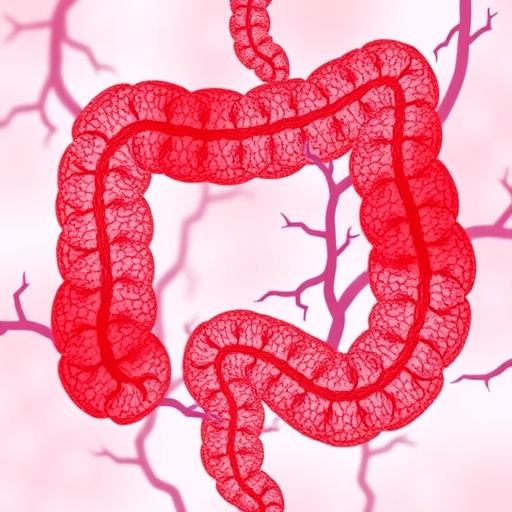
In an exciting development that could transform the therapeutic landscape for inflammatory bowel disease (IBD), researchers have identified a critical role for a subset of regulatory immune cells guided by the G protein-coupled receptor GPR15. IBD, which includes Crohn’s disease and ulcerative colitis, represents a group of chronic disorders causing relentless inflammation and dysfunction within the gastrointestinal tract. This inflammation often escalates, increasing the risk of colon cancer and significantly impairing patients’ quality of life. Despite advances, the precise cellular mechanisms that regulate intestinal inflammation remain elusive, creating a bottleneck in designing innovative treatments.
The study, recently published in Nature, uncovers GPR15 as a crucial homing receptor for a novel subset of regulatory CD8+ T lymphocytes located within the intestinal mucosa, dubbed CD8+ TIGR cells. These specialized T cells act as guardians of intestinal homeostasis, selectively migrating to the colon under the guidance of GPR15. The identification of this specific immune population revises previous notions that primarily spotlighted CD4+ T regulatory cells in gut immune regulation, highlighting the significant yet underexplored role of CD8+ subsets.
GPR15 had been previously characterized mainly as an entry co-receptor for human and simian immunodeficiency viruses, but this new research repositioned it within the immune system’s functional architecture. It acts as a navigational beacon for CD8+ TIGR cells, enabling their migration and residency in the colonic mucosa where they perform critical immunoregulatory functions. This discovery paints a compelling picture of how spatial localization within tissue microenvironments dictates immune cell function and disease outcomes.
Turning to human genetics, the study reveals that deleterious variants in the GPR15 gene compromise the homing ability of these CD8+ TIGR cells, correlating strongly with cases of severe, early-onset IBD. This insight bridges genetic susceptibility with mechanistic immunology and spotlights GPR15 as a potential biomarker for identifying individuals at risk of more aggressive disease progression. Such gene variants appear to inhibit proper trafficking of the regulatory CD8+ cell population, thereby disrupting immune equilibrium in the gut.
The implications extend beyond genetics, as tissue analysis of sporadic IBD patient samples showed a significant reduction in CD8+ TIGR cells within the affected intestinal mucosa. This depletion likely exacerbates uncontrolled inflammation due to the lack of a crucial immunosuppressive cell subset capable of modulating macrophage-driven inflammatory responses. Hence, restoration or enhancement of CD8+ TIGR presence might represent a novel therapeutic angle.
In murine models, GPR15 knockout animals exhibited defective colonic homing of CD8+ TIGR cells, which correlated with an aberrant accumulation of inflammatory macrophages and heightened susceptibility to experimental colitis. This functional deficit underscores the receptor’s indispensable role in facilitating effective immune regulation within the gut environment. The mouse data elegantly validate and complement the human genetic findings, cementing the translational potential of targeting this pathway.
Mechanistically, the immunoregulatory function of CD8+ TIGR cells is mediated through cytotoxic mechanisms involving Fas ligand (FasL) and a tumor necrosis factor family member known as TNF-related weak inducer of apoptosis (TWEAK). These pathways enable CD8+ TIGR cells to selectively induce apoptosis in overactivated macrophages, which are known drivers of inflammatory cascades in IBD. This targeted killing prevents excessive tissue damage and preserves mucosal integrity.
This discovery fundamentally shifts our understanding of cellular cross-talk in the intestine, highlighting the complexity and cell-type specificity of immunoregulation in mucosal tissues. It also provides crucial clues on how immune homeostasis is disrupted in chronic inflammatory diseases, unveiling potential checkpoints for therapeutic intervention. By selectively modulating GPR15-guided CD8+ TIGR cells, future treatments could restore immune balance without broadly suppressing host defense.
Throughout the study, the authors emphasize the translational significance of their findings. Leveraging GPR15 as a drug target or diagnostic marker offers exciting avenues for personalized medicine strategies in IBD. Modulation of CD8+ TIGR cell homing, survival, or effector functions might reduce disease severity, flare frequency, and progression to colorectal cancer—major unmet needs in current clinical practice.
Adding another layer of complexity, the authors discuss the interplay of environmental factors, microbiota composition, and host genetics in shaping the recruitment and function of CD8+ TIGR cells. This multifaceted immune regulation axis highlights why IBD exhibits heterogeneity in clinical presentation and response to therapies, underscoring the necessity for nuanced approaches grounded in immunological precision.
The advent of high-resolution single-cell sequencing and advanced imaging techniques was instrumental in dissecting the unique transcriptional profile and spatial localization of CD8+ TIGR cells. These technologies enabled the researchers to unravel the molecular signature defining this subset, revealing key transcription factors, surface markers, and effector molecules that distinguish them from other regulatory T cell populations in the gut.
In summary, this landmark work elucidates a previously unappreciated immunoregulatory pathway governed by GPR15 and a distinct CD8+ T cell subset essential for maintaining intestinal immune homeostasis. It offers tangible hope for developing innovative, targeted therapies of immense clinical impact across a rising patient population afflicted by IBD. As research progresses, manipulation of GPR15-guided CD8+ T regulatory cells stands poised to redefine how inflammatory gut diseases are managed and ultimately cured.
Cite Scienmag News
Ophelia Keating. (June 8, 2026). GPR15+ CD8+ Tregs Combat Intestinal Inflammation. Scienmag. https://scienmag.com/gpr15-cd8-tregs-combat-intestinal-inflammation/
Ophelia Keating. "GPR15+ CD8+ Tregs Combat Intestinal Inflammation." Scienmag, 8 June 2026, https://scienmag.com/gpr15-cd8-tregs-combat-intestinal-inflammation/. Accessed 3 September 2026.
Ophelia Keating. "GPR15+ CD8+ Tregs Combat Intestinal Inflammation." Scienmag. June 8, 2026. https://scienmag.com/gpr15-cd8-tregs-combat-intestinal-inflammation/


