


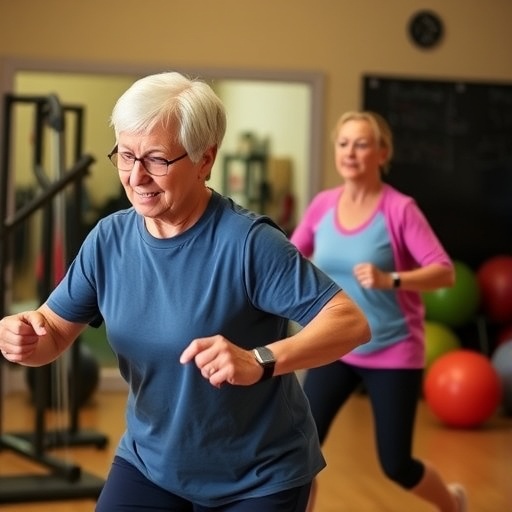
As the global population ages, the importance of maintaining physical health in older adults continues to gain prominence. Recent research has brought to light the significant impact that functional task training can have on physical performance among the elderly, providing an extensive analysis of existing studies within this field. The systematic review and meta-analysis by Nieves-Silva et al. serves as a critical examination of how specific training methods can enhance daily functioning and overall quality of life for older adults.
Functional task training is designed to mimic activities of daily living, targeting essential physical skills that allow seniors to perform routine tasks with more ease and confidence. This type of training focuses not only on strength but also on balance, coordination, and endurance, all of which are crucial for preventing falls and other injuries frequently faced by older individuals. By concentrating on functional capabilities, the training aligns closely with the real-world challenges that elderly persons encounter, making it a practical approach to physical enhancement.
The systematic review conducted by Nieves-Silva and colleagues involved a comprehensive analysis of numerous studies that evaluated the effects of functional task training on physical capabilities. The researchers meticulously selected trials that met stringent inclusion criteria, ensuring a robust foundation for their findings. They evaluated various training regimes, searching for common themes and outcomes that could guide future interventions and recommendations for older adults seeking to improve their physical performance.
One of the notable outcomes of this meta-analysis was the significant improvement in physical performance metrics observed in participants who underwent functional task training. Measurements such as gait speed, balance stability, and muscle strength showed marked advancements, suggesting that such targeted training can be a vital component in the geriatric care arsenal. The implications of these findings are profound, hinting that a simple adjustment in the way physical training is approached for older populations could yield considerable benefits.
Moreover, the analysis highlights the importance of a tailored training approach. It becomes evident that not all older adults will respond similarly to functional task training; individual circumstances such as existing health conditions, mobility levels, and personal goals must be considered when designing a training program. This personalized approach not only enhances the effectiveness of the training but also ensures that older adults feel engaged and motivated to participate actively in their health and fitness journeys.
Through the lens of this meta-analysis, we can begin to unpack the various components that contribute to improved physical performance through functional training. This involves understanding the interplay between physical, cognitive, and emotional well-being. The training sessions often foster social interaction, providing a sense of community and support that can combat the loneliness and isolation often felt by older adults. Such social benefits intertwine with the physical enhancements, creating a more holistic approach to senior health.
Furthermore, the research underscores the potential long-term benefits of integrating functional task training into regular fitness regimes for older adults. While immediate improvements in performance are noteworthy, the sustained engagement in such activities can lead to a greater quality of life and a lower incidence of age-related health issues over time. By establishing adaptability and resilience through functional training, older adults may be able to maintain their independence longer and navigate aging with grace.
Another essential aspect of the research addresses the need for healthcare professionals to advocate for functional task training as a standard practice within geriatric care. Healthcare providers should be well-versed in the benefits of functional training and be equipped to recommend specific programs that align with their patients’ needs and capabilities. The integration of training protocols into rehabilitation and preventive care programs could help shift the culture surrounding aging and promote a more active lifestyle among seniors.
The findings of this systematic review resonate with broader conversations about aging in society. As populations around the world continue to age, the economic and social implications of an active elderly population become increasingly significant. By promoting physical health and fitness among older adults, we can mitigate the burden on healthcare systems and improve community well-being, making it a pivotal priority for policymakers and health advocates alike.
As we look to the future, the potential for further research in this arena remains vast. Emerging technologies, such as virtual reality and wearable fitness trackers, hold promise for enhancing functional task training, making it more accessible and engaging for older adults. Innovations that integrate these technologies into training protocols could provide valuable data on usage and outcomes, further enhancing our understanding of how best to support physical performance in aging populations.
In conclusion, Nieves-Silva et al.’s systematic review stands as a beacon for future research and practice in geriatric health. It emphasizes the necessity of functional task training as a key factor in promoting physical performance among older adults. Future interventions can be informed by these findings, leading to enhanced training programs that not only improve physical capabilities but also enrich the overall quality of life for seniors. The movement towards healthier aging must prioritize strategies that empower older adults to retain their independence and vitality, making functional task training not just an option, but a foundational component of their health maintenance.
As communities and health systems around the world grapple with the challenges of an aging population, embracing effective training programs like those evaluated in this review could be pivotal. Not only does it serve immediate physical transformations, but it also heralds a future where aging is synonymous with strength, vitality, and community engagement, creating a legacy of health for generations to come.
Nieves-Silva, R., Chirosa-Ríos, L., Chirosa-Ríos, I.J. et al. Effects of functional task training on physical performance in older adults: a systematic review and meta-analysis. Eur Geriatr Med (2025). https://doi.org/10.1007/s41999-025-01310-z
Cite Scienmag News
Ophelia Keating. (September 18, 2025). Functional Task Training Boosts Older Adults’ Performance. Scienmag. https://scienmag.com/functional-task-training-boosts-older-adults-performance/
Ophelia Keating. "Functional Task Training Boosts Older Adults’ Performance." Scienmag, 18 September 2025, https://scienmag.com/functional-task-training-boosts-older-adults-performance/. Accessed 3 September 2026.
Ophelia Keating. "Functional Task Training Boosts Older Adults’ Performance." Scienmag. September 18, 2025. https://scienmag.com/functional-task-training-boosts-older-adults-performance/


