


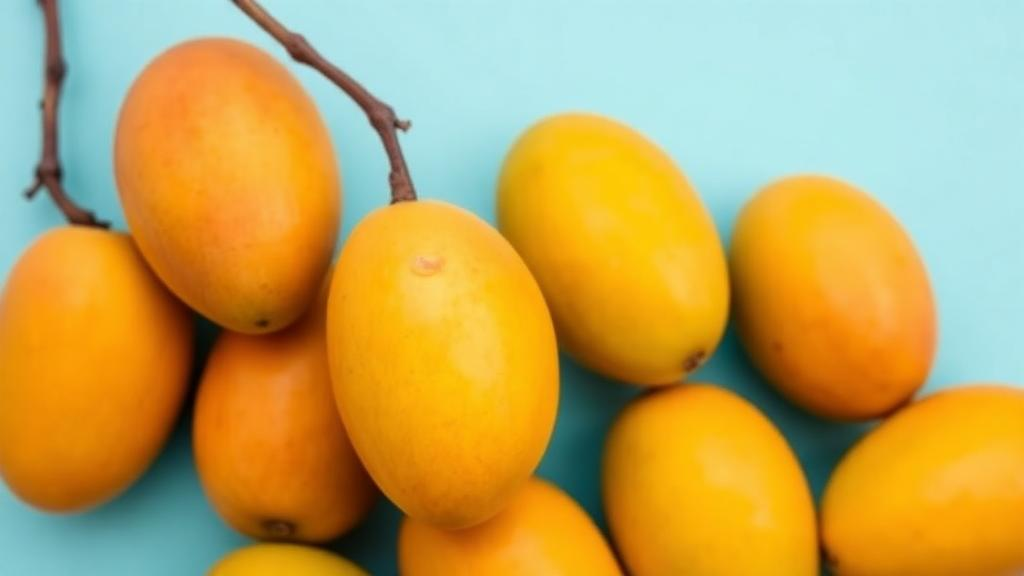
The mango has earned its title as the King of Fruits through millennia of cultivation, but behind the sweet flesh lies a genetic story that scientists are only now beginning to read in full. A comprehensive new review published in Discover Plants has pulled together decades of research on the genetic diversity of mango (Mangifera indica L.) across Asia, the crop’s primary centre of origin and diversification. The synthesis, led by Khwairakpam Rozerto of Nagaland University together with colleagues from Indian research institutions, integrates morphological, biochemical, physiological, molecular and genome-wide perspectives into a single framework, and its central warning is stark: the genetic foundation that made the mango so successful is narrowing just as climate change, new pests and irregular flowering threaten production across the tropics.
Asia is where the mango began. India alone contributes nearly half of global production and serves as a major reservoir of genetic variability, while South and Southeast Asia harbour wild relatives, traditional landraces and farmer-selected cultivars that differ dramatically in flowering response, fruiting season, quality attributes and stress adaptation. The review emphasizes that this variation reflects a complex history of domestication, natural hybridization and long-term local adaptation. Mango is a highly heterozygous, predominantly cross-pollinated species, which drives extensive genetic recombination among seedling progenies. Polyembryony, present in several cultivars, adds another layer of complexity by allowing both sexual and nucellar reproduction, preserving maternal genotypes while still generating novel variation. Natural hybridization between cultivated and wild Mangifera species, particularly in Southeast Asia, has further shaped the crop’s genetic architecture.
For most of the past few decades, researchers probing this diversity relied on a succession of molecular marker systems, and the review offers a candid technical assessment of their trade-offs. Random amplified polymorphic DNA (RAPD) and inter-simple sequence repeat (ISSR) markers are inexpensive and technically simple, requiring no prior sequence information, but their dominant inheritance and sensitivity to reaction conditions limit reproducibility and preclude accurate estimates of heterozygosity. A direct comparison in mango cultivars found RAPD markers markedly less informative than microsatellites, with a mean polymorphism information content of 0.378 versus 0.735. Amplified fragment length polymorphism (AFLP) markers offer broader genome coverage and can uncover variation missed by other dominant systems, yet their technical complexity and cost have restricted large-scale adoption.
Simple sequence repeat (SSR) markers emerged as the workhorse of mango germplasm characterization, combining co-dominant inheritance, high polymorphism and cross-laboratory reproducibility. Their impact is illustrated by a genome-wide SSR analysis of 231 accessions that detected 219 alleles and identified a streamlined panel of just 16 core primers capable of discriminating nearly all tested cultivars. Such panels are invaluable for duplicate detection, varietal authentication and routine genebank curation. SSR-based population analyses have consistently separated Indian monoembryonic and Southeast Asian polyembryonic gene pools, a division that reflects both domestication history and reproductive biology. Microsatellite studies of Indian gene pools have reported population differentiation values as high as 0.248 between geographically distinct groups, underscoring how strongly shared ancestry structures the crop.
The real transformation, however, has come with next-generation sequencing. Single nucleotide polymorphism (SNP) platforms, genotyping-by-sequencing, whole-genome resequencing and transcriptomics now allow researchers to interrogate thousands to millions of loci across large germplasm panels. A SLAF-seq-based study in China evaluated 284 mango accessions from major producing regions including India, Pakistan, Thailand, Myanmar, Sri Lanka, Indonesia, the Philippines, Australia, the United States and China, and consistently recovered two major genetic groups corresponding to the Indian and Southeast Asian gene pools. The review argues that this recurring separation represents a genuine, deeply rooted domestication signal rather than a methodological artifact, pointing to independent domestication pathways and long-term geographical isolation between the lineages.
Reference genome assemblies have provided the scaffolding for this genomic era. A high-density consensus genetic map built from mapping populations spanning Florida, Queensland, Brazil and Israel integrated diverse breeding germplasm across major mango-growing regions. Whole-genome sequencing work in China using the Indian cultivar Alphonso delivered chromosome-scale resources and confirmed allelic admixture in several commercial cultivars, particularly those derived from Western breeding programmes. Transcriptome-derived SNP analyses in Israel revealed clear structuring among accessions from Southeast Asia, India and Floridian breeding programmes, while RNA-sequencing studies across multiple tissues and developmental stages have identified differentially expressed genes tied to fruit ripening, flavour biosynthesis, flowering regulation and stress responses. High-throughput genotyping has also begun linking genomic regions to agronomic traits including fruit size, peel colour, flowering behaviour and abiotic stress tolerance.
The review is equally attentive to the classical layers of diversity that genomics must ultimately explain. Morphological variation in tree growth habit, canopy architecture, leaf form, inflorescence structure and fruit characteristics such as size, shape, skin colour, pulp texture and seed type has traditionally underpinned cultivar identification and farmer selection, guided by standardized frameworks from Bioversity International, DUS testing guidelines and UPOV protocols. Biochemical diversity is equally striking, with substantial genotypic variation documented in total soluble solids, acidity, sugar-acid ratios, carotenoids, polyphenols and bioactive compounds such as mangiferin, which confer antioxidant, anti-inflammatory and anticancer properties. Physiological traits, including responses to temperature extremes, drought and photoperiod, along with the duration of the juvenile phase and polyembryony itself, round out a phenotype that genomics is only beginning to connect to sequence variation.
On the conservation front, the review maps a two-pronged strategy. In situ approaches preserve wild populations and traditional orchards in their natural habitats, including indigenous seedling populations in the forests of Tripura, Orissa, Chota Nagpur and the Western Ghats that exhibit primitive traits such as polyembryony, dwarfism and stress tolerance, as well as wild populations in northeastern India that retain ancestral characteristics without hybridization with commercial cultivars. Ex situ conservation relies heavily on field gene banks, which face pressures from land use, pests and disease but remain essential for elite and rare accessions. Community-based custodianship, through home gardens, sacred groves and diversity fairs, sustains locally adapted landraces often absent from institutional collections, and the authors argue that strengthening links between these community stewards and formal genebanks through joint documentation and benefit-sharing will be critical for long-term resilience.
Looking forward, the review identifies a suite of emerging technologies poised to accelerate mango improvement. Genomic selection, which predicts breeding values from genome-wide marker profiles, is particularly promising for a crop with a long juvenile period, because it could enable early, pre-flowering selection of superior seedlings and substantially shorten breeding cycles. Pangenomic approaches that capture structural variation across multiple reference genomes are expected to reveal variation missed by single-reference resequencing, while CRISPR/Cas-based genome editing offers potential for precise modification of ripening behaviour, disease susceptibility and postharvest quality, albeit constrained by mango’s long generation time and the technical challenges of transformation. High-throughput phenotyping using imaging and remote sensing could resolve a major bottleneck in linking genomic data to field performance.
The gaps that remain are as instructive as the findings. Comprehensive genome-wide characterization is concentrated in India and China, leaving germplasm from Myanmar, Cambodia, Laos and parts of Indonesia inadequately sampled, and studies from Bangladesh, Vietnam and the Philippines still rely predominantly on earlier-generation markers that likely underestimate true diversity. Inconsistent marker panels and reporting standards hamper cross-regional comparison, and the functional basis of key traits such as polyembryony, flowering periodicity and biotic stress resistance remains incompletely resolved. The authors call for harmonized phenotyping protocols, expanded genome-wide association studies across diverse Asian germplasm, and digital databases integrating passport, phenotypic and genomic data. For breeders, the practical message is to prioritize genetically distinct and underrepresented material in crossing programmes; for policymakers, to support cross-border germplasm exchange. The King of Fruits, it turns out, will need every tool modern biology can offer to keep its throne in a warming, more unpredictable century.
Subject of Research: Genetic diversity and characterization of mango (Mangifera indica L.) germplasm in Asia
Article Title: A comprehensive review of genetic diversity and characterization of mango (Mangifera indica L.) germplasm in Asia
Article References: Rozerto, K., Alila, P., Pienyu, K., Choudhary, J., Chotso, K., & Singh, S. K. (2026). A comprehensive review of genetic diversity and characterization of mango (Mangifera indica L.) germplasm in Asia. Discover Plants, 3(1), Article 433. https://doi.org/10.1007/s44372-026-00913-5
Image Credits: AI Generated
DOI: 10.1007/s44372-026-00913-5
Keywords: mango, Mangifera indica, genetic diversity, germplasm, molecular markers, SSR, SNP, genomics, conservation, plant breeding, Asia, polyembryony
Cite Scienmag News
Juliet Wilcox. (October 2, 2026). From King of Fruits to Genomic Frontier: How Scientists Are Mapping Asia’s Mango Diversity Before It Slips Away. Scienmag. https://scienmag.com/from-king-of-fruits-to-genomic-frontier-how-scientists-are-mapping-asias-mango-diversity-before-it-slips-away/
Juliet Wilcox. "From King of Fruits to Genomic Frontier: How Scientists Are Mapping Asia’s Mango Diversity Before It Slips Away." Scienmag, 2 October 2026, https://scienmag.com/from-king-of-fruits-to-genomic-frontier-how-scientists-are-mapping-asias-mango-diversity-before-it-slips-away/. Accessed 4 October 2026.
Juliet Wilcox. "From King of Fruits to Genomic Frontier: How Scientists Are Mapping Asia’s Mango Diversity Before It Slips Away." Scienmag. October 2, 2026. https://scienmag.com/from-king-of-fruits-to-genomic-frontier-how-scientists-are-mapping-asias-mango-diversity-before-it-slips-away/


