


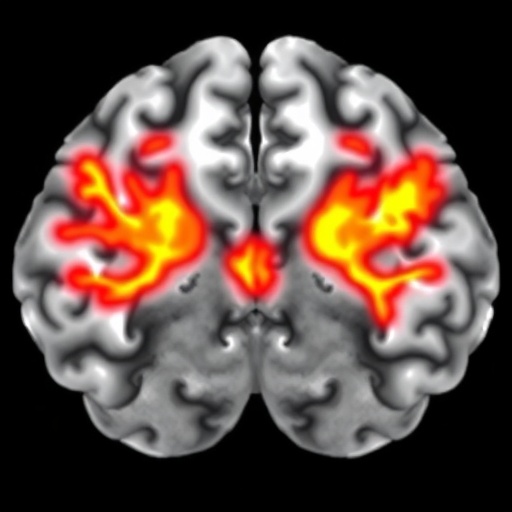
In a groundbreaking study recently published in Nature, researchers have uncovered critical insights into the mechanisms underpinning synapse loss and neuroinflammation in multiple sclerosis (MS). Traditionally viewed as a disease primarily targeting white matter, this new work reveals how focal white matter lesions can profoundly impact gray matter regions, driving synaptic degradation and sustained inflammatory responses. These findings mark a significant advance in understanding the pathophysiological cascade linking white matter damage to cortical dysfunction in neurodegenerative disorders and could reshape future therapeutic approaches.
Multiple sclerosis has long been characterized by focal demyelinating lesions predominantly affecting white matter tracts. However, emerging evidence indicates that gray matter pathology, including synaptic loss and microglia activation, plays a vital role in disease progression and clinical disability. Despite this, the mechanistic relationship between discrete white matter lesions and subsequent gray matter injury remained elusive. The current study addresses this knowledge gap by meticulously quantifying synaptic changes and neuroimmune activation following lesion induction within targeted neural circuits.
Utilizing sophisticated histological and immunohistochemical methods, the research team examined post-mortem human MS tissues alongside animal models designed to replicate focal white matter lesions. Their findings confirmed that excitatory synapses on Purkinje cells and inhibitory synapses projecting to the deep cerebellar nuclei remain structurally intact post-lesion. This selectivity underscores a complex circuit-specific vulnerability pattern rather than uniform synaptic degeneration across brain regions.
Of notable importance was the transient reduction in excitatory synapses on calbindin-expressing neurons within the inferior olive (IO) region. This synaptic loss occurred at 14 days post-lesion and intriguingly reversed by day 28, coinciding with the completion of remyelination processes. The transient nature suggests a potential window during which synaptic remodeling or recovery is feasible, raising the possibility for therapeutic intervention to harness this plasticity.
At the molecular level, the research highlights a critical role for complement component 1q (C1q) in facilitating synaptic engulfment by activated microglia. Accumulation of C1q was detected specifically at synaptic terminals within the inferior olive, linking complement activation tightly with immune-mediated synapse elimination. This involvement of the classical complement cascade adds a mechanistic layer to microglial synaptic pruning described in neurodevelopmental and neurodegenerative conditions.
Microglial morphology and functional status were assessed by examining lysosomal markers such as CD68, revealing an elevated fraction of microglia with enlarged lysosomes containing engulfed excitatory synaptic material. The spatial and temporal correlation between complement deposition and microglial phagocytic activation suggests a coordinated immune response driving synapse loss. The study’s inclusion of supplementary live imaging videos further strengthens the visual evidence of microglia-mediated synaptic clearance.
Importantly, the reversal of synapse loss after remyelination implies a dynamic interplay between myelin integrity and synaptic maintenance. Remyelination appears to mitigate inflammatory synaptic pruning, highlighting the protective effect of myelin repair on preserving neural circuit function. This interplay suggests that promoting remyelination therapeutically could indirectly prevent or reverse synaptic deficits commonly observed in MS.
The results from this research carry broader implications beyond MS. Similar patterns of synapse loss and complement-mediated microglial activation have been noted in neurodegenerative diseases such as Alzheimer’s dementia. Thus, the current findings provide a compelling argument for a shared pathological pathway involving immune-driven synaptic removal contributing to cognitive decline across different neurological disorders.
Technically, the study employed advanced quantitative microscopy alongside molecular profiling to dissect synaptic alterations with high specificity. The use of cell-type-specific markers such as calbindin allowed precise mapping of vulnerable neuronal populations within complex circuits. Additionally, time-course analyses provided valuable insights into the dynamics of lesion-induced changes and recovery, enriching our understanding of temporal windows for intervention.
Ultimately, this comprehensive characterization of the synaptic and inflammatory landscape following focal white matter lesions redefines the conceptual framework of MS pathology. By linking discrete white matter injury to remote gray matter synapse loss through complement-dependent microglial mechanisms, the researchers open exciting avenues for targeted immunomodulatory and neurorestorative therapies.
Future studies expanding on these findings are needed to elucidate how distinct microglial phenotypes contribute to synapse removal and whether modulating complement activity can prevent cortical atrophy and cognitive impairment. This study provides a compelling platform to explore novel biomarkers and therapeutic targets aimed at preserving synaptic integrity in demyelinating diseases.
As the scientific community continues to unravel the complex interactions between immune cells, myelin, and neurons, this investigative work stands as a landmark contribution. By identifying the nexus between white matter lesions and circuit-specific synaptic degeneration mediated by complement-activated microglia, it convincingly shifts the paradigm in MS research towards an integrative model of neuroimmune interplay and synaptic resilience.
The identification of complement pathways as pivotal mediators of synapse loss in MS offers hope for innovative drug development focused on complement inhibition or microglial modulation. Such advancements could transform clinical management by preserving neural networks crucial for motor and cognitive functions, ultimately improving patient outcomes.
In conclusion, this seminal study elucidates the mechanistic underpinnings linking focal white matter lesions to gray matter inflammation and synapse loss via complement-dependent microglial activity. These revelations not only deepen our comprehension of MS pathology but also highlight novel therapeutic targets engineered to safeguard synaptic health and promote neurological repair.
Cite Scienmag News
Cassandra Pierce. (April 23, 2026). Focal White Matter Lesions Trigger Grey Matter Inflammation. Scienmag. https://scienmag.com/focal-white-matter-lesions-trigger-grey-matter-inflammation/
Cassandra Pierce. "Focal White Matter Lesions Trigger Grey Matter Inflammation." Scienmag, 23 April 2026, https://scienmag.com/focal-white-matter-lesions-trigger-grey-matter-inflammation/. Accessed 4 September 2026.
Cassandra Pierce. "Focal White Matter Lesions Trigger Grey Matter Inflammation." Scienmag. April 23, 2026. https://scienmag.com/focal-white-matter-lesions-trigger-grey-matter-inflammation/


