


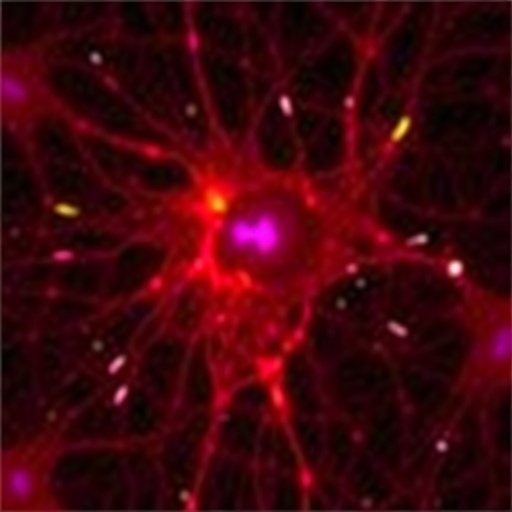
In a study published in Nature Neuroscience, researchers report that when brain tissue is damaged in a localized way, the astrocytes tasked with maintaining neural function can transiently disappear—and then return through a tightly orchestrated repopulation program. The findings reveal that this recovery is not merely a matter of cells moving back into place, but involves a striking molecular and cellular event: the translocation of astrocyte nuclei during lesion repair.
Astrocytes are abundant support cells in the central nervous system, coordinating synaptic environments, regulating inflammation, and shaping the extracellular milieu. Yet, after focal injury, astrocytes do not all behave the same. The new work focuses on a specific phase in which lesion borders lose astrocytic identity before repopulation begins, creating a temporary “gap” in local glial support.
Using advanced cellular imaging and lineage-sensitive approaches, the authors mapped astrocyte dynamics across the injury landscape. They observed a focal loss of astrocyte markers near the lesion, followed by a replacement wave in which astrocytic cells repopulate the damaged region. Importantly, they tracked nuclear movement—an intracellular maneuver that suggests astrocytes undergo a stress-linked reprogramming state rather than remaining static.
The study highlights nuclear translocation during repopulation, implying that key transcriptional regulators relocate toward the nucleus as astrocytes transition between injured and recovered phenotypes. This spatial nuclear shift may enable rapid changes in gene expression required for rebuilding local support functions, including regulation of metabolic support and modulation of inflammation-related signaling.
Technically, the researchers linked behavioral stages of repair to cell-level morphology and subcellular localization, bridging the gap between tissue-level recovery and molecular control. By aligning lesion timing with astrocyte presence and nuclear positioning, they provide a temporal framework for when and how astrocytes switch programs during repair.
The results also carry implications for how glial networks are restored after injury. Rather than assuming that astrocytes simply survive and expand, the data suggest a dynamic cycle: loss, displacement of cellular identity features, and re-entry marked by a nuclear reorganization step.
For readers following viral science news, the takeaway is clear: brain repair may depend on internal “command changes” inside astrocytes, visible at the level of where cell nuclei go during repopulation. Such insights could inform future strategies aimed at accelerating recovery by targeting the molecular pathways that coordinate nuclear translocation and astrocyte reintegration.
Cite Scienmag News
Cassandra Pierce. (July 26, 2026). Focal Astrocyte Loss Shows Nuclear Translocation During Lesion Repopulation. Scienmag. https://scienmag.com/focal-astrocyte-loss-shows-nuclear-translocation-during-lesion-repopulation/
Cassandra Pierce. "Focal Astrocyte Loss Shows Nuclear Translocation During Lesion Repopulation." Scienmag, 26 July 2026, https://scienmag.com/focal-astrocyte-loss-shows-nuclear-translocation-during-lesion-repopulation/. Accessed 3 September 2026.
Cassandra Pierce. "Focal Astrocyte Loss Shows Nuclear Translocation During Lesion Repopulation." Scienmag. July 26, 2026. https://scienmag.com/focal-astrocyte-loss-shows-nuclear-translocation-during-lesion-repopulation/


