


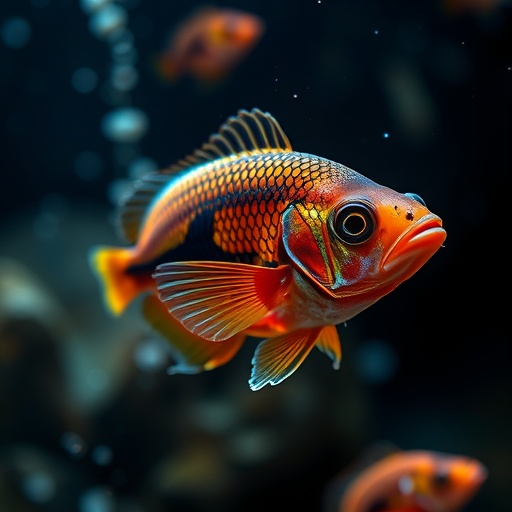
In a groundbreaking study that has significant implications for ecological health and biodiversity, researchers have unveiled the neurotoxic effects and osmoregulatory disbalance caused by the widely used insecticide fipronil on the Amazon fish species known scientifically as Colossoma macropomum. This species, often referred to as tambaqui, is not just a vital part of the Amazonian ecosystem but also an important source of food and income for local communities. The alarming revelations from this research shed light on the potential ramifications of agricultural practices on aquatic life and the environment.
Fipronil is a broad-spectrum insecticide commonly employed in agriculture for pest control. It acts by interfering with the normal functioning of the nervous system in insects, leading to paralysis and death. While its effectiveness against pests makes it a popular choice among farmers, its neurotoxic potential extends beyond target species, raising concerns about its impact on non-target organisms, including fish like Colossoma macropomum. The study’s authors, led by do Carmo da Silva and colleagues, meticulously investigated the degree of neurotoxicity associated with fipronil exposure in this critical aquatic species.
The research was conducted in a controlled environment where fish were exposed to varying concentrations of fipronil. Observations revealed that even low levels of exposure could lead to marked behavioral changes in tambaqui. These changes included altered swimming patterns, reduced foraging behavior, and increased susceptibility to stressors. Such disruptions indicate fundamental shifts in the fish’s neurobiological functions, prompting concerns over their survival and ecological roles, especially in a biodiverse ecosystem like the Amazon.
Moreover, the study meticulously examined the osmoregulation processes in the tambaqui. Osmoregulation is a crucial physiological function that helps aquatic organisms maintain the balance of salts and water in their bodies, ensuring their survival in varied aquatic environments. The findings indicated that fipronil disrupts these processes, leading to significant physiological stress. Fish exposed to fipronil exhibited signs of osmoregulatory disbalance, which could compromise their health and ability to thrive in their natural habitat.
The implications of these findings extend beyond Colossoma macropomum and ripple across the entire Amazon ecosystem. With the increasing use of pesticides and agricultural chemicals, the vulnerability of aquatic species cannot be overlooked. The study highlights the urgent need for comprehensive risk assessments that take into account not only the intended targets of such chemicals but also the broader ecological consequences they entail.
Given the profound ecological significance of Colossoma macropomum, the research findings underscore the importance of sustainable agricultural practices. As the Amazon rainforest faces mounting pressures from deforestation and agricultural expansion, it becomes crucial to assess the effectiveness of existing regulations concerning pesticide use. The need for a balanced approach that prioritizes both agricultural productivity and ecosystem health is imperative if we hope to mitigate the hazardous effects that such chemicals can have on aquatic life.
Community awareness and involvement in sustainable practices can play a pivotal role in addressing over-reliance on harmful pesticides. Local fishermen and communities that directly depend on tambaqui not only for their livelihoods but also as a source of protein must be educated about the potential dangers posed by fipronil and similar chemicals. This knowledge is crucial for fostering a culture of environmental stewardship, wherein community members actively participate in protecting aquatic ecosystems.
In addition to community engagement, the policy framework surrounding pesticide regulation needs substantial enhancement. Policymakers and environmental agencies must ensure stringent monitoring of chemical use in agricultural and aquacultural activities. Implementing integrated pest management strategies can significantly reduce the dependency on hazardous chemicals while promoting responsible agricultural practices that safeguard the health of freshwater ecosystems.
The study further reveals a scientific imperative to explore alternative pest control methods that can be employed without jeopardizing aquatic life. Biopesticides, which are derived from natural materials, offer a promising avenue worth investigating. Not only are they typically less harmful to non-target organisms, but they also align with eco-friendly farming practices that advocate for a harmonious coexistence with nature.
As stress on the Amazon continues to increase, the findings from this study serve as a clarion call to both the scientific community and policymakers alike. The neurotoxic effects and osmoregulatory disbalance induced by fipronil in the tambaqui provide a stark reminder of the intricate connections that characterize ecological systems. An understanding of these connections is crucial if we are to develop effective strategies for conserving biodiversity in the face of unprecedented environmental challenges.
The researchers have laid a foundation for further investigations into the long-term effects of pesticide exposure on freshwater species. The need for longitudinal studies that can monitor the gradual changes in behavior, physiology, and reproductive success of fish like Colossoma macropomum is vital to forming a comprehensive picture of the broader ecological implications of chemical pollutants.
In conclusion, the research spearheaded by do Carmo da Silva and team serves as an important contribution to our understanding of environmental toxicology and its ramifications on aquatic life. As reliance on chemicals in agricultural practices persists, the urgent need for sustainable practices becomes clearer. Continued investigation, open dialogue within communities, and robust policies are essential to avert further ecological damage. The active engagement of all stakeholders will undoubtedly determine the future health of aquatic ecosystems in the Amazon and beyond.
do Carmo da Silva, D., da Luz Silva, G.M., de Lima, L.B.D. et al. Neurotoxic effects and osmoregulatory disbalance caused by the insecticide fipronil in the Amazon fish, Colossoma macropomum. Environ Sci Pollut Res (2025). https://doi.org/10.1007/s11356-025-36919-x
Cite Scienmag News
Violet Maxwell. (September 3, 2025). Fipronil Poisoning Disrupts Amazon Fish Neurobiology and Osmoregulation. Scienmag. https://scienmag.com/fipronil-poisoning-disrupts-amazon-fish-neurobiology-and-osmoregulation/
Violet Maxwell. "Fipronil Poisoning Disrupts Amazon Fish Neurobiology and Osmoregulation." Scienmag, 3 September 2025, https://scienmag.com/fipronil-poisoning-disrupts-amazon-fish-neurobiology-and-osmoregulation/. Accessed 5 September 2026.
Violet Maxwell. "Fipronil Poisoning Disrupts Amazon Fish Neurobiology and Osmoregulation." Scienmag. September 3, 2025. https://scienmag.com/fipronil-poisoning-disrupts-amazon-fish-neurobiology-and-osmoregulation/


