


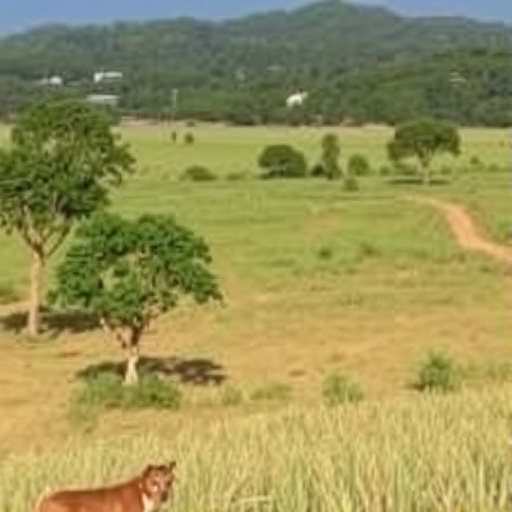
In the intricate tapestry of ecosystems, the Caatinga, a uniquely semi-arid region in Brazil, stands out not only for its diverse flora and fauna but also for its socio-economic significance. Recent research conducted by Gondim, Portela, and da Rocha Mendes sheds light on how land use practices and climatic seasonality influence the biological attributes of this distinctive biome, particularly within the context of family farming. This groundbreaking study emphasizes the delicate balance that exists between agricultural methodologies and the surrounding environment, revealing crucial insights that could inform sustainable farming practices in similar ecological zones.
Family farming in the Caatinga is characterized by a blend of traditional practices and modern agricultural techniques, reflecting a rich cultural heritage and a profound connection to the land. The study underscores how different land use strategies—ranging from extensive pasture grazing to agroforestry systems—affect the biological dynamics within these ecosystems. Notably, the findings reveal that farmers who adopt diversified farming systems can better harness the region’s biodiversity, leading to improved soil health and increased crop resilience against climatic variability.
Climate seasonality plays a pivotal role in this dynamic, as the Caatinga experiences a pronounced dry season followed by a brief but intense rainy period. The fluctuations in moisture availability significantly impact soil biological activity and plant growth, thereby shaping the agricultural output. The research highlights that during the dry periods, the competition for resources intensifies, leading to varying responses from different land use systems. Those employing sustainable practices tend to exhibit higher resilience, showcasing the potential benefits of aligning agricultural approaches with natural ecological rhythms.
The implications of this research extend far beyond the borders of Brazil. In many regions facing similar climatic challenges, understanding the intertwined relationships between land use, biological attributes, and climate can guide effective agricultural policies. As the world grapples with the realities of climate change, identifying resilient farming strategies becomes increasingly essential. The study advocates for an integrative approach, where the wisdom of traditional farming practices is combined with scientific innovation, paving the way for a more sustainable agricultural future.
Moreover, this work draws attention to the crucial role family farming plays in maintaining biodiversity. The researchers present compelling evidence that areas under family farming management show a richer assortment of species compared to those managed through monoculture practices. This biodiversity isn’t just a byproduct; it serves as a vital component of the ecosystem, offering essential services such as soil fertility, pest regulation, and pollination. The authors argue that preserving this biodiversity is not only necessary for ecological balance but also for ensuring food security in the face of growing global demand.
The results of Gondim et al.’s study are invaluable for policymakers tasked with developing strategies that promote sustainable agricultural practices. The research calls for initiatives that support family farmers in adopting biodiversity-friendly practices. This could include providing access to diverse seed varieties, enhancing soil management techniques, and promoting agroecological practices that align well with the local environment. The need for such interventions becomes all the more pressing as climate unpredictability looms in the background, threatening the very fabric of rural economies.
As the conversation surrounding sustainability and climate resilience continues to evolve, the findings from this study serve as a reminder of the importance of interdisciplinary approaches. Collaboration between ecologists, agronomists, and local agricultural communities will be essential in crafting solutions that are not only scientifically sound but also culturally relevant. The study’s emphasis on local knowledge and practices reinforces the notion that sustainable solutions often lie within the communities that have nurtured these ecosystems for generations.
This research further ignites an essential dialogue about the future of agriculture in dryland regions. It challenges the traditional notion of what constitutes “successful” farming, suggesting that success should not solely be measured by economic profit but rather by the health of the ecosystem and the wellbeing of the community. The findings have the potential to inspire a new generation of farmers who are not only producers of food but also stewards of the land.
In summary, the research conducted by Gondim, Portela, and da Rocha Mendes provides critical insights into the relationship between land use and ecological stability in the Caatinga region. Highlighting the importance of family farming in promoting biodiversity and resilience, the study advocates for sustainable agricultural practices that honor both the environment and traditional knowledge. As the world faces unprecedented environmental challenges, the lessons gleaned from this semi-arid landscape may well illuminate the path toward a more sustainable and productive agricultural future.
In conclusion, this pioneering research not only enriches our understanding of the intricate dynamics at play in the Caatinga but also serves as a clarion call for environmentally conscious agricultural practices worldwide. By embracing the principles of biodiversity and ecological balance, we can strive toward food systems that are sustainable, equitable, and resilient, thus ensuring a thriving planet for future generations.
Cite Scienmag News
Alan Morgan. (September 28, 2025). Farming Practices Shape Biology in Brazil’s Caatinga. Scienmag. https://scienmag.com/farming-practices-shape-biology-in-brazils-caatinga/
Alan Morgan. "Farming Practices Shape Biology in Brazil’s Caatinga." Scienmag, 28 September 2025, https://scienmag.com/farming-practices-shape-biology-in-brazils-caatinga/. Accessed 3 September 2026.
Alan Morgan. "Farming Practices Shape Biology in Brazil’s Caatinga." Scienmag. September 28, 2025. https://scienmag.com/farming-practices-shape-biology-in-brazils-caatinga/


