


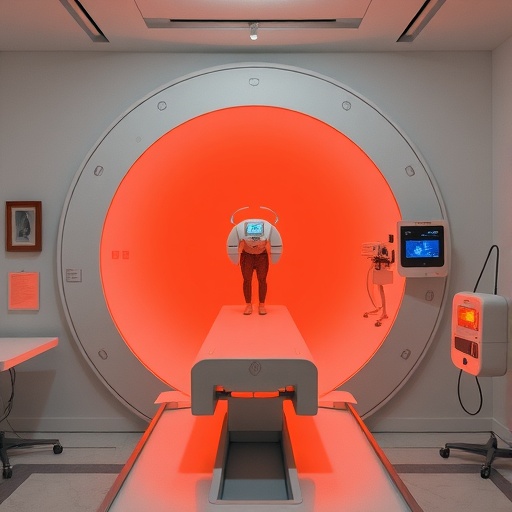
Radiation therapy remains a cornerstone in the treatment of various cancers, yet patient perceptions of this modality profoundly influence their acceptance and adherence to treatment protocols. Recently, a multidisciplinary team of researchers embarked on a novel exploration into how radiation therapy is depicted across diverse artistic forms, aiming to better understand the psychosocial dimensions framing patient attitudes and anxieties related to radiation.
The study published in the Journal of Medical Radiation Sciences undertook an extensive analysis of artistic representations of radiation therapy spanning novels, poetry, music, cinema, and visual arts. The researchers identified a recurrent thematic pattern: radiation is portrayed with intertwined connotations of fear, awe, enigma, and fascination. These depictions mirror the dual nature of radiation therapy as both a life-saving intervention and a potentially hazardous, mysterious force, reflecting societal ambivalence toward the technology.
From a technical perspective, radiation therapy involves the delivery of ionizing radiation to malignant tissues, allowing precise eradication of cancer cells while sparing healthy surrounding tissues. Modern techniques, such as intensity-modulated radiation therapy (IMRT) and stereotactic body radiotherapy (SBRT), utilize advanced imaging and computer-assisted planning to maximize therapeutic indices. Despite advances, the invisible nature of radiation and its complex biological effects contribute to public apprehension, often amplified by dramatized artistic narratives.
The cultural framing of radiation in art can influence patient psychological states by shaping expectations and fears prior to treatment. Recognizing this, the research team posits that understanding these narratives offers a gateway to better patient education and emotional support. The fusion of science with the humanities in this context offers an innovative approach to holistic cancer care, bridging the gap between clinical expertise and patient experience.
The authors argue that patients’ perception significantly impacts the efficacy and experience of radiotherapy. Mismatched expectations or heightened fear can compromise treatment adherence and increase stress, potentially impairing immune function and recovery. Integrating insights from arts-based representations into clinical discussions could enhance communication strategies, thereby improving therapeutic outcomes.
Moreover, for patients with moderate to severe psychological distress, the study explores the potential of arts-based interventions as adjunct therapies. Techniques such as bibliotherapy, expressive writing, drawing, and photovoice—the practice of using photography to tell stories—may serve as valuable tools in psychosocial oncology. These modalities can facilitate emotional expression, reduce isolation, and foster a sense of agency during the often arduous radiotherapy process.
This intersection between art and oncology underscores the evolving paradigm in cancer care, where emotional and psychological dimensions are increasingly recognized as critical elements of healing. Radiation therapy, while rooted in physics and biology, also carries a symbolic burden that resonates deeply with cultural narratives of illness and survival.
The researchers highlight that radiation’s depiction as simultaneously therapeutic and threatening reflects its physical characteristics: ionizing radiation causes DNA damage that kills tumor cells but may also induce secondary effects including inflammation or rare malignancies. This delicate balance is frequently dramatized in literature and film, contributing to public ambivalence and sometimes unwarranted fear.
Historically, radiation has been shrouded in mystery since its discovery in the late 19th century. Its invisible nature and association with nuclear technology have fueled imaginations, making it a compelling subject for artistic exploration. Films and novels often depict radiation as a source of mutation, death, or extraordinary power—narratives that can influence societal attitudes and patient fears even today.
The study calls for healthcare providers to consider these cultural and psychological factors when preparing patients for radiation therapy. Tailored communication that acknowledges patients’ fears and misconceptions can reduce anxiety and promote proactive coping. By leveraging insights from artistic depictions, practitioners may develop educational materials and counseling approaches that resonate more effectively with patients’ worldviews.
In summary, this pioneering research sheds light on an underexplored dimension of radiation therapy—the psychosocial influence of its portrayal in the arts. Through understanding and integrating these perspectives, clinicians can better align treatment delivery with patient needs, fostering improved adherence, reduced psychological burden, and enhanced quality of life.
As radiation oncology continues to advance technologically, appreciating the human experience surrounding its delivery remains essential. The synergy between medical science and the humanities offers a promising frontier to enrich patient care and demystify one of medicine’s most potent yet enigmatic treatments.
News Publication Date:
22-Oct-2025
Web References:
http://dx.doi.org/10.1002/jmrs.70026
Cite Scienmag News
Nathaniel Bowman. (October 22, 2025). Exploring the Representation of Radiation Therapy in Art. Scienmag. https://scienmag.com/exploring-the-representation-of-radiation-therapy-in-art/
Nathaniel Bowman. "Exploring the Representation of Radiation Therapy in Art." Scienmag, 22 October 2025, https://scienmag.com/exploring-the-representation-of-radiation-therapy-in-art/. Accessed 4 September 2026.
Nathaniel Bowman. "Exploring the Representation of Radiation Therapy in Art." Scienmag. October 22, 2025. https://scienmag.com/exploring-the-representation-of-radiation-therapy-in-art/


