


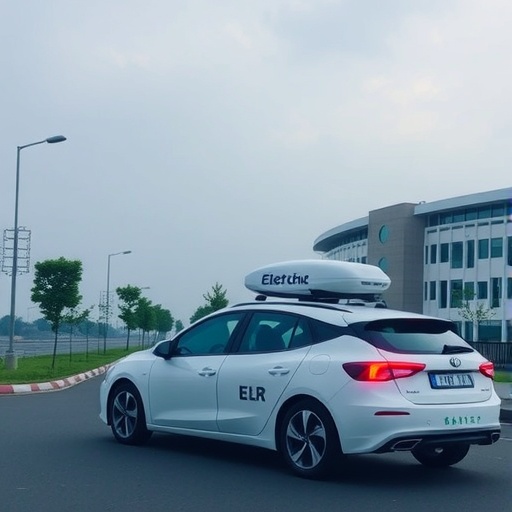
The rapid evolution of transportation technology has seen a marked interest in hybrid electric vehicles (HEVs), especially in emerging markets like Lahore, Pakistan. Farhan, Rana, and Baig’s recent study reveals the critical factors influencing the adoption of HEVs in this region, providing a comprehensive overview of consumer perceptions and the socio-economic circumstances surrounding electric mobility. This analysis not only highlights the local context but also mirrors global trends regarding sustainability and technological advancement in transportation.
As urban populations grow, cities are increasingly grappling with congestion and environmental degradation. Transport emissions are a significant contributor to air pollution, prompting governments and consumers to reconsider vehicular choices. HEVs, which combine traditional internal combustion engines with electric propulsion, have emerged as a compelling solution to these challenges. They promise reduced emissions, improved fuel efficiency, and a smoother driving experience, which aligns perfectly with the urgent need for cleaner transport alternatives in congested urban centers.
In Lahore, where traffic congestion is a daily reality, the push for greener vehicles has garnered attention from local policymakers and environmental advocates alike. The researchers’ focus on this city aims to unpack the local dynamics that drive or hinder HEV adoption, examining the interplay between economic, infrastructure, and sociocultural factors. Understanding how these elements affect consumer choices is crucial for designing interventions aimed at accelerating the transition to electric mobility.
One of the pivotal insights from the study pertains to consumer awareness and perception of HEVs. The researchers found that while there is a burgeoning interest in sustainable transportation, a significant portion of the population remains unaware of the benefits and functionalities of HEVs. This gap in knowledge leads to apprehension among potential buyers regarding the reliability and efficiency of these vehicles. Therefore, educational campaigns are essential in bridging this knowledge divide, emphasizing the long-term benefits of investing in hybrid technologies.
The economic implications of HEV adoption cannot be overstated. The study reveals that initial purchase costs, coupled with available financing options, play a crucial role in influencing consumer decisions. Although HEVs generally promise lower operational costs due to fuel efficiency, the upfront investment remains a barrier for many consumers in Lahore. Thus, facilitating access to subsidies or financial incentives could be instrumental in making HEVs more attractive to a broader demographic.
Additionally, the role of infrastructure, particularly charging stations, emerged as a critical variable in consumer adoption rates. The researchers highlighted the inadequate availability of charging facilities in Lahore, which serves as a deterrent for potential HEV buyers. The establishment of a reliable network of charging stations is vital not just for consumer confidence but also for supporting the overall ecosystem necessary for electric vehicles to thrive.
Moreover, the study emphasizes the importance of government policy in shaping the landscape for HEV adoption. Regulatory frameworks that promote sustainable mobility initiatives, including incentives for manufacturers and consumers alike, can create an environment conducive to the proliferation of hybrid technologies. Effective government intervention is necessary to catalyze change, aligning public interest with global sustainability goals.
As the world witnesses shifts towards greener technologies, Lahore stands at a crossroads. The insights garnered from Farhan, Rana, and Baig’s research suggest that market potential exists; yet, tapping into it requires a multi-faceted approach that includes education, financial incentives, improved infrastructure, and robust policy frameworks. The collective effort from consumers, businesses, and policymakers will ultimately determine the success of HEVs in Lahore.
In the context of public perception, it is vital to address misconceptions surrounding HEVs. Many consumers are still influenced by the traditional understanding of vehicular performance and may equate vehicle size or power with capability. This perception can be detrimental to the adoption of HEVs, which often offer a different set of advantages. Highlighting real-life success stories of HEV owners can be an effective strategy to change narratives and frame these vehicles positively in the eyes of potential customers.
Furthermore, the broader implications of HEV adoption are significant when considering societal well-being. Cleaner air and more efficient vehicles contribute to improved public health outcomes by reducing pollution-related diseases. The study paints a hopeful picture, suggesting that increased adoption can lead to not just environmental benefits but also economic gains through job creation in the expanding green technology sector.
To ensure that the transition to HEVs is equitable, the researchers advocate for inclusive policies that cater to diverse socioeconomic groups. This inclusivity plays a vital role in ensuring that all citizens, irrespective of income levels, can access the benefits of hybrid technology. Fostering an inclusive market ensures broader participation, driving innovation and competition in the sector.
In conclusion, the research conducted by Farhan, Rana, and Baig sheds light on the complexities of HEV adoption in Lahore. It serves as a clarion call to stakeholders across sectors to recognize the potential of hybrid vehicles as a pragmatic response to urban emissions and transport challenges. The momentum for change is palpable, but it requires concerted efforts from consumers, businesses, and government entities to realize the full potential of hybrid technology.
The journey towards adopting HEVs in Lahore is emblematic of a global shift towards sustainable transportation, representing a significant step forward in tackling issues related to urban mobility and environmental sustainability. By prioritizing education, improving infrastructure, and fostering supportive policies, Lahore could emerge as a model for other cities grappling with similar challenges in the quest for cleaner, smarter transportation solutions.
Cite Scienmag News
Courtney Benton. (November 20, 2025). Exploring Hybrid Electric Vehicle Adoption in Lahore. Scienmag. https://scienmag.com/exploring-hybrid-electric-vehicle-adoption-in-lahore/
Courtney Benton. "Exploring Hybrid Electric Vehicle Adoption in Lahore." Scienmag, 20 November 2025, https://scienmag.com/exploring-hybrid-electric-vehicle-adoption-in-lahore/. Accessed 8 September 2026.
Courtney Benton. "Exploring Hybrid Electric Vehicle Adoption in Lahore." Scienmag. November 20, 2025. https://scienmag.com/exploring-hybrid-electric-vehicle-adoption-in-lahore/


