


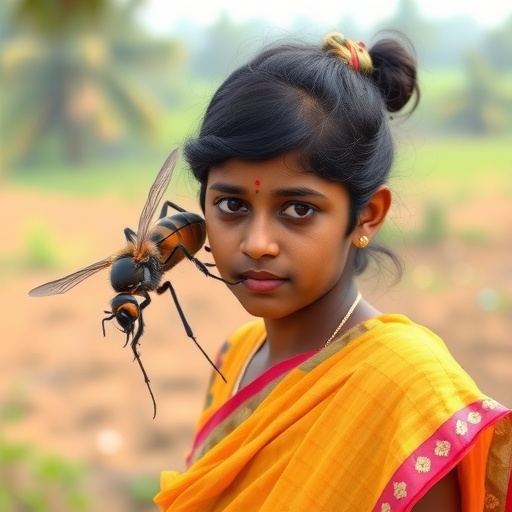
In recent years, vector-borne diseases have emerged as a major public health concern globally, particularly in developing countries like India. These diseases, which are transmitted through vectors such as mosquitoes and ticks, pose significant health risks to millions of people. A pivotal study conducted by researchers, including Yadav, Kumar, and Pandey, sheds light on the environmental and socio-demographic factors that contribute to the prevalence of vector-borne diseases in India. This exploration not only illuminates the complexities of disease transmission but also emphasizes the urgent need for integrated approaches to tackle these health threats.
Vector-borne diseases such as malaria, dengue, and chikungunya are influenced by a myriad of environmental and socio-demographic variables. Factors like climate change, urbanization, and population density play a critical role in shaping the habitats of the vectors responsible for these diseases. For instance, increasing temperatures and erratic rainfall patterns have been linked to higher incidence rates of mosquito-borne diseases. The research indicates that these environmental shifts could substantially alter the dynamics of vector populations, thereby leading to more disease outbreaks.
Moreover, socio-demographic elements such as healthcare access, literacy rates, and socioeconomic status significantly influence the vulnerability of populations to vector-borne diseases. Areas with limited access to healthcare facilities often experience higher rates of mortality and morbidity associated with these diseases. The study reveals that disadvantaged communities lack the resources for preventive measures, such as insecticide-treated nets and proper sanitation, exacerbating their risk exposure. Consequently, understanding how these factors intertwine can guide the development of more effective public health strategies.
Urbanization is another critical aspect discussed in the study. Rapid urban growth without adequate planning leads to overcrowded living conditions that favor vector breeding, notably in slums where sanitation facilities are poor. The high density of people along with stagnant water sources creates a perfect environment for vectors like Aedes mosquitoes, which thrive in such habitats. Therefore, urban planning that incorporates disease prevention strategies could significantly lower the incidence of vector-borne diseases.
The health disparities observed in rural versus urban populations further complicate the issue. Rural communities may face different challenges, with agricultural practices affecting local ecosystems and, in turn, the vectors. The study suggests that understanding these unique dynamics is crucial for developing localized strategies that address the specific needs of different regions. For example, rural areas may require education on safe agricultural practices that minimize vector habitats, while urban areas might need improved waste management systems.
Public awareness and education also play a significant role in mitigating vector-borne diseases. The study highlights the importance of community engagement in public health initiatives, emphasizing that informed populations are better equipped to implement preventive measures. Educational campaigns that raise awareness about how to prevent vector bites and maintain clean living environments can empower communities to take action. Collaborations between governments, non-governmental organizations, and local communities are vital in this regard.
Furthermore, the integration of technology in monitoring vector populations and disease outbreaks presents promising avenues for improving public health responses. The study advocates for leveraging data analytics and geographical information systems (GIS) to track environmental changes and vector density. These tools can provide real-time surveillance that informs public health decisions and resource allocation, optimizing responses to emerging threats.
In addressing the environmental aspect, the study discusses climate adaptation strategies that can help mitigate the risks of vector-borne diseases. Implementing sustainable practices that enhance ecosystem resilience serves a dual purpose: it not only protects health but also fosters biodiversity. Crucially, addressing climate change at local and national levels through policy and action is necessary to build long-term defenses against vector-borne diseases.
Overall, the insights gleaned from this research underscore the complexity of vector-borne disease transmission and the multifaceted approach needed to combat it effectively. By recognizing the interplay between environmental and socio-demographic factors, health policymakers can tailor interventions that respect local contexts and health disparities. This holistic understanding is vital for developing sustainable solutions that not only respond to current challenges but also anticipate future outbreaks.
Future research should prioritize longitudinal studies that can further delineate the relationships between climate variables, socio-demographic factors, and vector-borne disease incidence. Such studies would enrich our understanding and enable more effective forecasting model implementations. Ultimately, a concerted effort that involves various stakeholders, including scientists, public health officials, and community leaders, is essential for tackling the ever-evolving threat of vector-borne diseases and ensuring health equity for all.
In conclusion, as India continues to grapple with vector-borne diseases, the path forward lies in a comprehensive understanding of environmental and socio-demographic determinants. The study conducted by Yadav and colleagues presents a valuable framework for policymakers and researchers alike to delve deeper into this critical public health issue. As we navigate the complexities of global health, it becomes increasingly apparent that sustainable solutions will be rooted in our understanding of the intricate relationships between human behavior, the environment, and health.
Cite Scienmag News
Courtney Benton. (November 22, 2025). Exploring Factors Behind Vector-Borne Diseases in India. Scienmag. https://scienmag.com/exploring-factors-behind-vector-borne-diseases-in-india/
Courtney Benton. "Exploring Factors Behind Vector-Borne Diseases in India." Scienmag, 22 November 2025, https://scienmag.com/exploring-factors-behind-vector-borne-diseases-in-india/. Accessed 3 September 2026.
Courtney Benton. "Exploring Factors Behind Vector-Borne Diseases in India." Scienmag. November 22, 2025. https://scienmag.com/exploring-factors-behind-vector-borne-diseases-in-india/


