


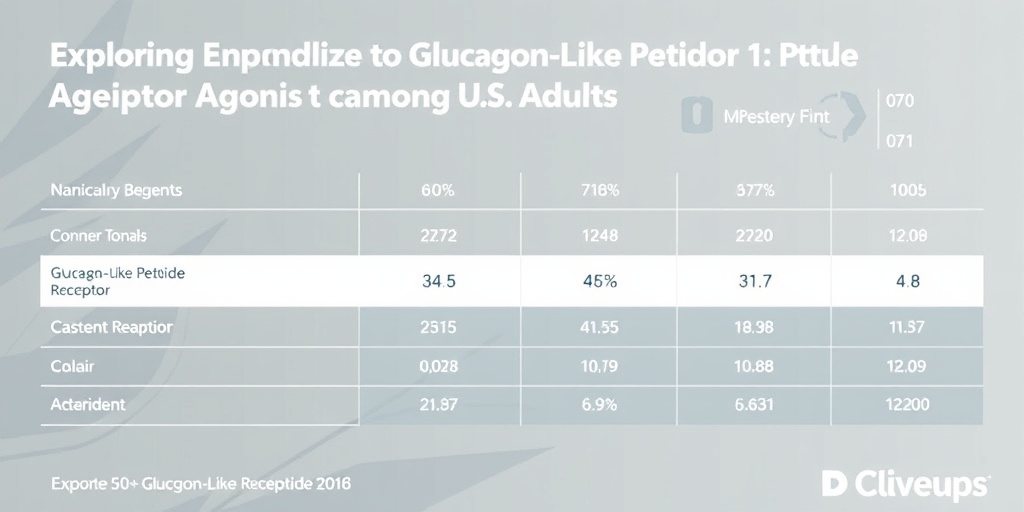
In recent years, there has been a significant surge in spending on glucagon-like peptide-1 receptor agonists (GLP-1 RAs), a class of medications commonly used in the management of type 2 diabetes and weight loss. An analysis of spending trends from 2018 to 2023 reveals noteworthy fluctuations and patterns, with the most dramatic increases occurring between 2022 and 2023. The rising financial commitment to these therapies, surpassing an astonishing $71 billion, signals a growing recognition of GLP-1 RAs as vital tools in treating metabolic disorders.
Amid this burgeoning market, there exists a dichotomy in spending trends among different GLP-1 RA products. While some medications have witnessed substantial spending growth, others have experienced a downturn. This discrepancy illustrates the complex dynamics at play in the pharmaceutical landscape, where newer compounds often outshine their predecessors, potentially influencing physician prescribing habits and patient access. The prominence of medications based on semaglutide and tirzepatide is a key aspect of this evolution, with over $50 billion invested in these particular molecules alone.
The rise of GLP-1 RAs is entrenched in the expanding awareness of obesity and its health implications, alongside an increasing incidence of type 2 diabetes. As the population grapples with these metabolic challenges, healthcare providers are urged to embrace the advantages of innovative therapeutics. In clinical practice, GLP-1 RAs demonstrate a unique mechanism of action that not only aids glycemic control but also promotes weight loss—a dual benefit that is exceptionally appealing for many patients struggling with obesity-related comorbidities.
Furthermore, the integration of GLP-1 RAs into treatment regimens provides an opportunity for comprehensive patient management. The pharmacological action of these agents involves stimulating insulin secretion in response to elevated glucose levels, suppressing glucagon release, and promoting satiety. This multifaceted approach enables healthcare professionals to tailor interventions and optimize outcomes, thereby reshaping therapeutic paradigms.
The financial implications of GLP-1 RA expenditures extend beyond individual patient outcomes; they also impact healthcare systems at large. As pharmacoeconomic analyses increasingly examine the return on investment of advanced therapies, the cost-effectiveness of GLP-1 RAs comes under scrutiny. While upfront costs may appear daunting, the potential long-term savings associated with reduced complications related to diabetes and obesity warrant thoughtful consideration.
As the market for GLP-1 RAs continues to mature, stakeholders must remain vigilant regarding the evolving landscape of drug pricing and reimbursement. The interplay between pharmaceutical companies, insurers, and patients will undoubtedly shape accessibility and affordability in the coming years. An ongoing dialogue addressing the balance between innovation, pricing, and patient access is imperative to ensure that these groundbreaking therapies remain within reach for those who need them most.
Equally important is the necessity for ongoing education and research surrounding the use of GLP-1 RAs. As the understanding of their effects on various populations expands, additional studies are warranted to elucidate long-term safety profiles, optimal dosing regimens, and comparative effectiveness. Clinicians must be equipped with the most recent data to make informed decisions in an ever-evolving treatment landscape.
The healthcare community is also called upon to advocate for policies that support research funding and equitable access to GLP-1 RAs. Engagement with policymakers, combined with grassroots efforts to raise awareness about metabolic diseases, will ultimately foster an environment where innovative treatments can thrive. Public outreach initiatives have the potential to enhance understanding of these conditions and promote early intervention strategies.
Moreover, the emergence of social media and digital platforms can aid in spreading awareness and educating the public about GLP-1 RAs. By harnessing the power of online engagement, healthcare professionals can disseminate crucial information on medication benefits, promote healthy lifestyles, and foster a supportive community for individuals grappling with obesity and diabetes.
In conclusion, the significant increase in spending on GLP-1 RAs reflects a pivotal moment in diabetes and obesity management. This class of drugs not only addresses critical health needs but also embodies the intersection of pharmaceutical advancement and public health imperatives. It is essential for healthcare providers, researchers, and policymakers to unite in the effort to maximize the benefits of GLP-1 RAs, ensuring that advancements in therapeutic options translate into improved patient outcomes across diverse populations.
The ongoing investment in GLP-1 RAs signifies a hopeful advancement in the fight against diabetes and obesity, highlighting the importance of innovative research, equitable access, and informed physician practice. As we stand at the precipice of new pharmacological discoveries, the commitment to transforming lives through GLP-1 RAs and other emerging treatments will be instrumental in shaping the future of metabolic health.
Cite Scienmag News
Drew Townsend. (April 2, 2025). Exploring Expenditures on Glucagon-Like Peptide-1 Receptor Agonists Among U.S. Adults. Scienmag. https://scienmag.com/exploring-expenditures-on-glucagon-like-peptide-1-receptor-agonists-among-u-s-adults/
Drew Townsend. "Exploring Expenditures on Glucagon-Like Peptide-1 Receptor Agonists Among U.S. Adults." Scienmag, 2 April 2025, https://scienmag.com/exploring-expenditures-on-glucagon-like-peptide-1-receptor-agonists-among-u-s-adults/. Accessed 4 September 2026.
Drew Townsend. "Exploring Expenditures on Glucagon-Like Peptide-1 Receptor Agonists Among U.S. Adults." Scienmag. April 2, 2025. https://scienmag.com/exploring-expenditures-on-glucagon-like-peptide-1-receptor-agonists-among-u-s-adults/


