


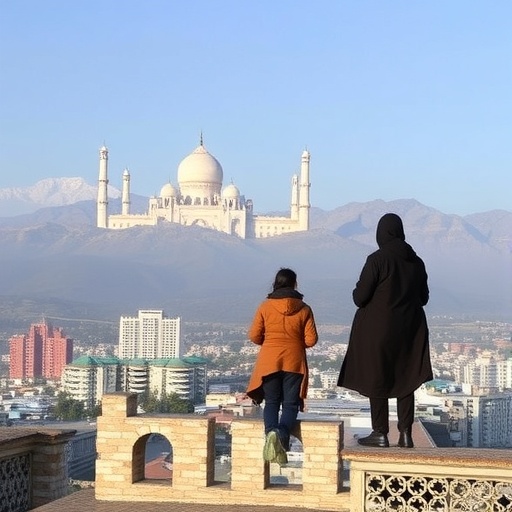
Emerging adulthood is a distinct developmental period characterized by significant life transitions and identity exploration. This phase, typically spanning the late teens to the mid-twenties, is marked by an openness to new experiences, self-discovery, and the gradual transition into adult roles such as career, family, and social responsibilities. A recently published study by researchers A. Numan, A. Muazzam, and J.J. Arnett delves into the dimensions of emerging adulthood in Pakistan, offering an in-depth demographic profile that sheds light on the unique cultural and social influences impacting this vital stage of life.
Set against the backdrop of Pakistan’s diverse cultural landscape, the study explores how traditional values intersect with modern influences. In many cases, emerging adults navigate a complex web of expectations stemming from family, society, and educational institutions. The researchers provide compelling evidence that the nuances of emerging adulthood are not only shaped by individual choices but influenced heavily by socio-economic conditions, gender roles, and familial obligations that can both empower and constrain individuals during this formative period.
The researchers conducted extensive surveys and interviews across different regions within Pakistan, highlighting the variations in experiences based on urban versus rural settings. For many young adults in urban areas, there is a clear influence of globalization, with access to technology and social media allowing for greater exposure to diverse lifestyles and ideologies. This access fosters a desire for autonomy and self-expression, contributing to a shift in traditional career paths and marriage expectations. Conversely, in rural communities, young adults may find themselves adhering to more conventional paths, where family and societal expectations weigh heavily on personal aspirations.
In addition to socio-economic factors, the study discusses gender dynamics in emerging adulthood. Gender roles in Pakistan have historically dictated specific life trajectories for men and women, often resulting in unequal opportunities for education and career advancement. The study identifies that emerging adult women are increasingly challenging these norms, striving for education and professional growth despite societal pressures. This seismic shift indicates a broader transformation within Pakistani culture, suggesting that emerging adulthood is not only a personal journey but also a collective movement towards gender equality.
The findings also indicate significant differences in the prevalence of mental health issues among emerging adults in Pakistan. The pressures associated with academic and career expectations, along with the weight of familial obligations, contribute to rising levels of anxiety and depression. The researchers advocate for increased mental health resources and support systems tailored to the unique experiences of young adults in this demographic, emphasizing the importance of addressing mental health as a critical component of successful navigation through emerging adulthood.
New approaches to education and work are discussed in the context of this transition period. With changing dynamics in the job market, young people need to be equipped with skills that not only cater to traditional sectors but also to emerging fields driven by technology and digital innovation. The study highlights the importance of educational reforms that align with these evolving job demands, encouraging programs that foster critical thinking, creativity, and adaptability among young adults.
Additionally, the research points to the role of community and peer support in shaping the emerging adult experience. Young individuals report seeking guidance and affirmation from peers who understand the challenges of balancing personal ambitions with familial expectations. This support network can create a sense of belonging, providing critical encouragement to pursue aspirations that may deviate from traditional paths. Furthermore, the significance of mentorship from older generations is underscored, with many young adults valuing the wisdom and experience shared by those who have successfully navigated similar challenges.
As the study progresses, it delves into the role of technology in the lives of emerging adults in Pakistan. The pervasive use of smartphones and social media platforms has revolutionized communication and access to information, fostering global connections that were previously unimaginable. The internet serves as a vast resource for personal development, education, and professional networking, bridging gaps between regional disparities and offering unprecedented opportunities for exploration and growth.
The interplay between cultural heritage and modernity is another critical theme of this research. Emerging adults in Pakistan often grapple with the expectation to uphold traditional values while simultaneously adapting to contemporary societal norms. This internal conflict can result in identity confusion, leading to a search for self that balances respect for cultural traditions with the pursuit of personal autonomy. These identity negotiations form a vital part of the emerging adulthood experience, informing decisions related to career, relationships, and lifestyle choices.
Ultimately, this comprehensive study offers valuable insights into the multidimensionality of emerging adulthood within Pakistan. By framing this stage as an intersection of social, economic, and cultural factors, the researchers lay the groundwork for further dialogue and action. Policymakers and community leaders are encouraged to consider the voices and experiences of young adults in shaping policies that foster supportive environments conducive to healthy development.
As the research reveals, providing support structures for emerging adults is essential not only for individual growth but for the future of Pakistan as a whole. As this generation seeks to redefine what adulthood means in their context, they hold the potential to shape a more progressive and inclusive society. The evolution of emerging adulthood in Pakistan reflects broader global trends, making these findings relevant not just within the local context, but in the international discourse surrounding youth development and transition.
The emerging adulthood experience in Pakistan offers a rich tapestry of stories and insights, revealing the profound impact of cultures in transition. The findings underscore the resilience of young adults as they navigate the complexities of their formative years, and the importance of recognizing and supporting their journeys. By understanding the dimensions of emerging adulthood in various cultural contexts, we move closer to fostering environments that celebrate diversity and promote personal growth.
In conclusion, the study by Numan, Muazzam, and Arnett serves as a pivotal contribution to the field of developmental psychology by illuminating the unique aspects of emerging adulthood in Pakistan. Their research not only enhances our understanding of this demographic but also calls for action to support emerging adults in realizing their full potential in a rapidly changing world.
Cite Scienmag News
Glenn Wilkins. (September 5, 2025). Exploring Emerging Adulthood in Pakistan: A Demographic Overview. Scienmag. https://scienmag.com/exploring-emerging-adulthood-in-pakistan-a-demographic-overview/
Glenn Wilkins. "Exploring Emerging Adulthood in Pakistan: A Demographic Overview." Scienmag, 5 September 2025, https://scienmag.com/exploring-emerging-adulthood-in-pakistan-a-demographic-overview/. Accessed 4 September 2026.
Glenn Wilkins. "Exploring Emerging Adulthood in Pakistan: A Demographic Overview." Scienmag. September 5, 2025. https://scienmag.com/exploring-emerging-adulthood-in-pakistan-a-demographic-overview/


